
15 Incredible Things to Do in Oman: The Ultimate Travel Guide
From emerald wadis hidden between towering mountains to golden deserts stretching beyond the horizon, Oman is a country that rewards curious travellers. Oman has preserved its natural beauty, rich heritage, and authentic way of life, offering visitors the chance to experience stunning landscapes, ancient traditions, and genuine Omani hospitality.
Whether you're planning a week-long road trip, a luxury beach escape, or an adventure through mountains and deserts, you'll quickly discover that Oman is far more diverse than most people expect. One day you could be hiking through a spectacular canyon, the next snorkelling among colourful coral reefs, exploring centuries-old forts, or watching sea turtles nest beneath a star-filled sky.
This guide highlights 15 of the best things to do in Oman, combining iconic landmarks with unforgettable experiences that showcase the country's incredible variety.
1. Swim Through the Turquoise Pools of Wadi Shab
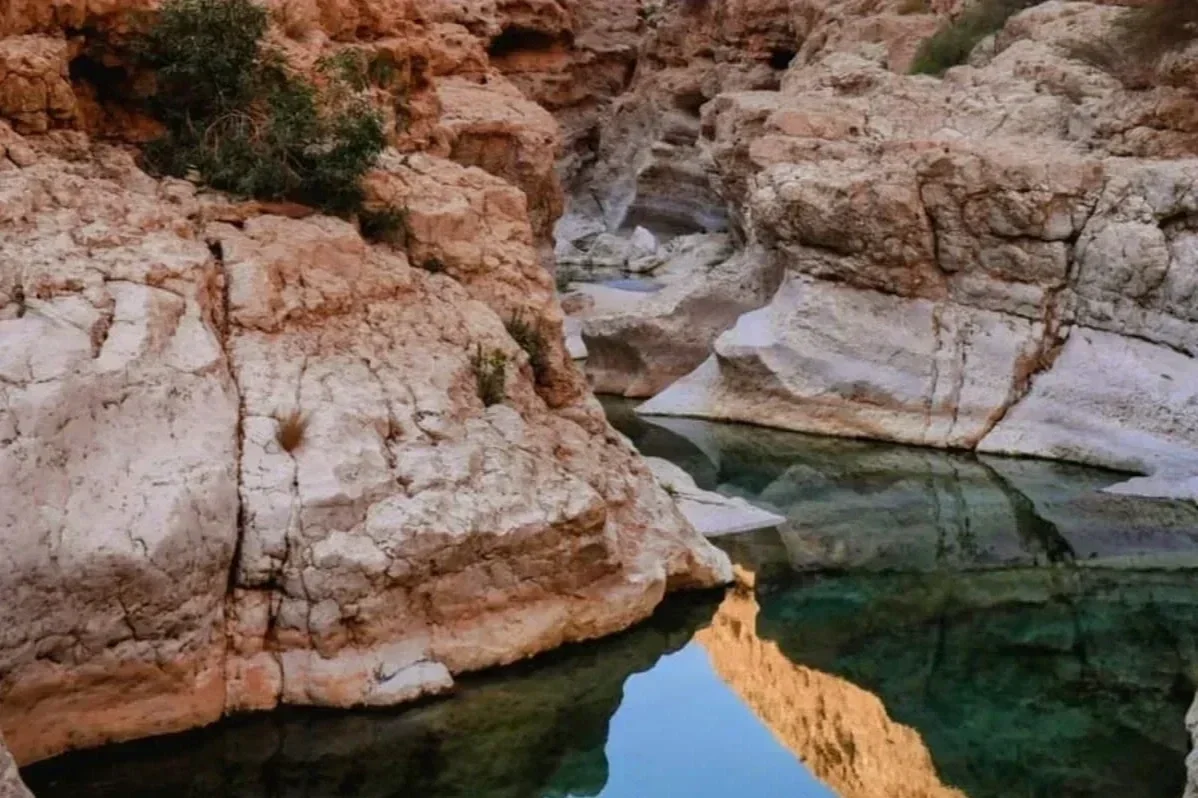
Few places capture Oman's natural beauty quite like Wadi Shab, one of the country's most famous outdoor attractions. Located around two hours south of Muscat along the scenic coastal highway to Sur, this spectacular canyon is known for its crystal-clear freshwater pools, towering limestone cliffs, lush palm groves, and hidden waterfalls.
The adventure begins with a short boat ride across the river before following a hiking trail through the wadi. The walk takes approximately 45 minutes each way and is considered moderately easy, although sturdy footwear is recommended as parts of the trail are rocky and uneven.
As you continue deeper into the canyon, you'll encounter a series of natural pools perfect for cooling off after the hike. The true highlight lies at the very end of the route. Visitors can swim through a narrow opening in the rocks to reach a hidden cave where a beautiful waterfall cascades into a secluded pool—one of the most photographed spots in Oman.
The surrounding scenery changes throughout the walk, from towering canyon walls and flowing streams to shaded areas lined with date palms, making the journey just as rewarding as the destination.
Visitor Information:
Location: Approximately 2 hours from Muscat.
Time needed: 3–4 hours.
Difficulty: Easy to moderate.
Best time to visit: October to April, or early morning during summer.
Facilities: Parking, cafés, toilets and boat crossing available near the entrance.
Travel Tips
Bring water shoes, a waterproof bag for your valuables, plenty of drinking water, and swimwear. Arriving before 9:00 am allows you to enjoy the pools before larger tour groups arrive.
2. Discover the Grand Canyon of Arabia at Jebel Shams
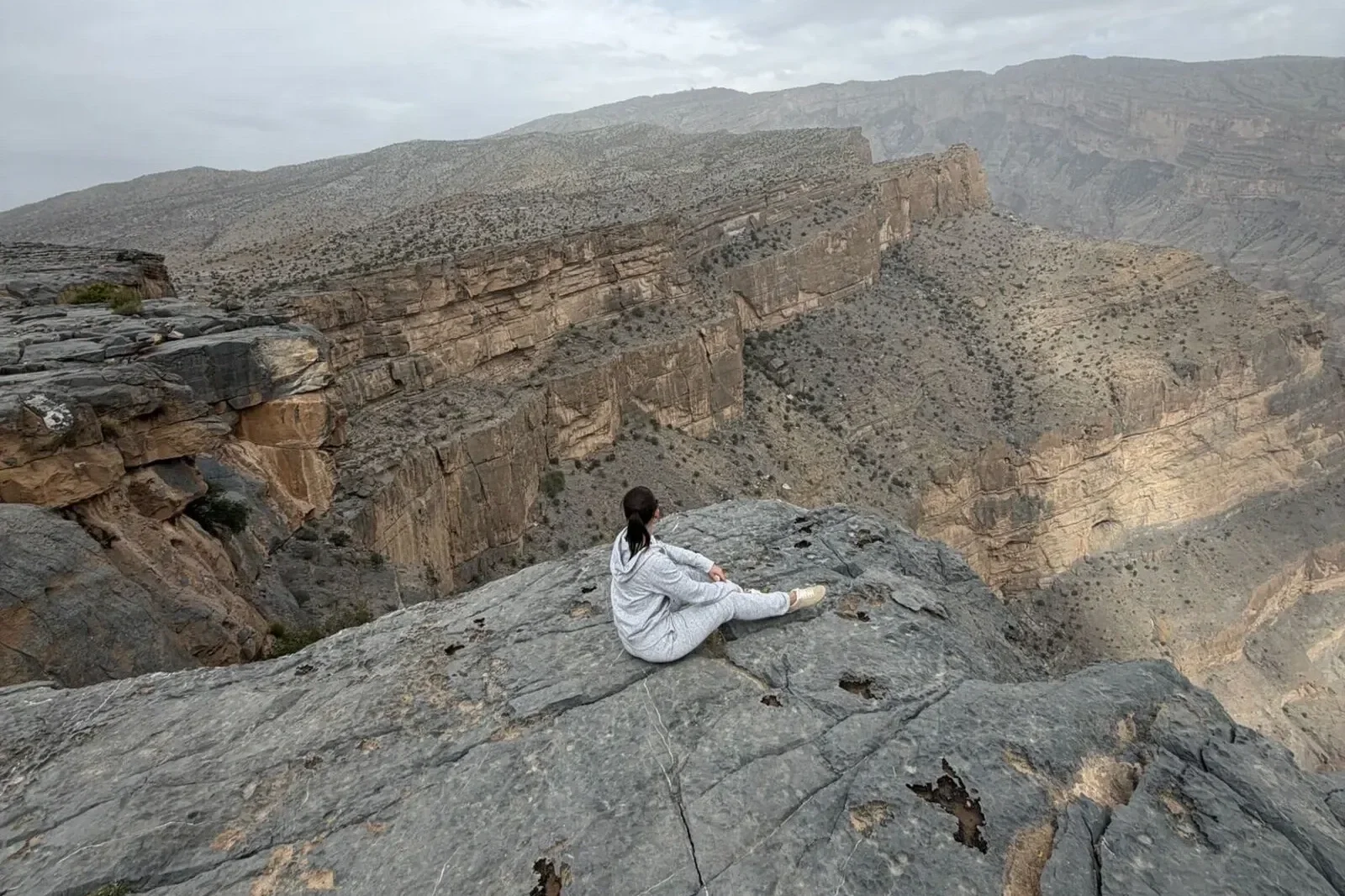
Standing at more than 3,000 metres above sea level, Jebel Shams is the highest mountain in Oman and one of the country's premier destinations for hiking, camping, and breathtaking scenery. Its name translates to Mountain of the Sun, reflecting the spectacular sunrises and sunsets that illuminate the rugged landscape.
The mountain overlooks Wadi Ghul, an enormous canyon carved over millions of years that is often referred to as the Grand Canyon of Arabia. Standing at one of the viewpoints, you'll be treated to dramatic panoramas of sheer cliffs dropping hundreds of metres into the valley below.
The area's most popular activity is the Balcony Walk, a scenic hiking trail that follows the edge of the canyon. Lasting around three to four hours return, the hike passes abandoned stone villages, impressive rock formations, and countless viewpoints that make it one of Oman's most rewarding outdoor adventures.
Jebel Shams is also one of the few places in Oman where temperatures remain pleasantly cool during summer. Winter evenings can become surprisingly cold, making it an excellent destination for camping beneath clear, star-filled skies.
Visitor Information
Location: Around 3 hours from Muscat via Nizwa.
Time needed: Half day to full day.
Best time to visit: October to April.
Suitable for: Hiking, photography, camping and scenic drives.
Travel Tip
A 4WD is recommended for mountain roads if you plan to explore beyond the main tourist areas. Pack warm clothing if visiting during winter.
3. Step Back in Time at Nizwa Fort and Souq
One of the oldest cities in Oman, Nizwa was once the country's capital and remains its cultural heart. Surrounded by date plantations and backed by the breathtaking Al Hajar Mountains, the city offers visitors a fascinating glimpse into Oman's rich history and traditions.
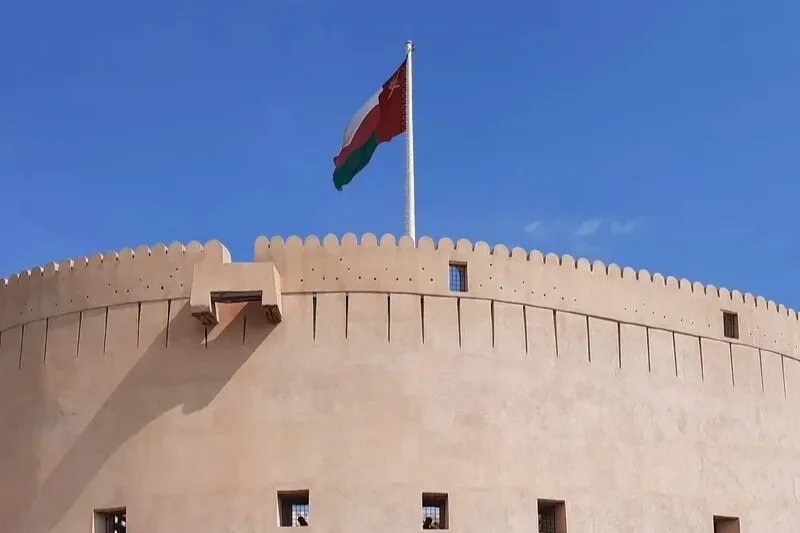
At the centre of the old town stands Nizwa Fort, an impressive 17th-century fortress famous for its enormous circular tower. Inside, you'll find winding staircases, hidden chambers, defensive features, exhibitions, and panoramic views across the city from the rooftop.
Just outside the fort lies Nizwa Souq, one of the most authentic traditional markets in Oman. Wander through its covered walkways and browse stalls selling silver jewellery, pottery, woven baskets, spices, frankincense, dates, traditional daggers (khanjars), and handcrafted souvenirs made by local artisans.
If you're visiting on a Friday morning, don't miss the famous Nizwa Goat Market, where local farmers gather to buy and sell livestock in a tradition that has continued for generations. Watching the lively auction provides a fascinating insight into rural Omani life.
Visitor Information
Location: Around 1 hour 45 minutes from Muscat.
Time needed: Half day.
Best time to visit: Early morning or late afternoon.
Friday mornings: Goat Market takes place before the weather becomes too hot.
Travel Tip
Purchase locally produced dates and Omani halwa from the souq—they make excellent gifts and offer an authentic taste of Oman.
4. Spend a Night Beneath the Stars in Wahiba Sands

Covering more than 12,000 square kilometres, Wahiba Sands—also known as the Sharqiyah Sands—is one of Oman's most spectacular desert landscapes. Towering dunes, some reaching over 100 metres high, create an ever-changing sea of golden sand that stretches to the horizon.
A visit to the desert offers far more than beautiful scenery. Many travellers choose to stay overnight in a traditional Bedouin-style camp or a luxury desert resort, where they can experience Omani hospitality while enjoying the peaceful silence of the desert.
Popular activities include dune bashing in a 4WD, camel riding, sandboarding, quad biking, and watching unforgettable sunsets from the top of the dunes. As night falls, the desert becomes one of the best places in Oman for stargazing thanks to its exceptionally low levels of light pollution.
Many camps also offer traditional dinners, cultural performances, and opportunities to learn about Bedouin customs and desert life.
Visitor Information
Location: Approximately 2.5 hours from Muscat.
Time needed: Overnight stay recommended.
Best time to visit: October to March.
Access: 4WD required for desert access.
Travel Tip
Temperatures drop significantly after sunset during winter, so bring a light jacket even if daytime temperatures are warm.
5. Explore the Highlights of Muscat
Oman's capital city offers the perfect introduction to the country, blending centuries of history with modern elegance. Unlike many regional capitals dominated by skyscrapers, Muscat has carefully preserved its traditional architecture, creating a city that feels both sophisticated and welcoming.
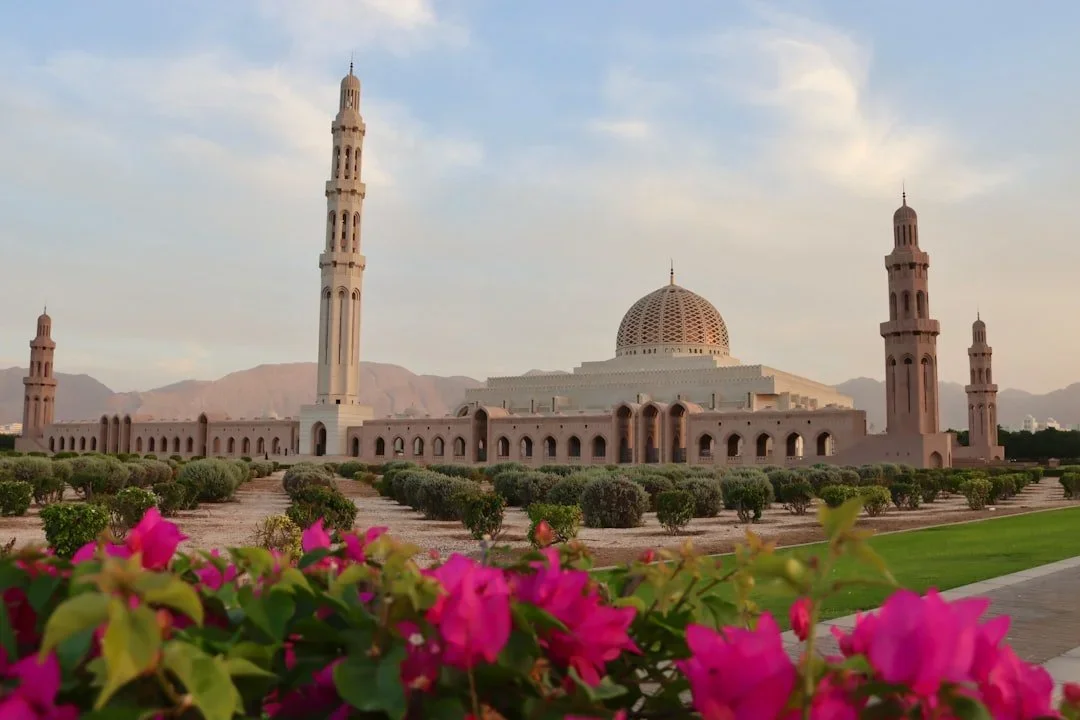
Begin your visit at the magnificent Sultan Qaboos Grand Mosque, one of the largest and most beautiful mosques in the Middle East. Its intricate chandeliers, handcrafted carpets, marble courtyards, and elegant Islamic architecture make it a must-see for every visitor.
From there, head to the scenic Muttrah Corniche, where fishing boats line the harbour and cafés overlook the Gulf of Oman. Nearby, Muttrah Souq offers a maze of narrow alleyways filled with spices, silver, frankincense, perfumes, textiles, and traditional handicrafts.
Art lovers should also visit the Royal Opera House Muscat, an architectural masterpiece that hosts international performances. Continue your exploration with a stop at the Al Alam Palace, the ceremonial palace of the Sultan, flanked by the historic Portuguese forts of Al Jalali and Al Mirani.
Visitor Information
Recommended stay: 1–2 days.
Best time to visit: October to April.
Getting around: Renting a car is the easiest option, although taxis and ride-hailing services are widely available.
Travel Tip
Many attractions are less crowded early in the morning.
6. Cruise Through the Spectacular Fjords of Musandam
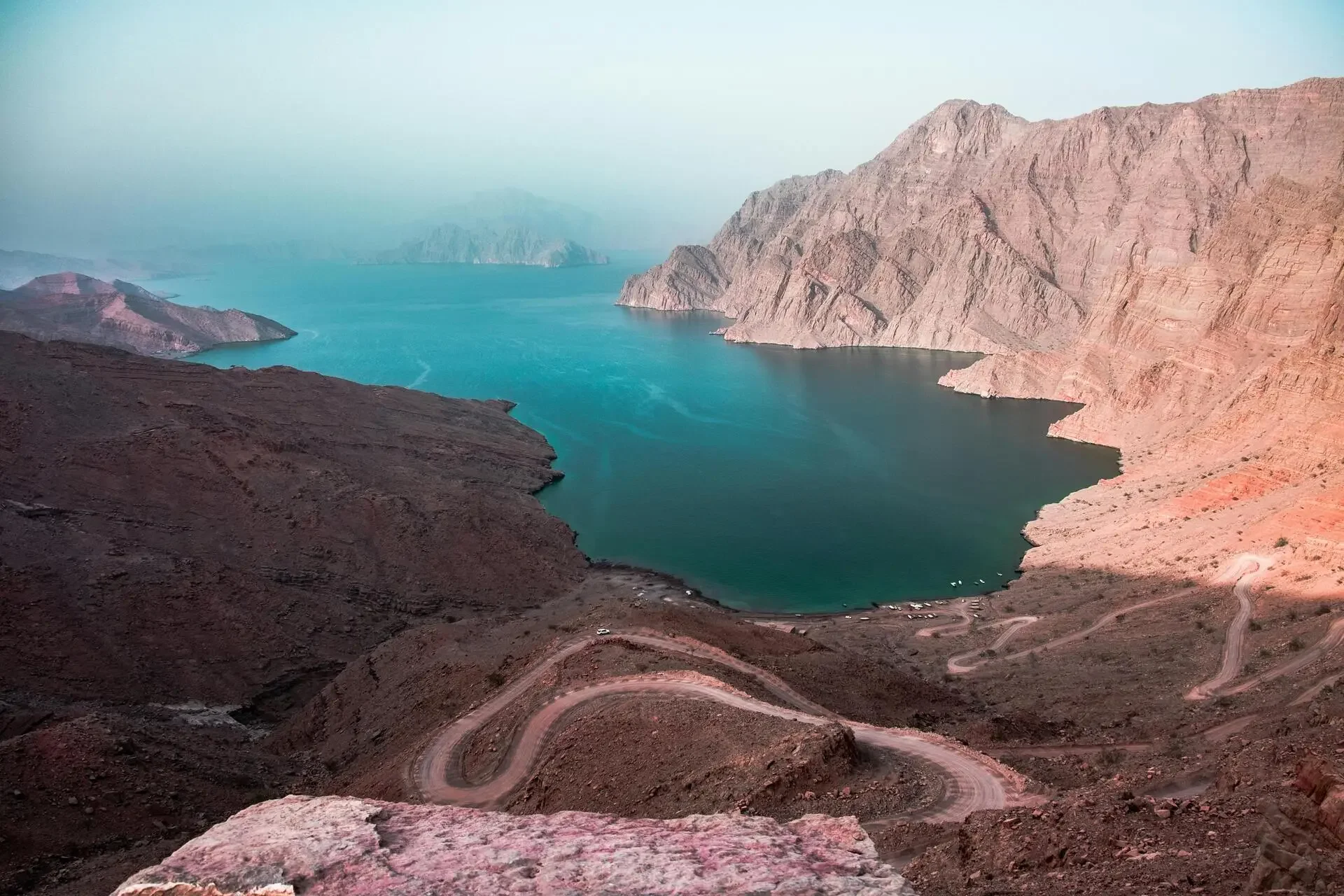
Separated from the rest of Oman by the UAE, the Musandam Peninsula is one of the country's most extraordinary destinations. Often referred to as the "Norway of Arabia," this remote region is famous for its majestic fjords, towering limestone cliffs, secluded bays, and crystal-clear waters.
The best way to experience Musandam is on a traditional wooden dhow cruise. These leisurely boat trips sail through the peninsula's peaceful inlets, stopping at hidden coves where visitors can swim, snorkel, kayak, or simply relax while taking in the breathtaking scenery. The calm waters are home to bottlenose and humpback dolphins, and sightings are common throughout the year.
The underwater world is equally impressive. Coral reefs, colourful fish, sea turtles, and rays thrive in the protected waters, making Musandam a popular destination for snorkelling and diving. Some cruises also include visits to small fishing villages that are accessible only by boat, offering a glimpse into a slower pace of life that has changed little over the years.
The journey to Musandam is an adventure in itself, with winding coastal roads revealing spectacular views of rugged mountains meeting the sea.
Visitor Information
Location: Northern Oman (Musandam Governorate).
Time needed: Full day or overnight stay.
Best time to visit: October to April.
Activities: Dhow cruises, dolphin watching, snorkelling, kayaking and diving.
Travel Tip
If travelling to Musandam by road through the UAE, check the latest border crossing requirements before your trip. Alternatively, domestic flights connect Muscat with Khasab, the region's main town.
7. Snorkel or Dive in the Daymaniyat Islands Nature Reserve
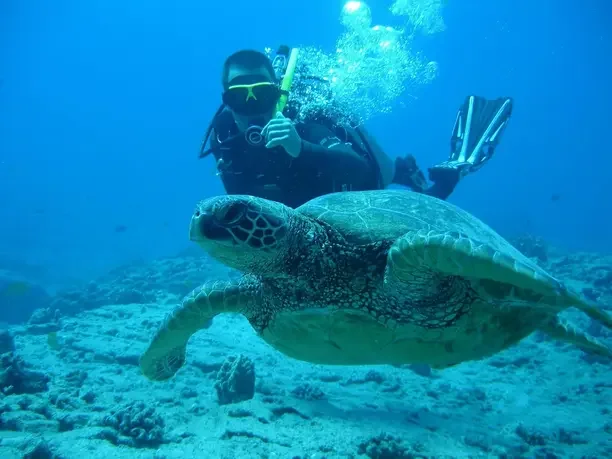
Just off the coast of Muscat lies one of the Middle East's most remarkable marine sanctuaries. The Daymaniyat Islands Nature Reserve is a protected archipelago of nine small islands surrounded by vibrant coral reefs, turquoise waters, and an abundance of marine life.
Often described as Oman's premier diving destination, the reserve offers excellent visibility for much of the year, making it suitable for both experienced divers and first-time snorkellers. Beneath the surface, you'll discover colourful coral gardens teeming with tropical fish, moray eels, rays, reef sharks, octopus, and sea turtles.
Between June and September, visitors may even encounter majestic whale sharks, the world's largest fish, which migrate through Omani waters to feed on plankton. Although sightings can never be guaranteed, this seasonal phenomenon attracts divers and wildlife enthusiasts from around the world.
The islands themselves are protected nesting grounds for seabirds and turtles, so visitor numbers are carefully managed to help preserve this unique ecosystem.
Visitor Information
Location: Approximately 40 minutes by boat from Muscat.
Time needed: Half-day or full-day excursion.
Best time to visit: October to May for diving; whale shark season typically occurs during summer.
Activities: Snorkelling, scuba diving, wildlife watching and boat trips.
Travel Tip
Book your excursion with a licensed operator, as access to the reserve is regulated. Most tours provide snorkelling equipment, refreshments, and experienced guides.
8. Explore Oman's Magnificent Forts and Castles
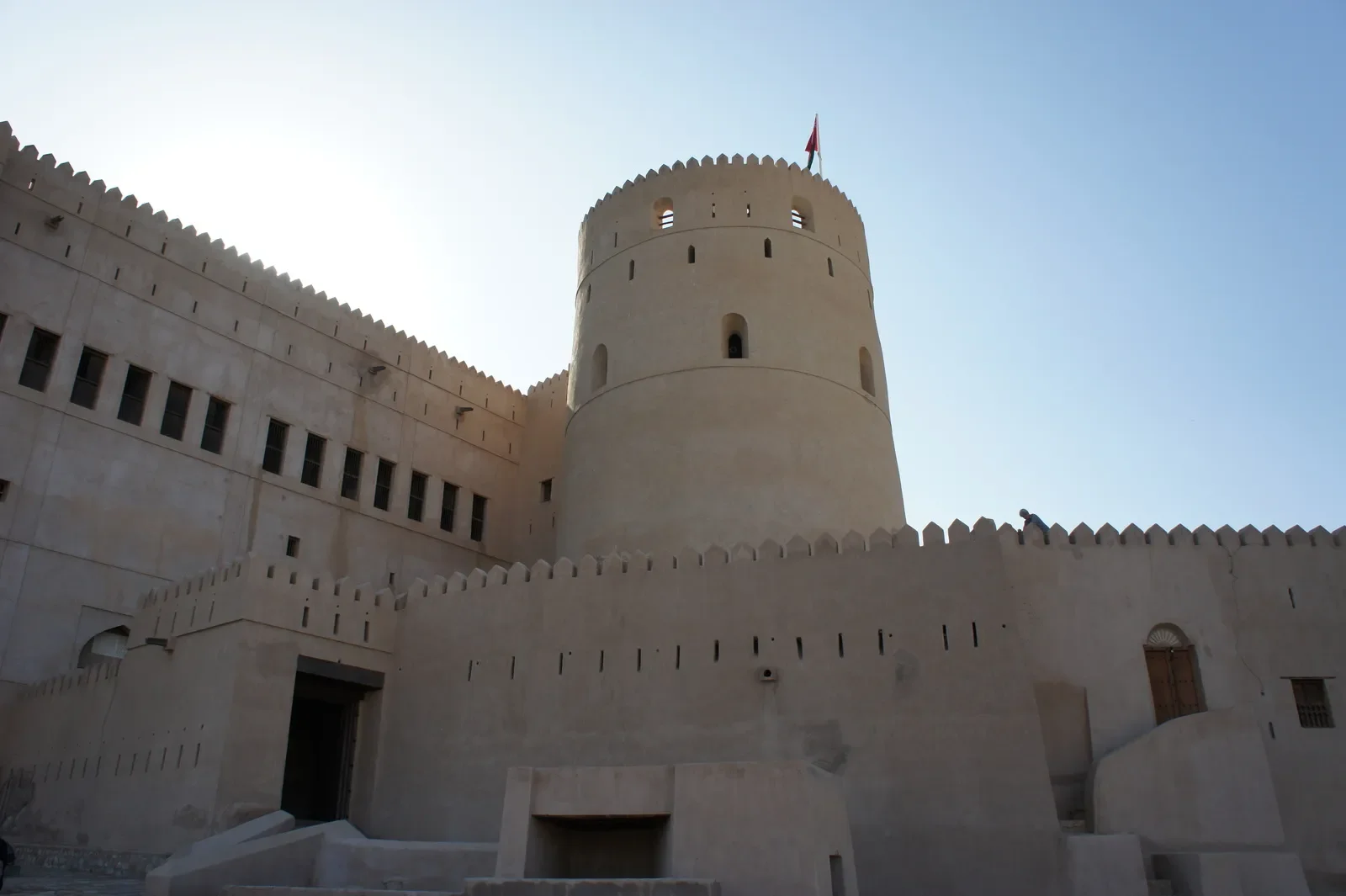
Rustaq Fort
Oman's rich history as a centre of trade and maritime power is reflected in the hundreds of forts and castles scattered across the country. Built to protect important towns, mountain passes, and trading routes, these impressive structures now offer fascinating insights into Omani history, architecture, and daily life.
One of the most iconic is Nizwa Fort, renowned for its enormous circular tower and ingenious defensive features. Nearby, Jabreen Castle is considered one of Oman's finest examples of Islamic architecture, with beautifully painted ceilings, carved wooden doors, hidden passageways, and elegant courtyards.
The UNESCO-listed Bahla Fort is among the oldest and largest forts in Oman. Dating back over 700 years, it stands as a remarkable example of medieval Islamic military architecture. Other notable sites include Nakhal Fort, dramatically perched on a rocky hill overlooking date plantations, and Rustaq Fort, one of the country's largest historic fortifications.
Visiting several forts provides a deeper understanding of Oman's strategic importance throughout history and showcases the remarkable craftsmanship that has been preserved for generations.
Visitor Information
Time needed: 1–2 hours per fort.
Best time to visit: Morning or late afternoon.
Suitable for: History enthusiasts, families and photographers.
Travel Tip
Many forts are located close to traditional villages, date plantations, and mountain roads, making them easy to combine into a scenic day trip.
9. Witness Sea Turtles Nesting at Ras Al Jinz
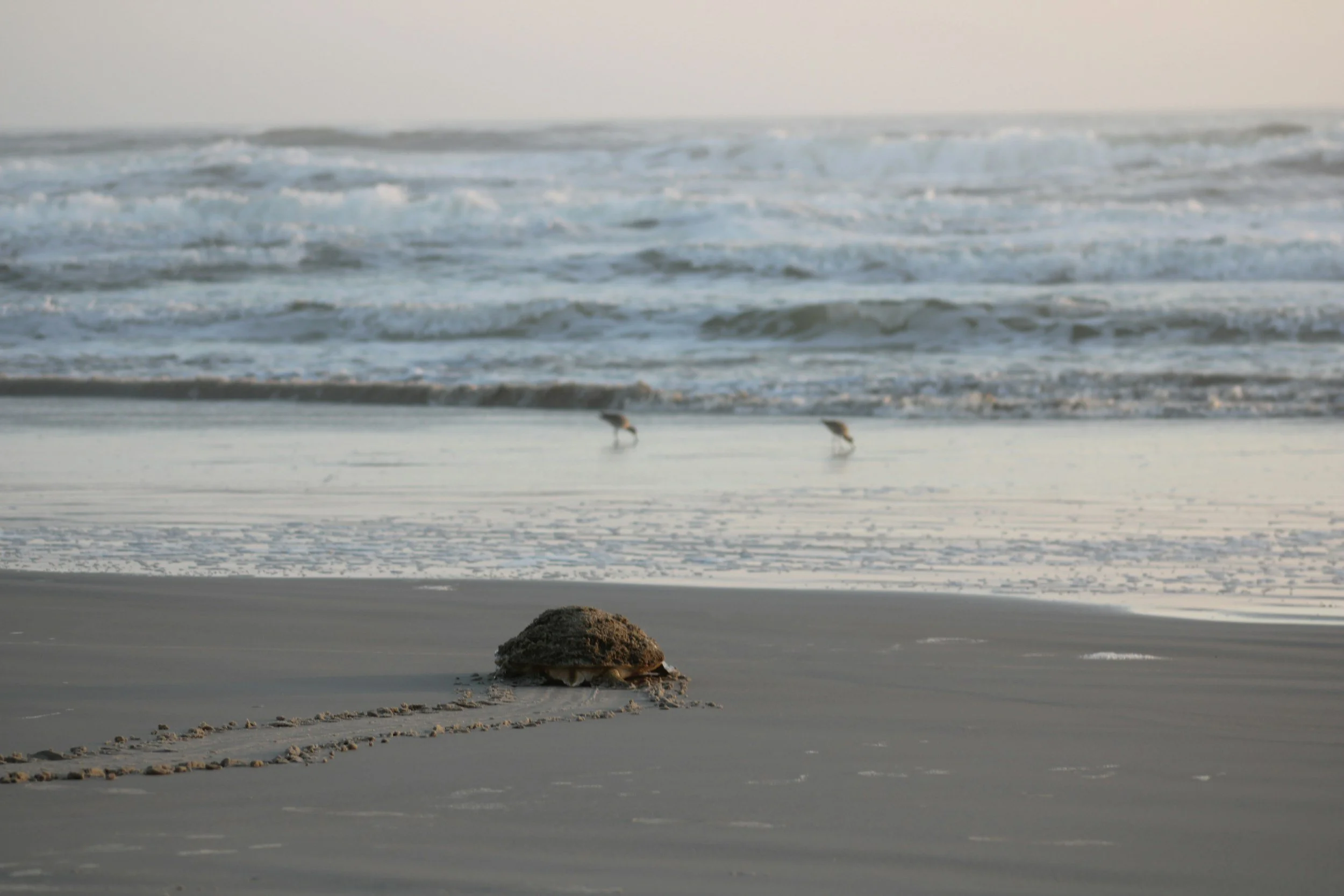
Watching a sea turtle emerge from the ocean under the cover of darkness is one of Oman's most unforgettable wildlife experiences.
Located on the eastern tip of the Arabian Peninsula, Ras Al Jinz Turtle Reserve is one of the world's most important nesting sites for endangered green turtles. Every year, thousands of females return to the same beaches where they were born to lay their eggs, continuing a natural cycle that has existed for millions of years.
Visitors join guided tours led by trained conservation specialists, who explain the turtles' life cycle and the efforts being made to protect them. During nesting season, you may witness turtles digging nests, laying eggs, or returning to the sea. At certain times of the year, you may also see hatchlings making their remarkable journey from the sand to the ocean.
Strict visitor regulations help minimise disturbance to the animals, ensuring this extraordinary spectacle can be enjoyed responsibly.
Visitor Information
Location: Around three hours from Muscat, near Sur.
Time needed: Evening or early morning guided tour.
Best time to visit: Turtle activity occurs year-round, although sightings vary with the season.
Photography: Flash photography is not permitted.
Travel Tip
Stay overnight at Ras Al Jinz or nearby Sur to maximise your chances of joining both evening and sunrise turtle tours.
10. Wander Through the Historic Alleys of Muttrah Souq
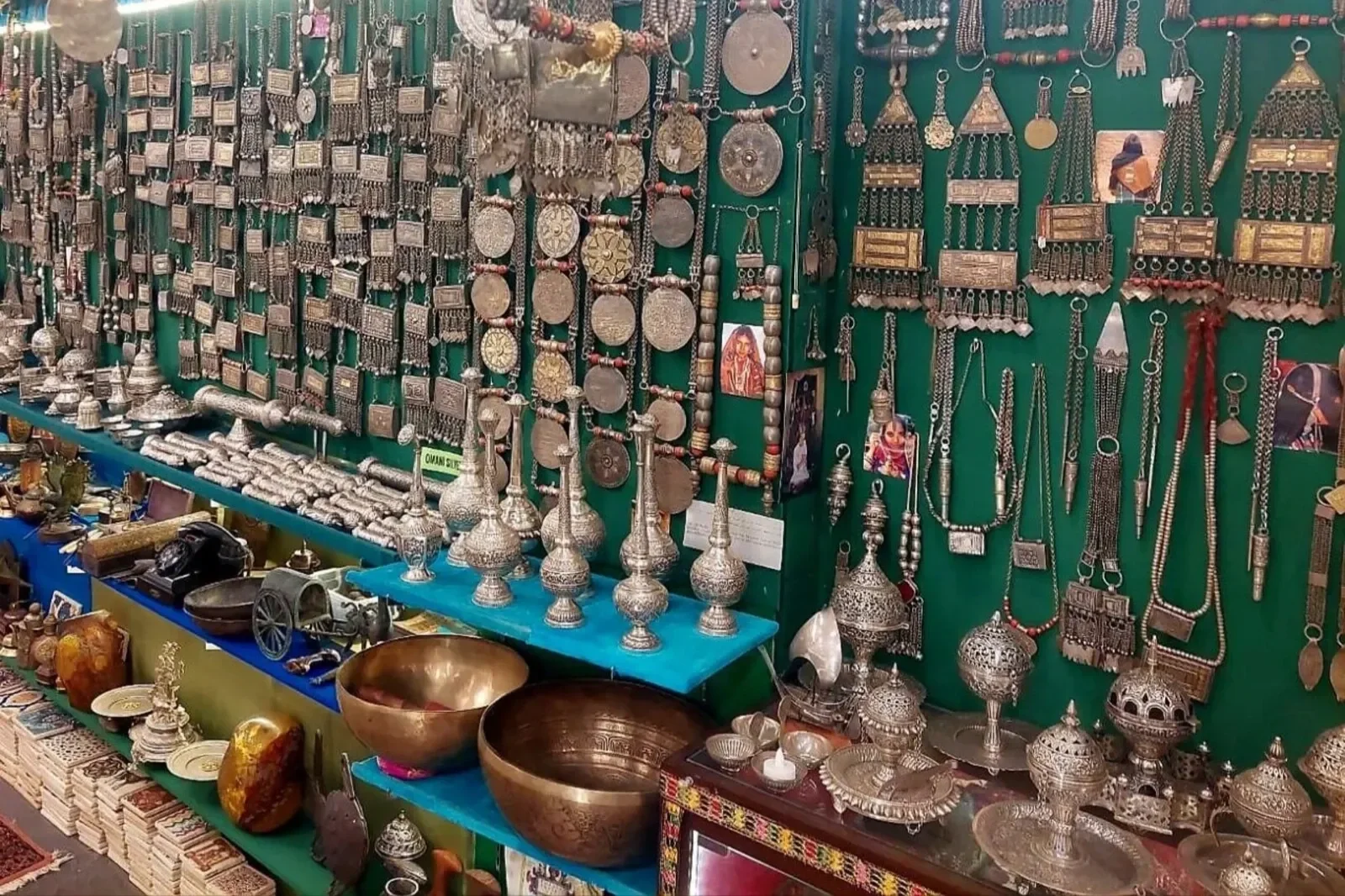
Few places capture the atmosphere of traditional Oman quite like Muttrah Souq. Located beside Muscat's picturesque harbour, this historic marketplace has served traders and merchants for centuries, welcoming ships carrying goods from India, East Africa, Persia, and beyond.
Today, the souq remains one of the best places to experience Omani culture. Its maze of narrow covered alleyways is filled with the scent of frankincense, colourful textiles hanging from shopfronts, handcrafted silver jewellery, traditional khanjars (Omani daggers), pottery, perfumes, spices, antiques, and locally made souvenirs.
Unlike many modern shopping centres, Muttrah Souq retains an authentic atmosphere where bargaining is still part of the experience. Even if you don't intend to buy anything, wandering through the bustling lanes offers countless opportunities to admire local craftsmanship and observe daily life.
Outside the market, the Muttrah Corniche provides a beautiful waterfront promenade lined with cafés, restaurants, fishing boats, and views across the harbour. It's especially lively in the evening, when both locals and visitors gather to enjoy the cooler temperatures and watch the sunset over the Gulf of Oman.
Visitor Information
Location: Muttrah, Muscat.
Time needed: 1–2 hours.
Best time to visit: Late afternoon and evening.
What to buy: Frankincense, Omani perfumes, dates, halwa, silver jewellery, spices and handicrafts.
Travel Tip
Visit just before sunset. You'll enjoy the vibrant atmosphere of the souq before taking a stroll along the Corniche as the city lights begin to illuminate the harbour.
11. Experience the Magic of Salalah During Khareef Season
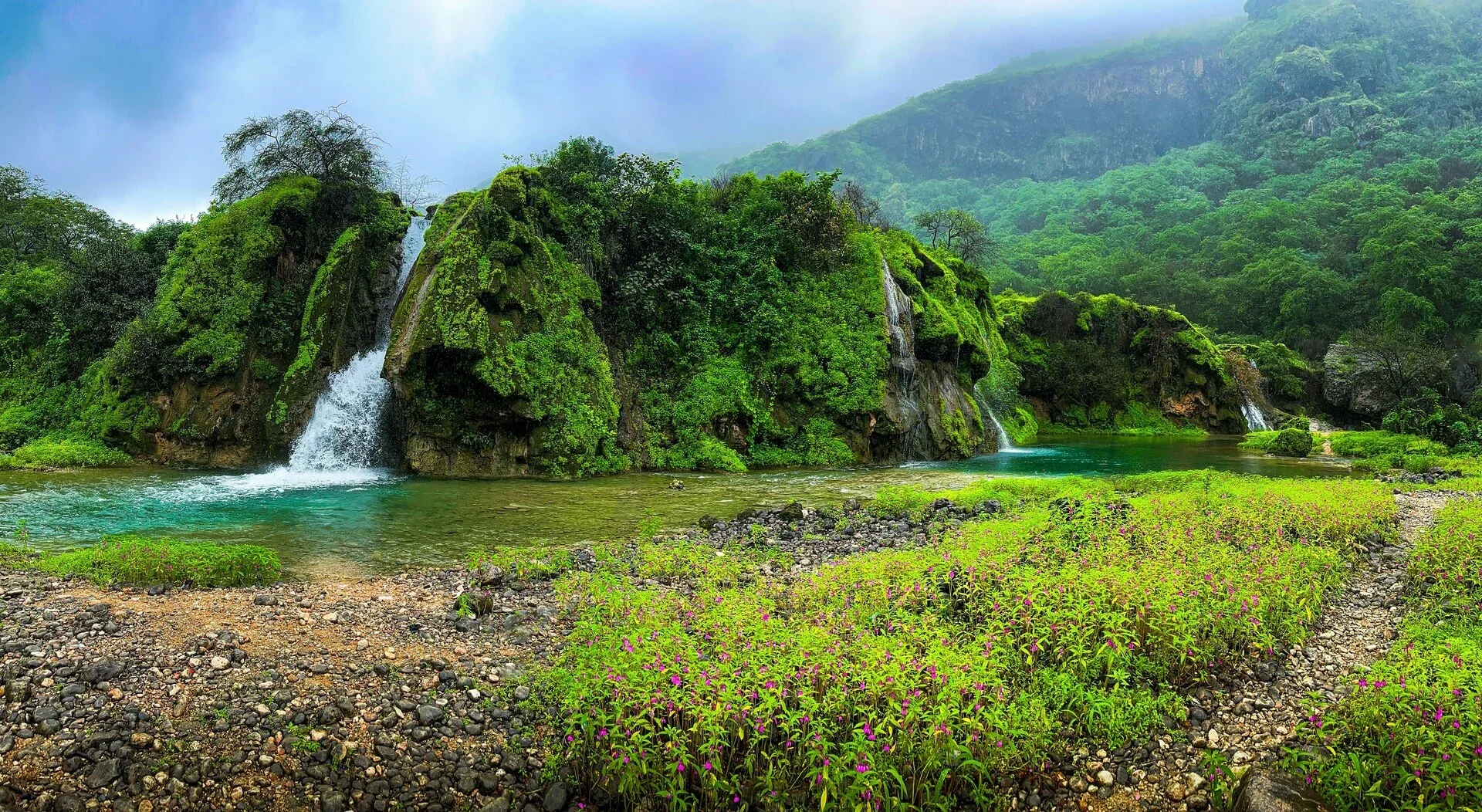
While much of the Arabian Peninsula experiences soaring summer temperatures, southern Oman transforms into a lush, green paradise. Every year between late June and early September, the Dhofar region welcomes the Khareef, a unique monsoon season that blankets the mountains in mist, fills waterfalls and streams, and covers the landscape in vibrant greenery.
This remarkable natural phenomenon makes Salalah unlike anywhere else in the Middle East. Temperatures are significantly cooler than in the north of Oman, creating ideal conditions for sightseeing, hiking, and enjoying the outdoors.
Some of the region's most popular attractions include Wadi Darbat, where seasonal waterfalls cascade into freshwater lakes, Ayn Athum and Ayn Khor springs, the stunning cliffs of Jebel Samhan, and the white sands of Al Mughsail Beach, where powerful blowholes send seawater high into the air during rough seas.
The Dhofar region is also famous for its frankincense trees. For thousands of years, this precious resin was traded across the ancient world, bringing wealth to southern Oman and helping establish one of history's most important trading routes. Today, visitors can explore archaeological sites connected to this fascinating heritage while learning about the production of frankincense, which remains an important part of Omani culture.
During Khareef, Salalah hosts festivals celebrating local traditions, music, crafts, and cuisine, making it one of the most exciting times of the year to visit.
Visitor Information
Location: Dhofar Governorate, southern Oman.
Best time to visit: Late June to early September.
Recommended stay: 3–5 days.
Highlights: Waterfalls, mountains, beaches, frankincense heritage and seasonal festivals.
Travel Tip
Khareef is one of Oman's busiest travel seasons, so book accommodation and flights well in advance if you plan to visit during school holidays or weekends.
12. Relax on Oman's Spectacular Beaches
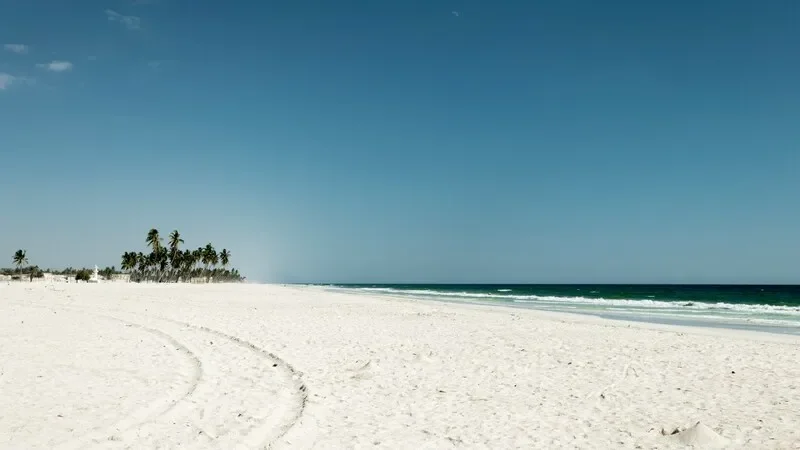
With more than 3,000 kilometres of coastline, Oman offers an incredible variety of beaches, from lively waterfronts and secluded coves to long stretches of untouched white sand.
Near Muscat, Qurum Beach is a popular spot for walking, swimming, and enjoying cafés overlooking the sea, while nearby Al Bustan Beach offers calm waters with beautiful mountain scenery. East of the capital, Tiwi Beach provides crystal-clear water and easy access to nearby wadis, making it an excellent stop during a coastal road trip.
For those seeking more remote landscapes, Bandar Al Khiran is a hidden gem of secluded bays and rocky inlets that can be explored by kayak or boat. In southern Oman, Al Mughsail Beach is renowned for its striking cliffs, golden sand, and natural blowholes that become especially impressive during the Khareef season.
Many of Oman's beaches are important nesting grounds for sea turtles and are home to vibrant marine ecosystems. Snorkelling, paddleboarding, kayaking, scuba diving, and dolphin watching are all popular activities along the country's coastline.
Whether you're looking for a family-friendly beach, a romantic sunset spot, or an adventure on the water, Oman has a beach to suit every type of traveller.
Visitor Information
Best time to visit: October to April for warm, comfortable weather.
Swimming: Many beaches have calm waters, but always check local conditions before entering the sea.
Activities: Swimming, snorkelling, diving, kayaking, paddleboarding and beach picnics.
Travel Tip
Bring reef-safe sunscreen and take all rubbish with you to help protect Oman's beautiful coastline and marine life.
13. Watch Dolphins in Their Natural Habitat

The waters surrounding Oman are home to an impressive variety of marine life, making dolphin watching one of the country's most popular wildlife experiences.
Boat tours depart daily from marinas around Muscat and head into the Gulf of Oman, where several dolphin species—including bottlenose, spinner, and common dolphins—are frequently spotted. It's not unusual for pods to swim alongside the boats, creating unforgettable moments for visitors.
Many tours combine dolphin watching with snorkelling stops in sheltered bays, giving you the opportunity to explore colourful coral reefs and tropical fish before returning to shore.
The calm morning seas often provide the best conditions for spotting wildlife, while the surrounding mountain coastline offers spectacular views throughout the journey.
Responsible tour operators maintain a respectful distance from the animals, ensuring that wildlife can be observed without disturbing their natural behaviour.
Visitor Information
Location: Primarily from Muscat.
Duration: 4-6 hours.
Best time to visit: Dolphins can be seen throughout the year.
Suitable for: Families, photographers and wildlife enthusiasts.
Travel Tip
Choose an early morning departure for calmer waters and excellent lighting for photography.
14. Experience Omani Hospitality and Local Traditions

Although Oman is celebrated for its landscapes, many visitors leave saying that the country's greatest attraction is its people.
Omani hospitality is deeply rooted in the country's culture and Islamic traditions. Guests are often welcomed with kahwa, a lightly spiced Arabic coffee flavoured with cardamom, accompanied by sweet local dates. This simple gesture represents generosity, friendship, and respect.
Throughout your travels, you'll notice the slower pace of life that distinguishes Oman from many neighbouring destinations. Traditional markets continue to thrive, family-run businesses sell handmade crafts, and ancient customs remain an important part of everyday life.
One of the best ways to experience authentic Omani culture is by visiting local villages, attending cultural festivals, or joining traditional experiences such as frankincense workshops, dhow cruises, cooking classes, or guided heritage tours.
Sampling Omani cuisine is another essential part of the journey. Be sure to try dishes such as shuwa (slow-cooked marinated lamb), mashuai (grilled kingfish served with rice), harees, and the famous Omani halwa, often enjoyed alongside kahwa.
Taking time to engage with local people often becomes one of the most memorable parts of a visit to Oman.
Visitor Information
Language: Arabic is the official language, although English is widely spoken in tourist areas.
Local etiquette: Dress modestly when visiting villages, mosques and cultural sites.
Cuisine: Traditional restaurants can be found throughout the country.
Travel Tip
Learning a few Arabic greetings, such as "As-salaam Alaikum" (peace be upon you) and "Shukran" (thank you), is a wonderful way to connect with local people.
15. Take an Unforgettable Road Trip Across Oman
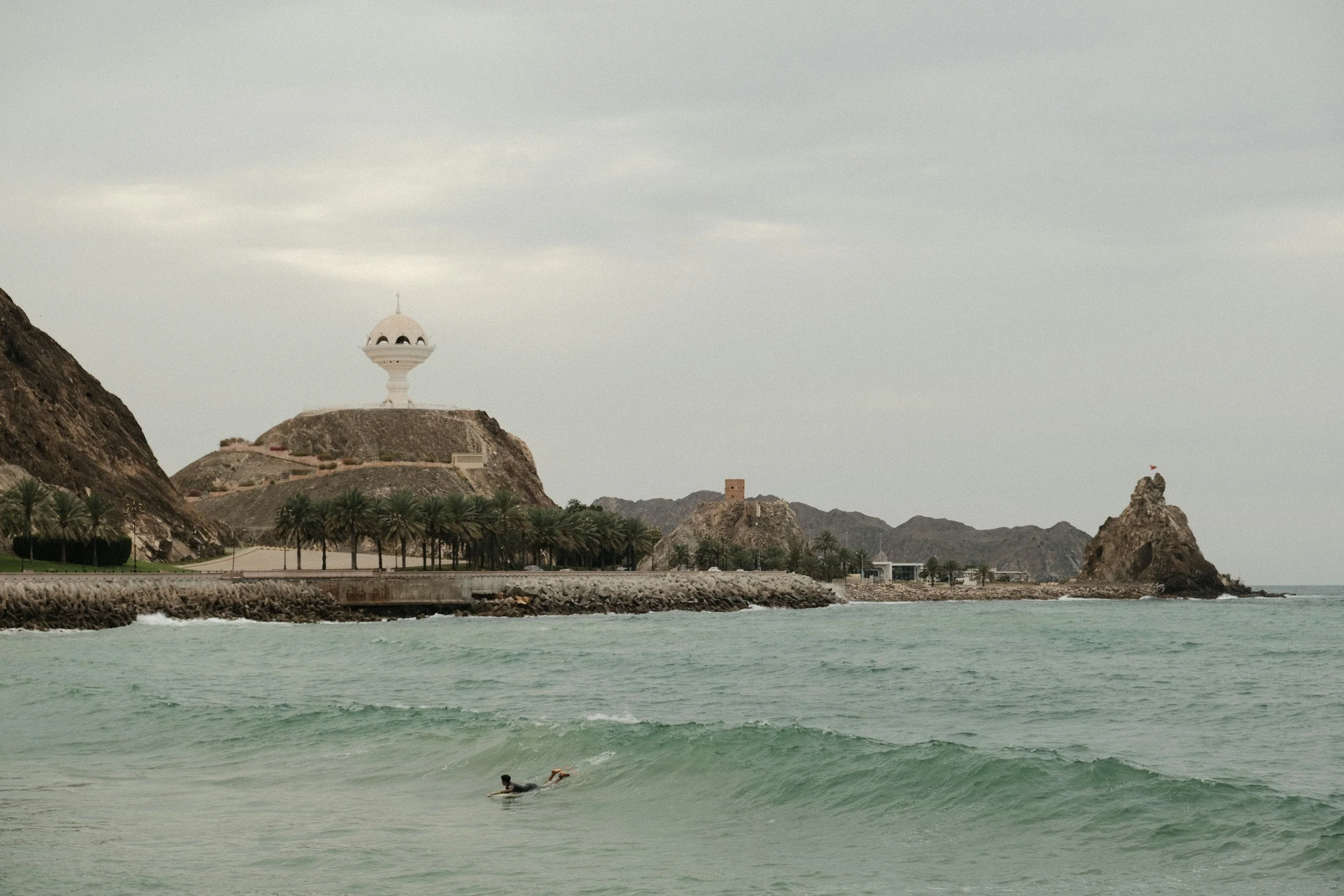
Few countries are better suited to a self-drive adventure than Oman. Excellent roads, spectacular scenery, and relatively short driving distances make it easy to explore everything from mountains and deserts to coastlines and historic towns.
One of the most popular road trips begins in Muscat before following the coast through Bimmah Sinkhole, Wadi Shab, Tiwi, and Sur. Another route heads inland to Nizwa, continuing into the Al Hajar Mountains towards Jebel Akhdar or Jebel Shams.
For a desert adventure, travellers can combine Nizwa with an overnight stay in Wahiba Sands, before continuing to the turtle reserve at Ras Al Jinz. In southern Oman, scenic drives through the Dhofar mountains reveal dramatic viewpoints, waterfalls, and coastal landscapes unlike anywhere else in the Arabian Peninsula.
Driving also gives you the freedom to stop at hidden villages, roadside fruit stalls, mountain viewpoints, quiet beaches, and lesser-known attractions that many organised tours simply pass by.
Visitor Information
Driving: Oman drives on the right-hand side of the road.
Road quality: Excellent throughout most of the country.
4WD: Recommended for mountains, deserts and some remote wadis.
Fuel: Petrol prices are relatively affordable compared to many countries.
Travel Tip
Download offline maps before setting off, particularly if you plan to explore remote mountain or desert regions where mobile coverage may be limited.
Interesting Facts About Oman
Oman is full of fascinating stories, landscapes, and traditions that make it unlike any other destination in the Middle East.
Oman has more than 3,000 kilometres of coastline, stretching along the Arabian Sea, the Gulf of Oman, and the Arabian Gulf.
The country is home to five UNESCO World Heritage Sites, including Bahla Fort, the Archaeological Sites of Bat, Al-Khutm and Al-Ayn, the Land of Frankincense, the Aflaj Irrigation Systems, and the Ancient City of Qalhat.
Oman's highest mountain, Jebel Shams, rises to over 3,000 metres above sea level.
More than 80% of Oman consists of deserts and mountains.
The Aflaj irrigation system has supplied water to villages and farms for more than 1,500 years, with some channels still in use today.
Oman is one of the few countries where visitors can watch endangered green turtles nesting in the wild.
Frankincense from southern Oman was once one of the world's most valuable trading commodities and was exported to ancient Egypt, Rome, Greece, and beyond.
Traditional wooden dhows are still built by hand in Sur using techniques passed down through generations.
Oman is considered one of the safest countries in the Middle East and is well known for its warm hospitality.
Unlike many Gulf cities, Muscat has strict building regulations that preserve its low-rise skyline and traditional architectural character.
