TRAVEL Information
A complete guide to navigating Oman safely and easily during your stay
This section provides practical guidance for travelling in Oman, including how to get to and move around the country, key safety information, cultural etiquette, dress code recommendations, essential local contact details, and useful health tips to help ensure a safe, comfortable, and respectful journey
-
Oman is best explored by road, with wide-open highways, well-maintained routes, and scenic drives connecting mountains, deserts, and coastal cities. Because attractions are spread across different regions, transport plays an important role in shaping the travel experience.
By Car (Most Popular Option)
Renting a car is the most convenient way to explore Oman. Roads are modern and well signposted, and driving conditions are generally safe. A 4x4 vehicle is recommended for mountain routes, desert areas, and remote wadis, while a standard car is suitable for city travel and major highways.Taxis & Ride Services
Taxis are available in the cities with ride-hailing apps such as OTaxi, which is also commonly used in urban areas.Public Transport
Oman’s public bus network, operated by Mwasalat, connects major cities and some towns at affordable prices. Buses are modern and comfortable, but routes are limited compared to private transport, making them more suitable for intercity travel rather than city exploration.Private Tours & Transfers
Many travelers choose guided tours or private transfers, especially for desert trips, mountain excursions, and longer routes. This option offers convenience, local knowledge, and access to off-the-beaten-path locations.Domestic Travel Tips
Distances between attractions can be significant, so planning ahead is important. Fuel is affordable, roads are safe, and scenic driving is often part of the experience itself, making road travel one of the highlights of visiting Oman.To find out more information about travel options across Oman, including car rentals, intercity transport, and other ways to get around the country, visit this page
-
Oman is widely regarded as one of the safest countries in the world, offering a calm and secure environment for travelers. Visitors can explore cities, beaches, and remote landscapes with confidence, though it’s always wise to take basic precautions, such as keeping valuables secure and staying aware of your surroundings.
Driving in Oman is generally safe, with well-maintained roads and clear signage. Following traffic rules is important, and daytime travel is recommended when exploring rural or mountainous areas. For added convenience, downloading an offline map can make navigation easier.
In case of emergency, you can dial 9999 for police, ambulance, or general assistance. Most embassies and consulates are located in Muscat, with working hours typically from Sunday to Thursday, though schedules may vary during Ramadan.
-
When visiting Oman, dressing modestly is a simple way to show respect for local culture while staying comfortable in the climate.
Lightweight, breathable clothing is ideal due to the warm weather, but it is recommended to cover shoulders and knees in public places such as markets, towns, and cultural sites. This applies to both men and women. Swimwear is perfectly acceptable at hotel pools, private beaches, and resorts, but should not be worn in public areas outside these spaces.
Women are not required to cover their hair in public, though a headscarf is needed when entering mosques. Men should avoid sleeveless tops in non-beach settings.
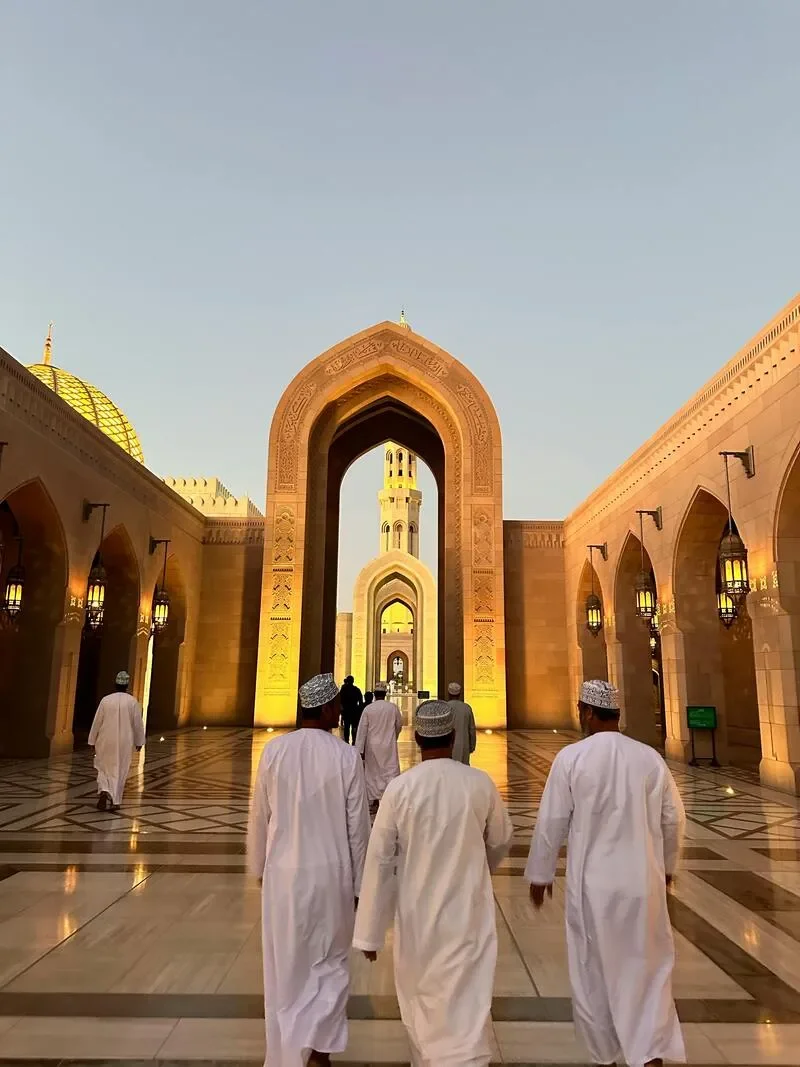
Mosque visits: When entering mosques, both men and women must dress more conservatively. Women should cover their hair, arms, and legs, and wear loose-fitting clothing. Men should wear long trousers and cover their shoulders. Shoes must be removed before entering prayer areas.
In more traditional or rural areas, dressing slightly more conservatively is appreciated.
Overall, the dress code in Oman is relaxed but respectful, allowing visitors to feel comfortable while aligning with local customs.
-
When visiting Oman, understanding local etiquette helps you connect more meaningfully with the culture and people.
Omanis are known for their warmth, hospitality, and politeness, and respectful behaviour is highly valued in everyday life. A simple greeting such as “Salam” is always appreciated and is a great way to start interactions.
Public behaviour is generally calm and reserved. Loud conversations, arguments, or disruptive behaviour in public spaces are uncommon and should be avoided. Modesty is also important, both in dress and conduct, especially in traditional areas.
When interacting with locals, always ask permission before taking photos, particularly of individuals or private spaces. Respect should also be shown around government buildings, religious sites, and during prayer times.
Public displays of affection are best avoided, as Omani culture values privacy.
During the holy month of Ramadan, extra consideration is expected, including avoiding eating or drinking in public during daylight hours.
Learn more about Oman and its traditions & etiquette here
-
In case of emergency, dial 9999 for police, ambulance, or fire services anywhere in the country.
Most embassies and consulates are located in Muscat and generally operate from Sunday to Thursday. Opening hours may vary, especially during public holidays and the holy month of Ramadan, so it is best to check in advance if you need assistance.
For general peace of mind, keep important contacts saved in your phone and ensure you have access to your accommodation details at all times.
-
Oman has a subtropical dry climate, with warm temperatures throughout most of the year and minimal rainfall.
October to March (best time to visit): Cooler, pleasant weather ideal for sightseeing and outdoor activities
April to May: Warmer but still comfortable for travel
June to September (summer): Hot in most regions, though mountain areas remain cooler. Dhofar (Salalah) experiences the unique Khareef monsoon during that time of the year, bringing lush greenery and mild temperatures
Learn more about Oman and its climate here
Before You Travel
Essential travel planning details to help you prepare for your journey to Oman with confidence, including visa requirements, travel insurance, packing essentials, currency & payment options, and seasonal weather insights so you know exactly what to expect before you arrive
-
The visa process for visitors to Oman is managed by the Royal Oman Police (ROP), which provides an official online system for visa applications.
Visa Eligibility Information
Before travelling to Oman, it is important to check your visa eligibility based on nationality. To check visa eligibility, please visit the Royal Oman Police (ROP) official portal at https://evisa.rop.gov.om/visa-eligibility.Travelers from eligible nationalities can apply for an eVisa through the official portal:
https://evisa.rop.gov.om/.Visa-Free Entry (Up to 14 Days)
In line with Oman’s efforts to simplify travel procedures, visitors from more than 100 countries and regions are eligible for visa-free entry for stays of up to 14 days, provided they meet the required conditions.To check eligibility, supported countries, and entry requirements, visit the official Ministry of Foreign Affairs page:
https://www.fm.gov.om/en/visitors/entry-visas/.Important Note
Visa rules can change, so it is advised to always check the latest official government updates before planning your trip. -
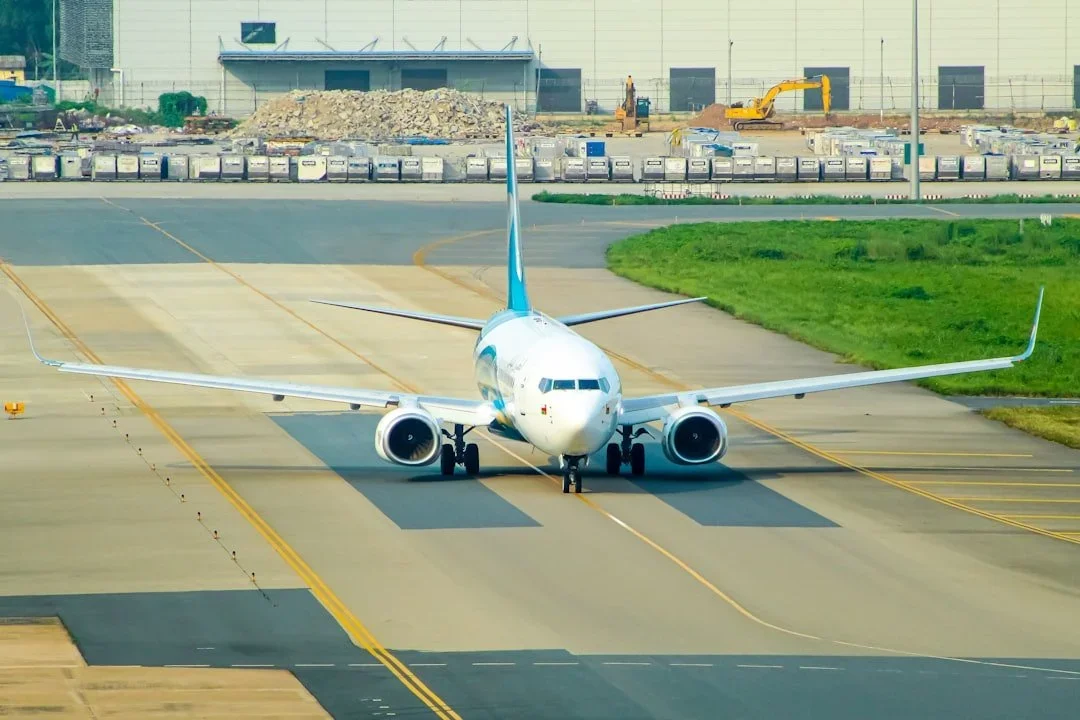
Oman is well connected internationally through its main airports, with most visitors arriving via direct or connecting flights. The primary entry point is Muscat International Airport, which serves long-haul and regional routes from Europe, Asia, the Middle East, and Africa.
A secondary entry point is Salalah International Airport, mainly used for flights to the southern Dhofar region, especially during the Khareef season.
Oman is served by a range of major international airlines, and many travellers connect through regional hubs such as Dubai, Doha, and Abu Dhabi, making access to the country both flexible and efficient.
Arrival procedures are generally smooth and well-organised, with modern airport facilities, clear signage, and straightforward immigration processes, ensuring a comfortable and hassle-free entry experience for international travellers.
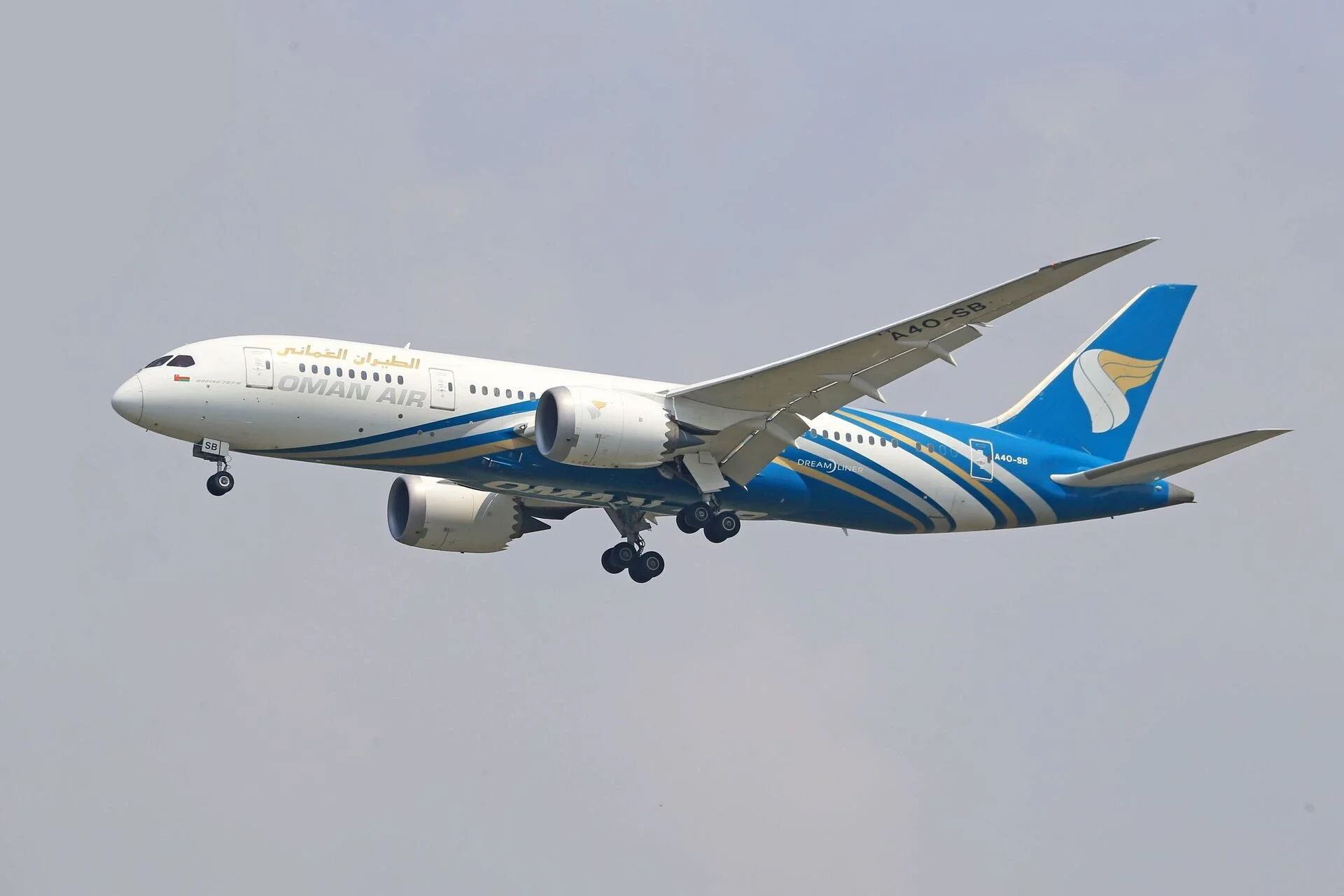
Book your journey with Oman Air, the national airline of Oman, offering comfortable service, modern aircraft, and direct connections to Muscat and key destinations worldwide.
International Travel by Road to Oman
Travel by road into Oman is possible from neighbouring countries and is commonly used by residents, regional travellers, and overland visitors exploring the Gulf. The country shares land borders with the United Arab Emirates, Saudi Arabia, and Yemen, with the UAE being the most frequently used and developed crossing point for international road travel. -
Travel insurance is strongly recommended when visiting Oman, as healthcare for visitors can be expensive without coverage. A good policy should include medical emergencies, hospitalisation, and emergency evacuation, especially if you plan to explore deserts, mountains, or water activities. Trip cancellation and baggage loss coverage are also useful. Some visas or airlines may require proof of insurance. Although Oman is a safe country, accidents or unexpected illness can still happen, so having insurance ensures peace of mind and financial protection throughout your stay.
-
Packing for Oman depends on the season and the type of experiences you plan to enjoy, but in general, lightweight, breathable, and modest clothing is the foundation of a comfortable trip.
Light cotton or linen clothing is ideal for most of the year, helping you stay cool in warm temperatures while remaining respectful of local customs. It is recommended to dress modestly in public spaces, with shoulders and knees covered, especially when visiting villages, markets, and cultural or religious sites.
Comfortable walking shoes or hiking footwear are essential, particularly if you plan to explore mountains, wadis, or desert landscapes. A hat, sunglasses, and high-SPF sunscreen are highly recommended due to strong sun exposure throughout the year.
For cooler months (November to March), especially in the mountains and desert at night, a light jacket or sweater is useful as temperatures can drop significantly after sunset. Swimwear is appropriate for beaches, hotel pools, and wadis.
A reusable water bottle is also important to stay hydrated, particularly during outdoor activities. A small daypack, travel adapter, and basic first-aid items can further enhance comfort and convenience while travelling.
Oman uses the Type G plug socket. Most modern hotels may provide universal sockets, but bringing your own adapter is strongly recommended, especially for charging multiple devices.
Overall, packing for Oman is about balancing comfort, sun protection, and cultural respect while staying prepared for both desert heat and cooler mountain evenings.
-
The Omani Rial (OMR) is one of the highest-valued currencies in the world, and is divided into 1,000 baisa. Banknotes range from 1, 5, 10, 20 and 50 OMR, with smaller denominations like 100 and 500 baisa commonly used for everyday small purchases. While coins exist, very small values are not always useful.
Cash is still commonly used, especially in local markets and smaller shops, but credit and debit cards - particularly Visa and Mastercard - are widely accepted in hotels, restaurants, and malls as well as most shops.
ATMs are easy to find across the country, including at airports and petrol stations.
For convenience, it’s helpful to have at least 20 OMR in cash for convenience, and it is always useful to download a currency converter app to compare costs in your currency.
-
Salam Alaikum (sa-LAAM a-LAY-koom) – Hello / Peace be upon you
Wa Alaikum Salam (wa a-LAY-koom sa-LAAM) – Response to greeting
Shukran (SHOOK-ran) – Thank you
Afwan (AF-wan) – You’re welcome / Excuse me
Min fadlak / Min fadlik (min FAD-lak / FAD-lik) – Please (male / female)
Naam / La (na-AM / la) – Yes / No
Kam hada? (kam HA-da?) – How much is this?
Ayna…? (AY-na) – Where is…?
Wayn al-hammam? (WAYN al-ha-MAM) – Where is the bathroom?
La afham (la af-HAM) – I don’t understand
Hal tatakallam al-ingleeziya? (hal ta-ta-KAL-lam al-in-GLEE-zi-ya?) – Do you speak English?
Ismi… (IS-mi) – My name is…
Ma’a salama (ma-a sa-LA-ma) – Goodbye
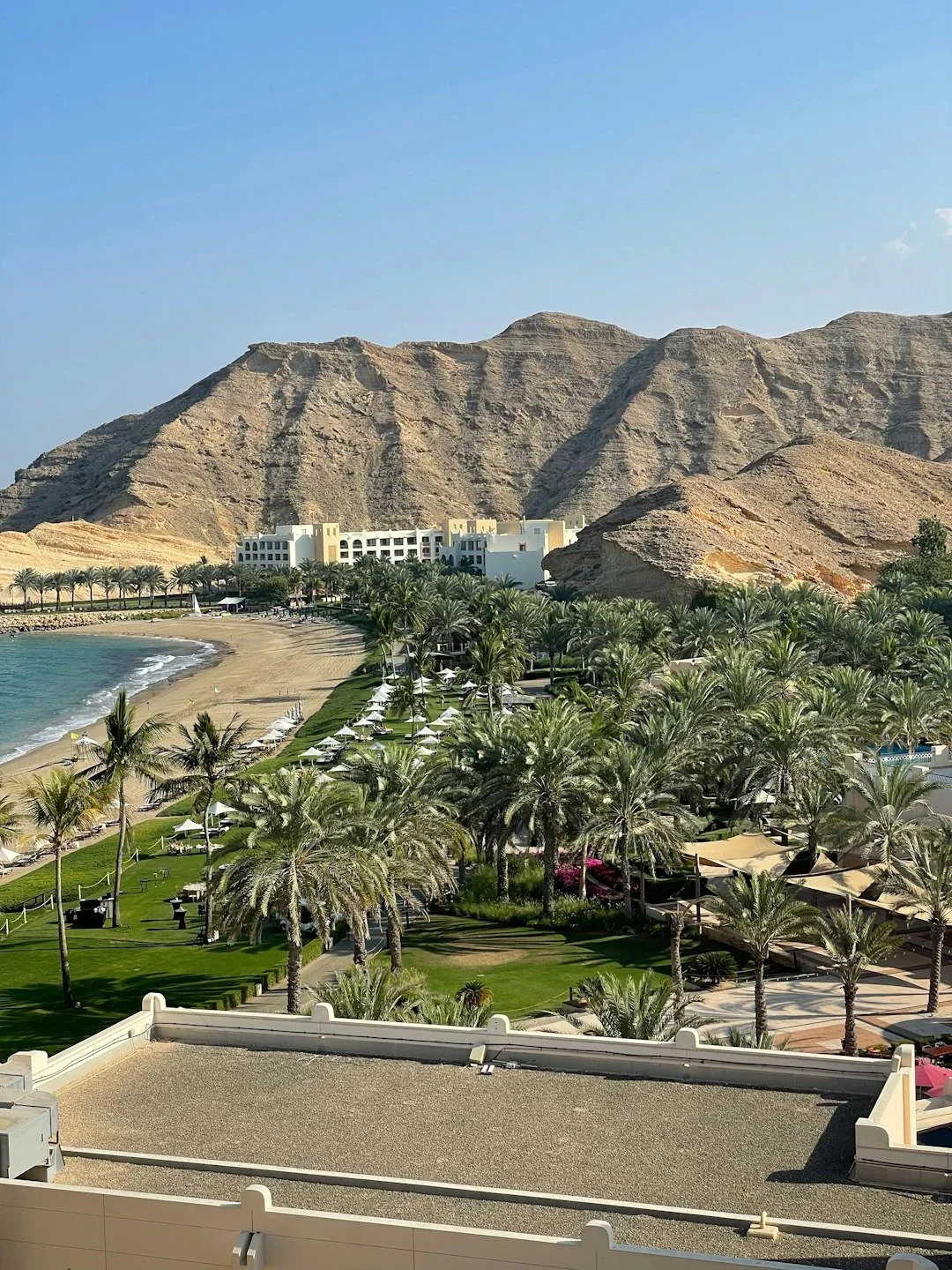
Travellers to Oman who are eligible for an eVisa can apply through the official Royal Oman Police online portal. The system provides guidance on visa requirements, application submission, and approval processes prior to travel, helping ensure a smooth and well-prepared arrival
Upon Arrival
Everything you need to know the moment you land in Oman for a smooth and stress-free arrival experience. This section covers Muscat International Airport, SIM card options, transport services, meet & greet assistance, and airport lounge access. It helps you move from plane to destination quickly and comfortably
-
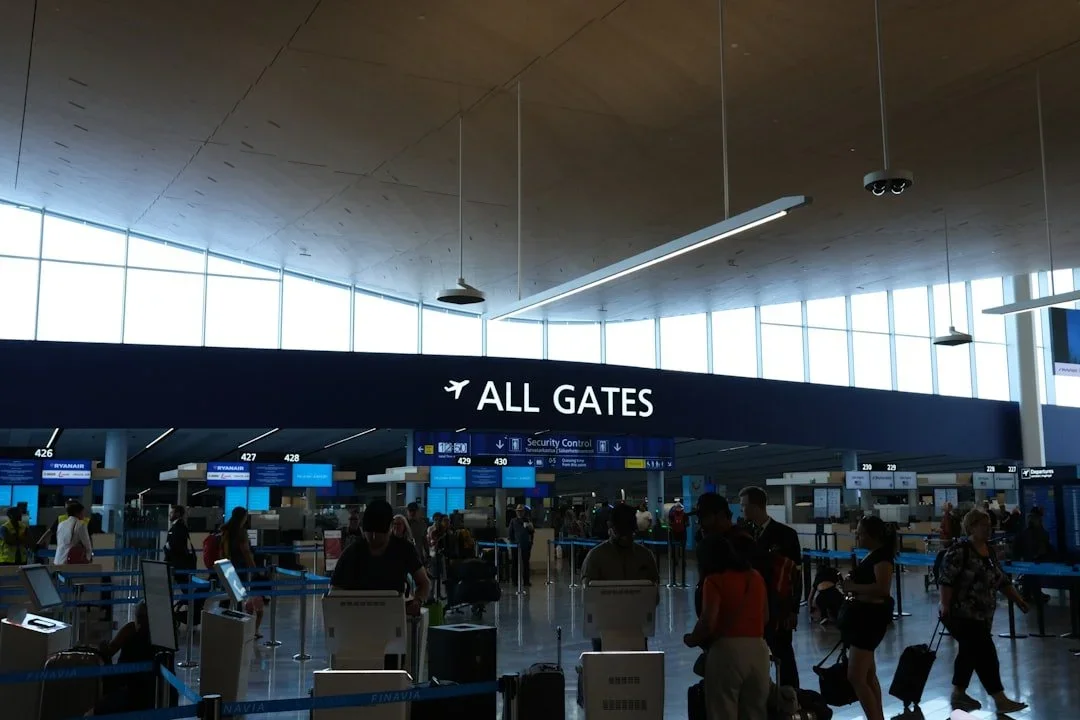
Muscat International Airport is the primary international gateway to Oman, designed to offer a smooth and modern arrival experience for travellers. The airport features a spacious, well-organised terminal with clear signage in both English and Arabic, guiding passengers efficiently through immigration, baggage claim, and customs.
Arrival procedures are generally straightforward, supported by efficient processing and a contemporary infrastructure that reflects Oman’s focus on comfort and ease of travel.
The terminal provides easy access to taxis, car rentals, SIM card services, and hotel transfers, all clearly signposted to support onward travel.
-
Salalah International Airport is the main gateway to southern Oman, providing convenient access to the Dhofar region and its unique landscapes. Designed with a modern and efficient layout, the airport offers a smooth arrival experience with clear signage and straightforward passenger flow through immigration, baggage claim, and customs.
It primarily serves regional and seasonal international routes, with increased activity during the Khareef season when travellers arrive to experience Salalah’s cooler climate and green monsoon landscapes. The terminal is easy to navigate, and supported by essential traveller services including taxis, car rentals, and transport connections to the city and surrounding areas.
-
Upon arrival, travellers can easily purchase a local SIM card from kiosks in the arrivals hall at Muscat International Airport and Salalah International Airport. The main providers, such as Omantel and Ooredoo, offer prepaid tourist SIM packages with data, calls, and sometimes international credit. Activation requires your passport for registration. These SIM cards are useful for navigation, ride-hailing apps, and staying connected during your trip. Wi-Fi is available at the airport, but having mobile data from the start ensures a smoother transition when leaving the airport and travelling to your hotel or destination.
-
Transportation from the airport is simple and well-organised. Official airport taxis are available outside the arrivals terminal, offering fixed or metered fares depending on the destination. Ride-hailing apps such as OTaxi also operate in Muscat, providing a convenient alternative.
Car rental desks from international and local providers are located inside the terminal for those who prefer to drive on their own.
For hotel guests, many accommodations offer pre-arranged airport transfers, which can be one of the most comfortable options after a long flight. It is recommended to agree on fares or confirm bookings in advance with the hotel.
To find out more information about travelling across Oman, please visit this page
-
Arriving in Oman is made even smoother with Meet & Greet assistance services, designed to support travellers from the moment they land. At airports such as Muscat International Airport and Salalah International Airport, these services provide personalised assistance through arrival procedures, including immigration guidance, baggage collection, and airport navigation.
Meet & Greet services typically include a dedicated representative who welcomes passengers at the gate or arrival hall, helps streamline airport formalities, and assists with onward arrangements such as transport, hotel transfers, or connecting flights. For first-time visitors, families, or travellers seeking added convenience, this service offers a more seamless and stress-free arrival experience.
It is particularly useful during peak travel periods, when airports may be busier, or for those who prefer faster, more coordinated support upon landing.
To learn more or book Meet & Greet, please visit the official website
-
At Muscat International Airport, travellers can access a range of lounge facilities designed for comfort, privacy, and relaxation before departure or during transit in Oman.
The main premium option is the Primeclass Lounge, offering a calm, contemporary space with comfortable seating, dining selections, refreshments, Wi-Fi, and dedicated areas for work or rest. It provides a quieter environment away from the main terminal, ideal for both business and leisure travellers.
Lounge access is typically available to business class passengers, eligible airline loyalty members, or through paid entry, depending on airline and ticket type. Day passes may also be available for travellers seeking added comfort regardless of cabin class.
Overall, lounge facilities at Muscat Airport are designed to enhance the travel experience with a more relaxed and convenient environment before departure.
Need Help Planning Your Oman Adventure?
Get a personalized itinerary with curated experiences, local recommendations, and the best routes across the Sultanate with the help of Oman Travel Hub

Useful Apps
A select set of essential mobile apps to help you move around Oman with ease, stay connected, and manage daily travel needs. From transport and navigation to food delivery and communication, these tools make exploring the country smoother, more efficient, and stress-free
Everything You Need For Your Journey
A curated collection of essential travel resources to help you plan your journey through Oman with ease. Explore trusted hotel options, transport services, dining recommendations, and local tour operators — all in one place to help you design a seamless and well-connected travel experience.