
Muscat
Where the sea meets tradition - Oman’s elegant capital of culture, coastline and timeless Arabian charm
-
![]()
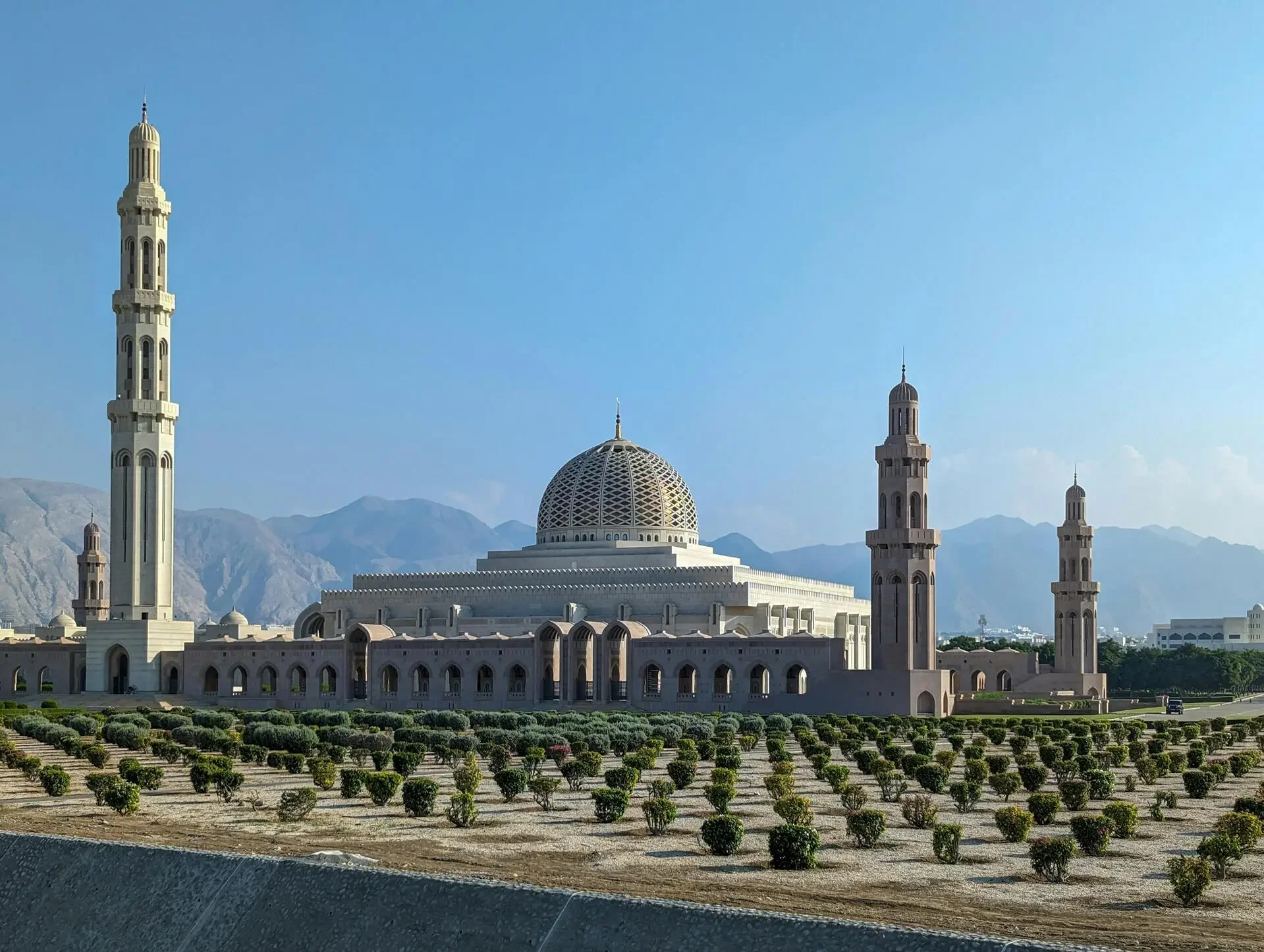
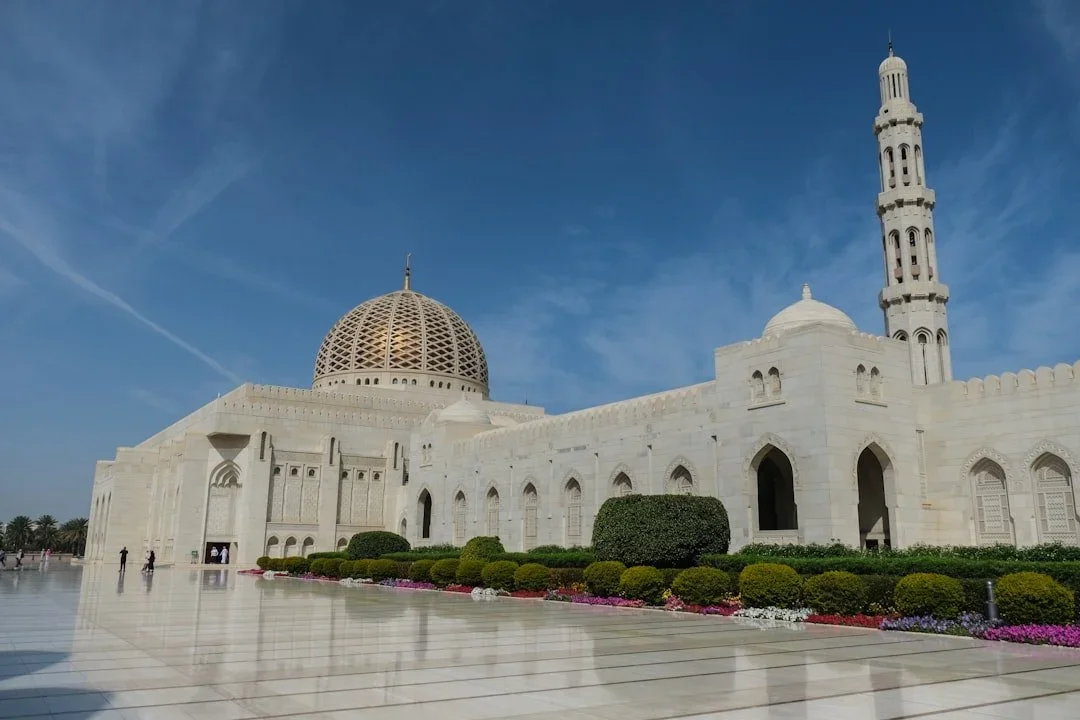
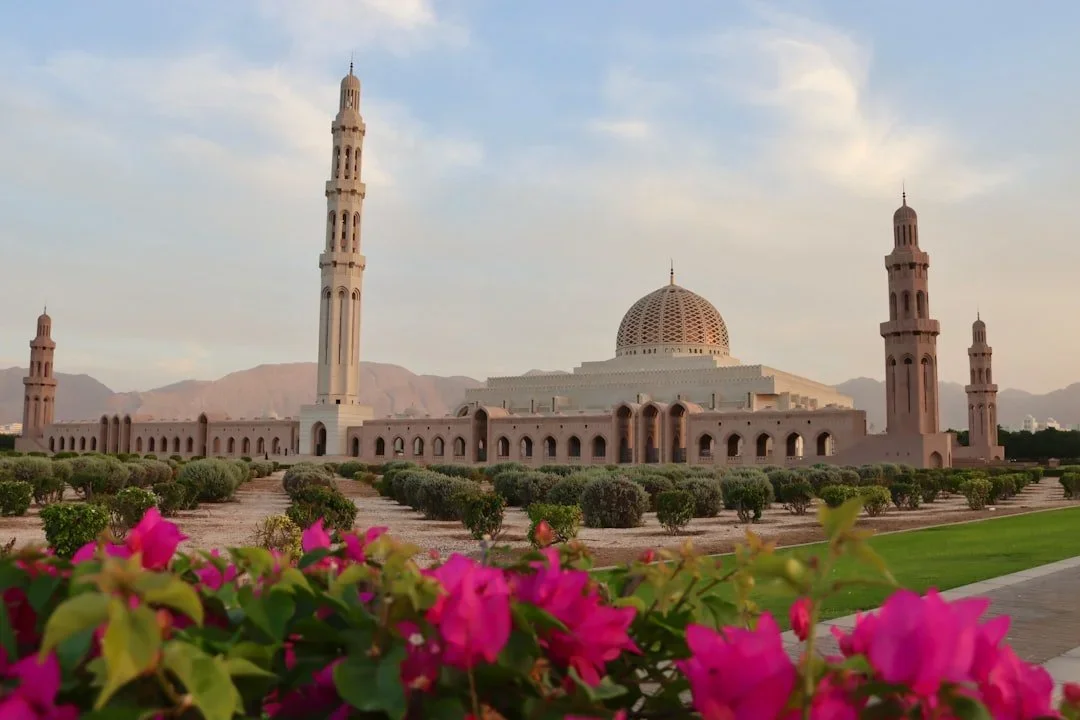
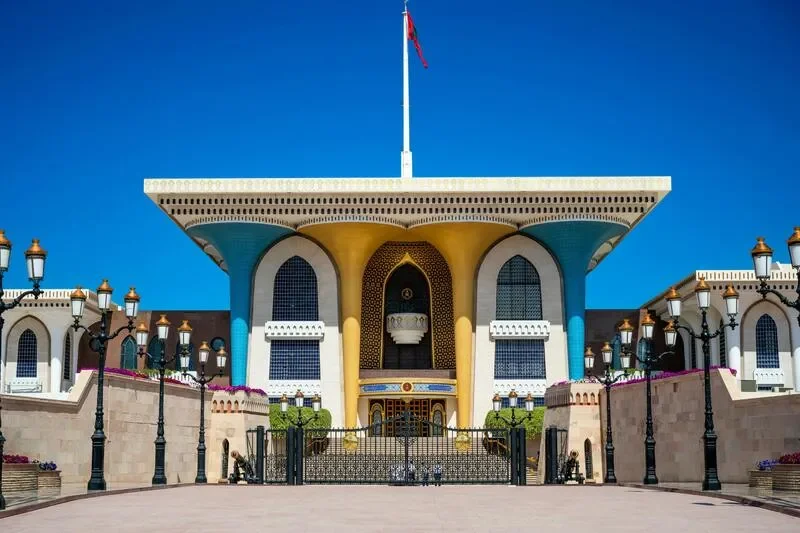
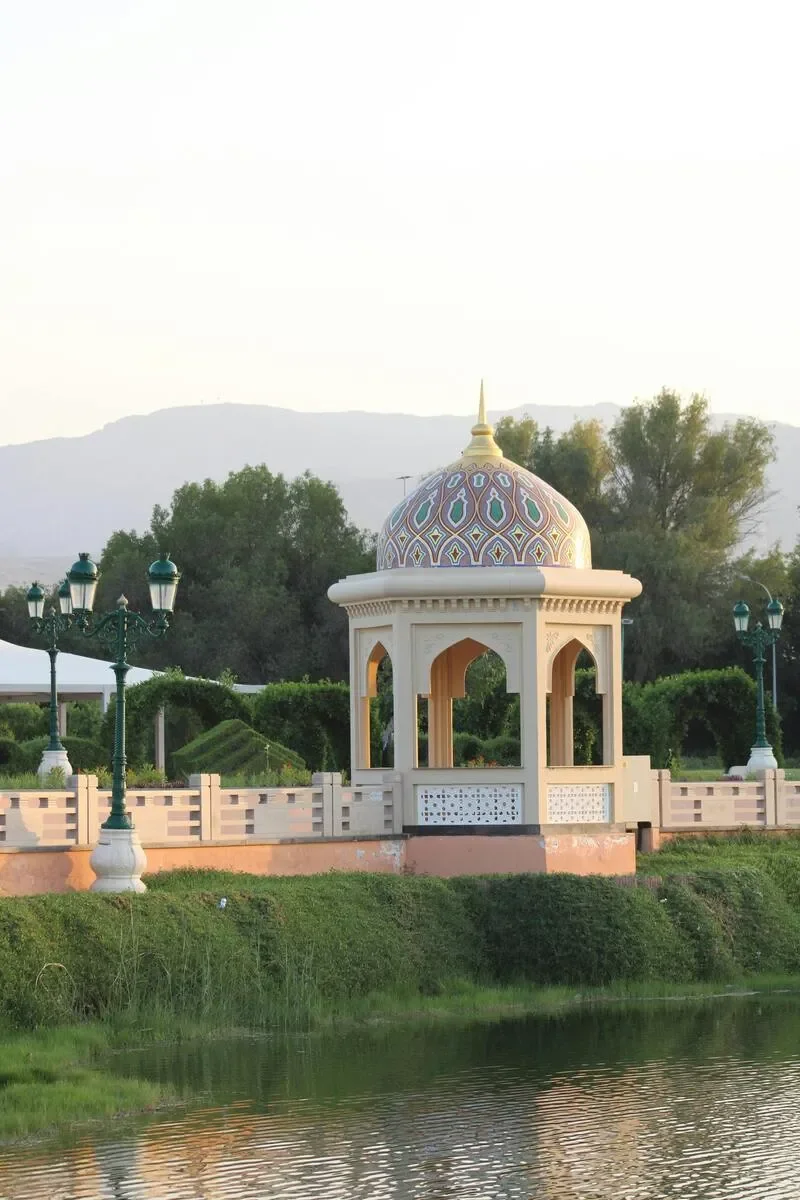
Visit Sultan Qaboos Grand Mosque
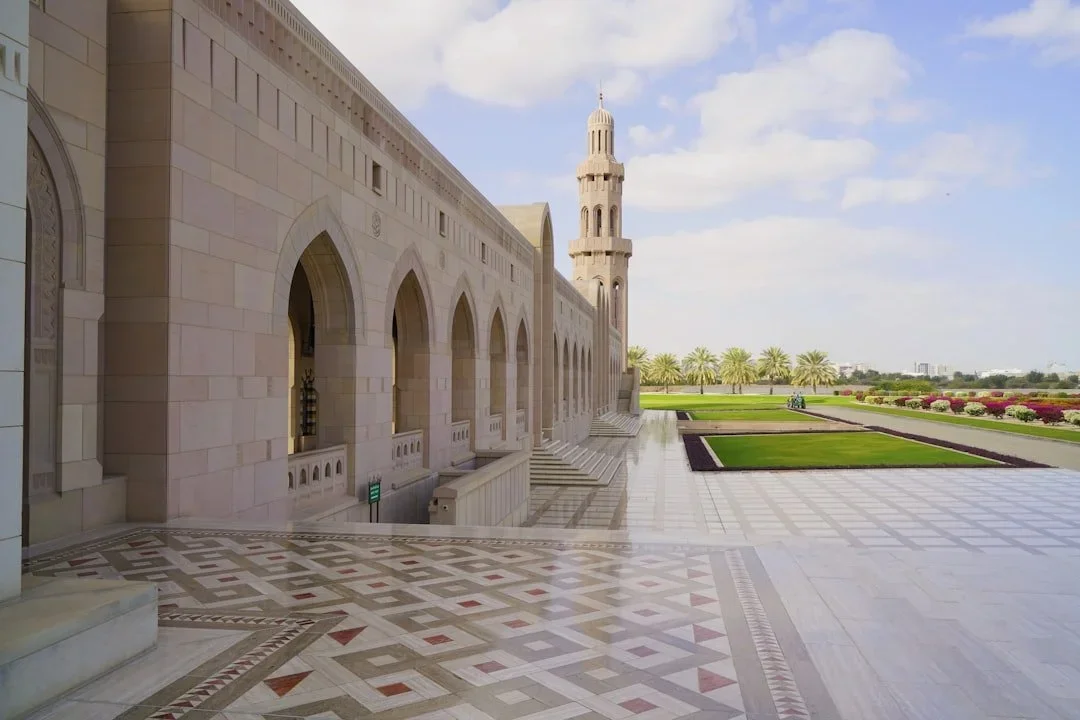
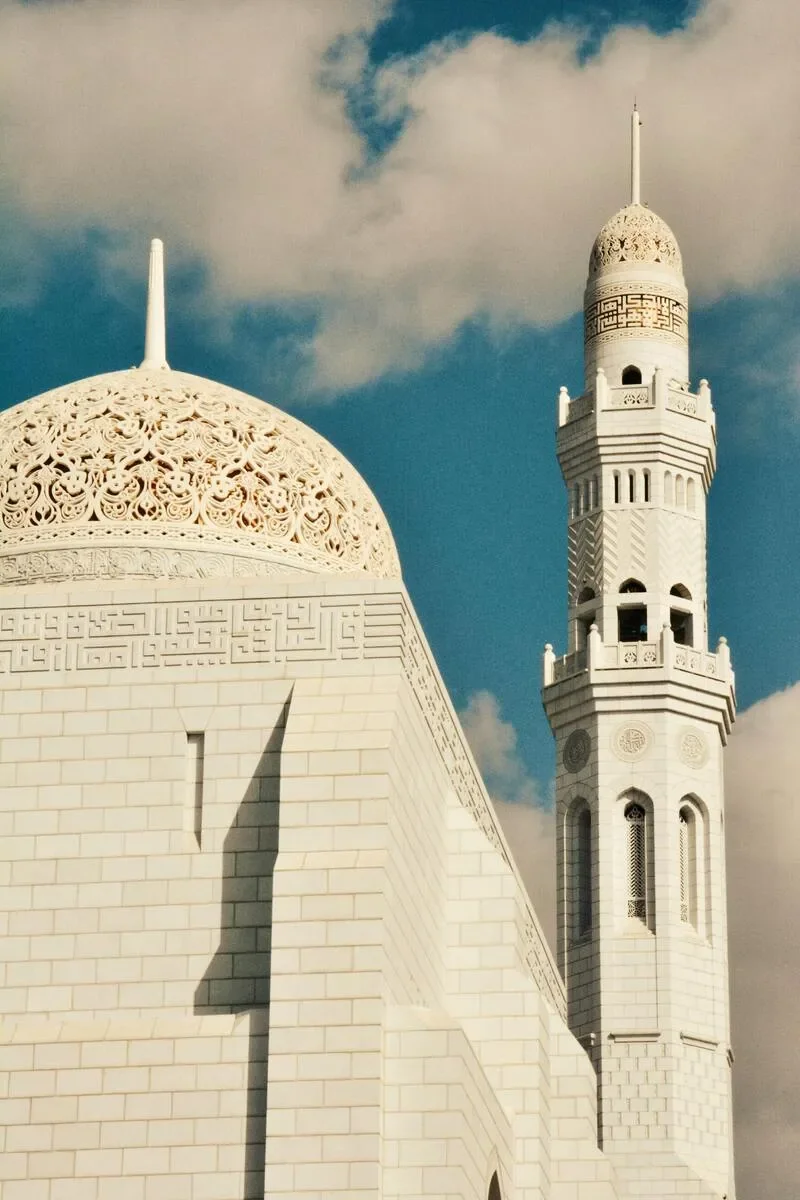
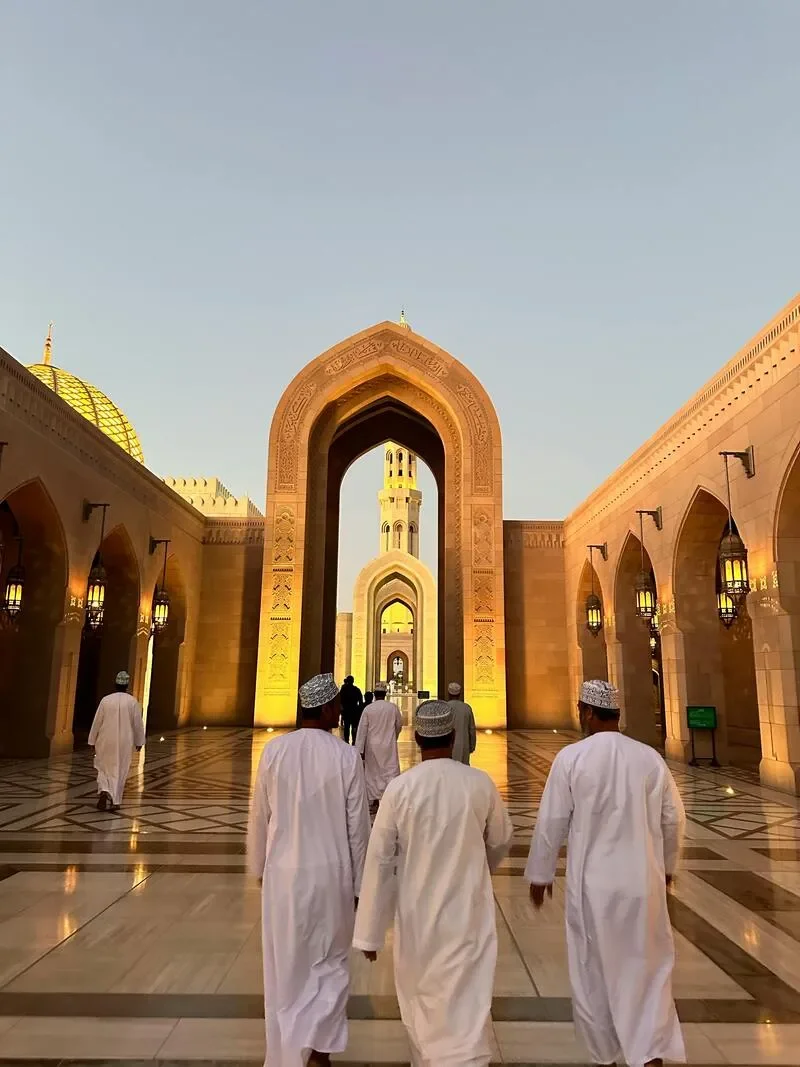
One of Oman’s most iconic landmarks, the Sultan Qaboos Grand Mosque is known for its grand architecture, intricate Islamic design, massive prayer hall, and beautifully landscaped courtyards. Non-Muslim visitors can explore the mosque during visiting hours and experience one of the country’s most important cultural sites.
-
![]()
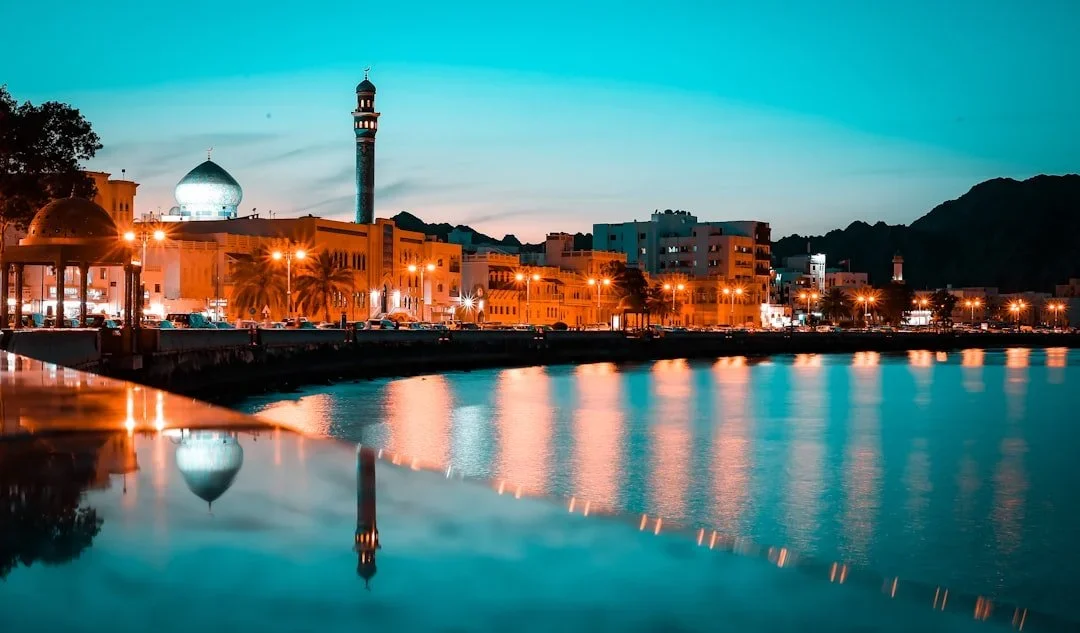
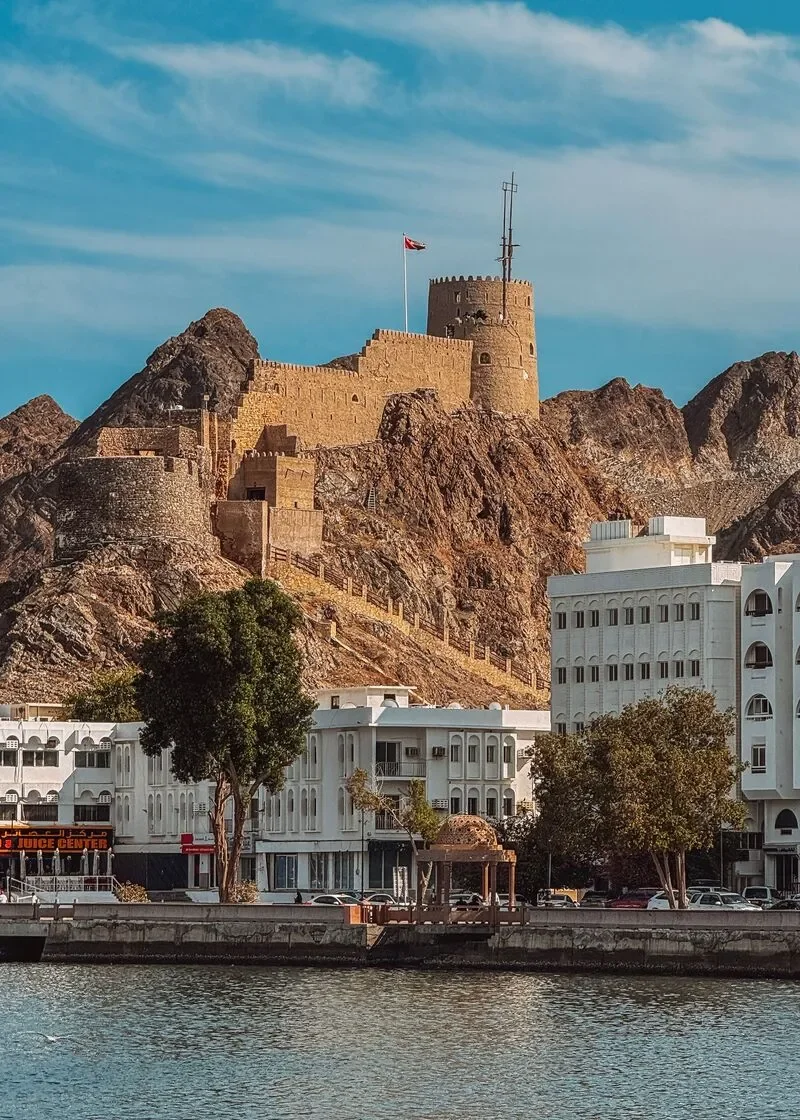
Explore Muttrah Souq & Walk the Muttrah Corniche
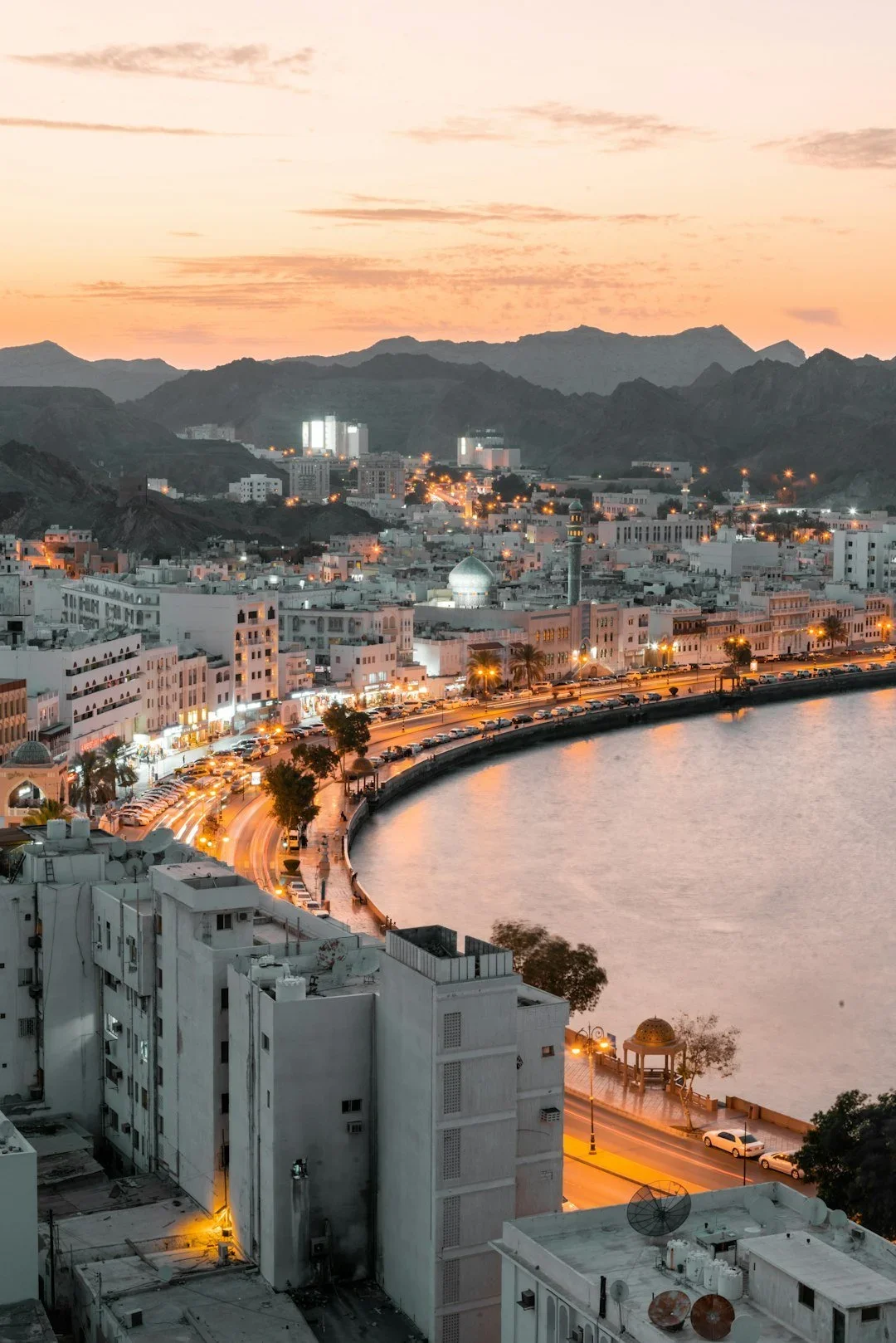
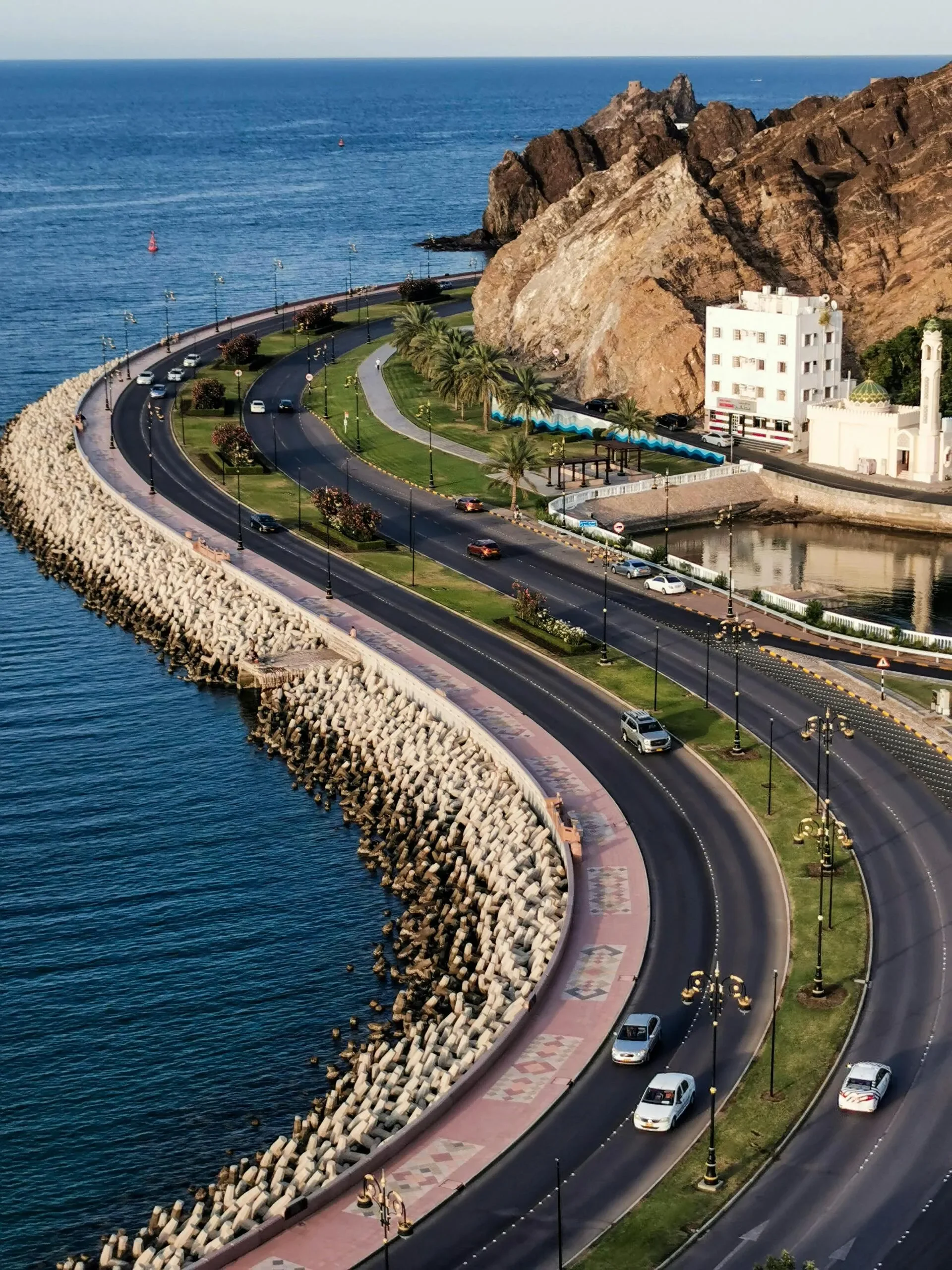
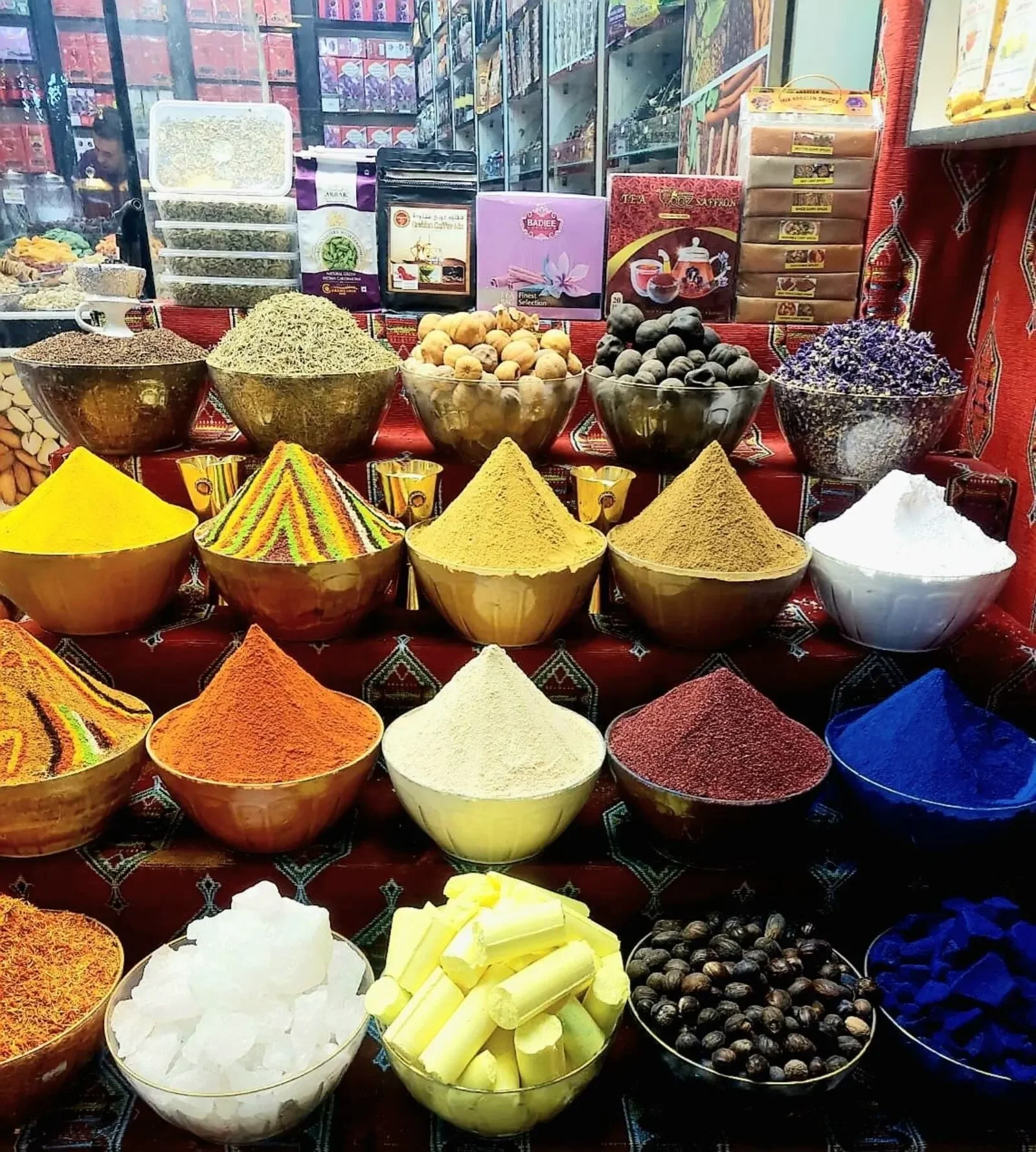
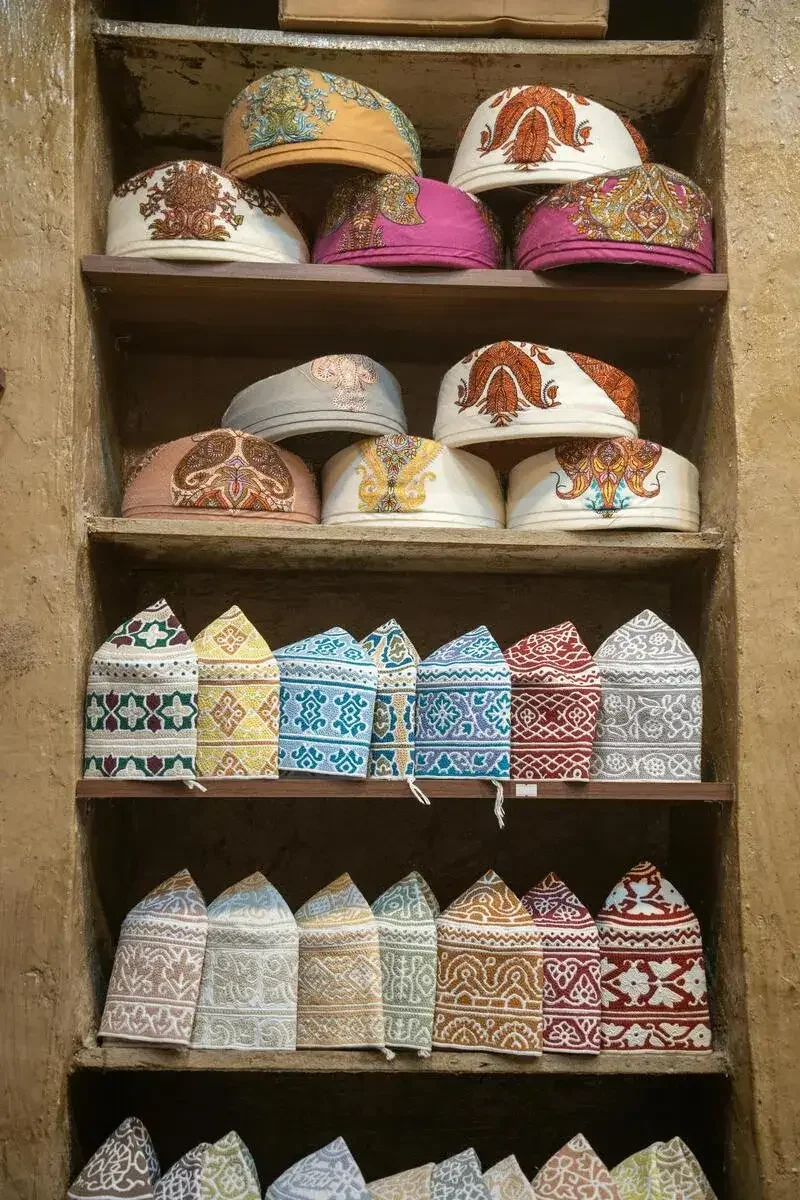
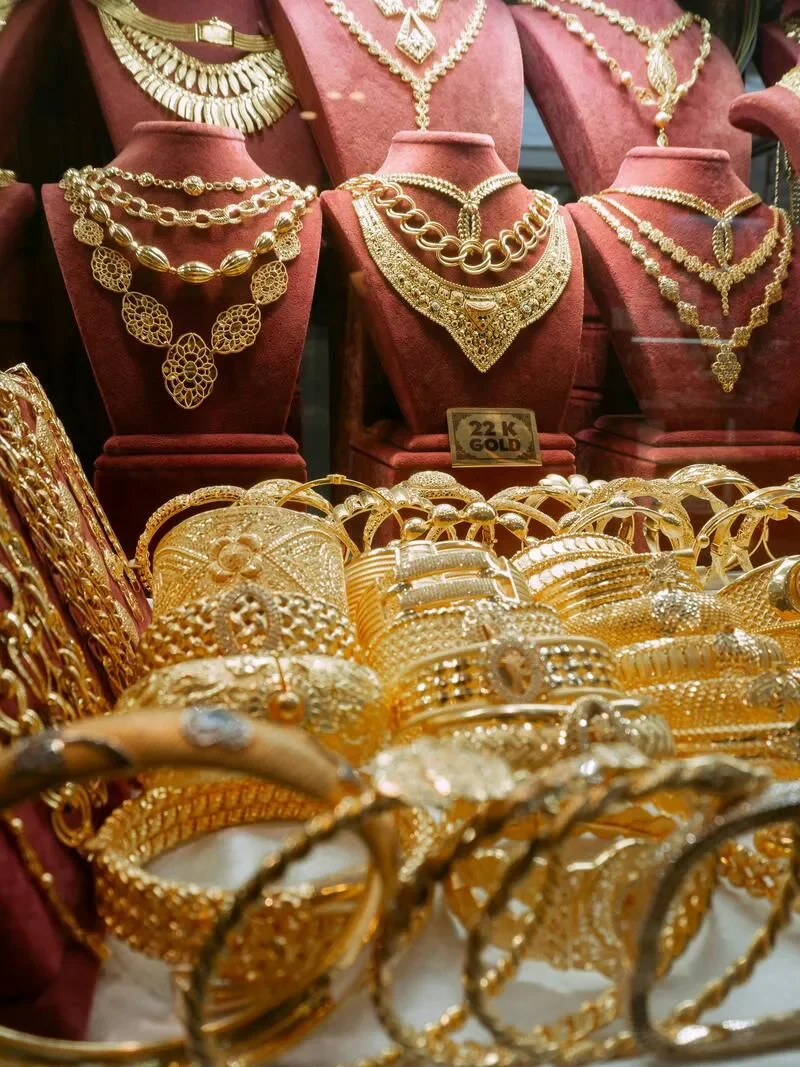
Wander through one of Oman’s oldest traditional markets filled with perfumes, spices, silver jewellery, textiles, and handcrafted souvenirs before strolling along the scenic Mutrah Corniche waterfront. Surrounded by mountains, forts, tradional dhows, cafés, and historic buildings, this area captures the atmosphere of old Muscat.
-
![]()
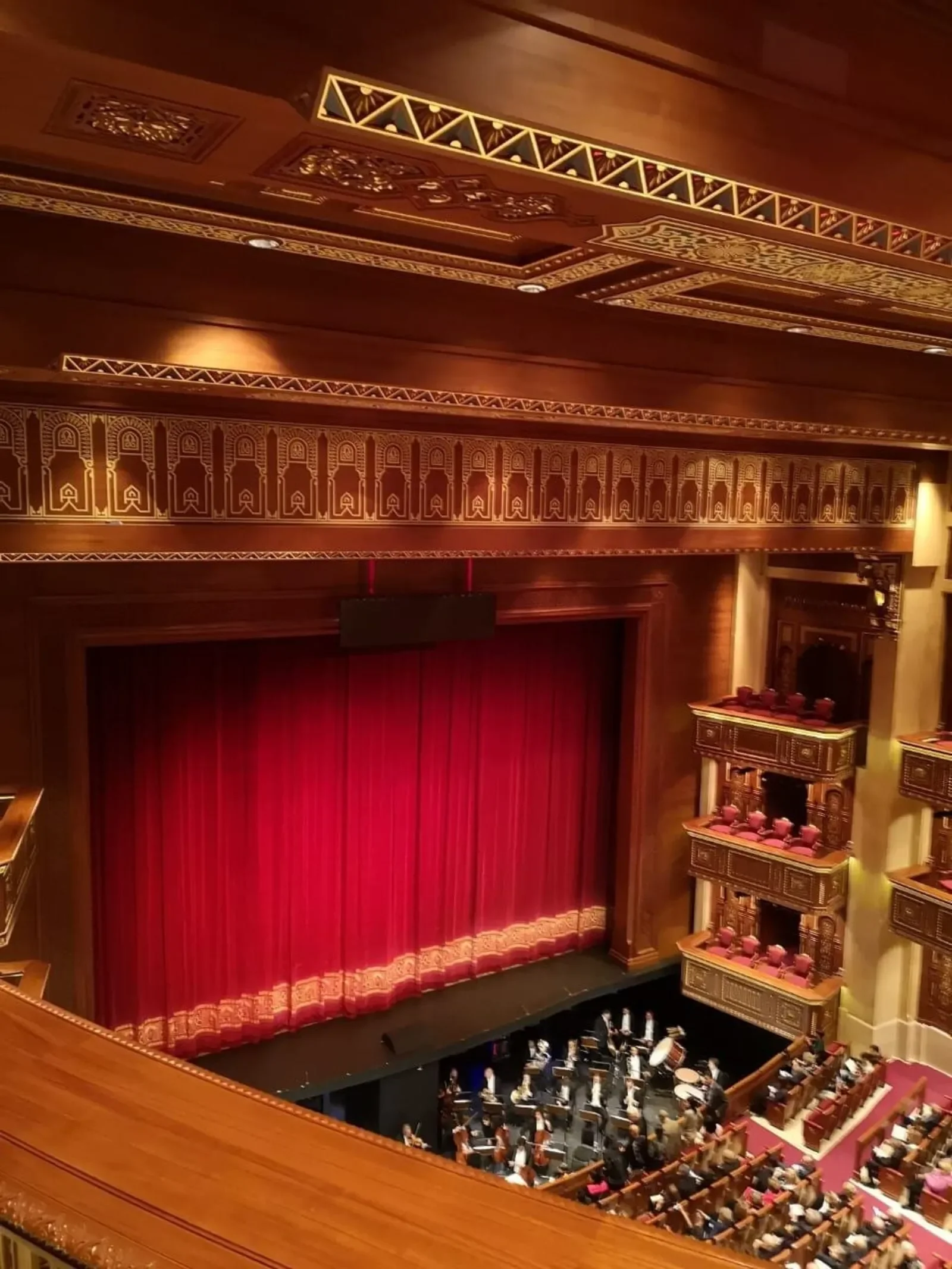
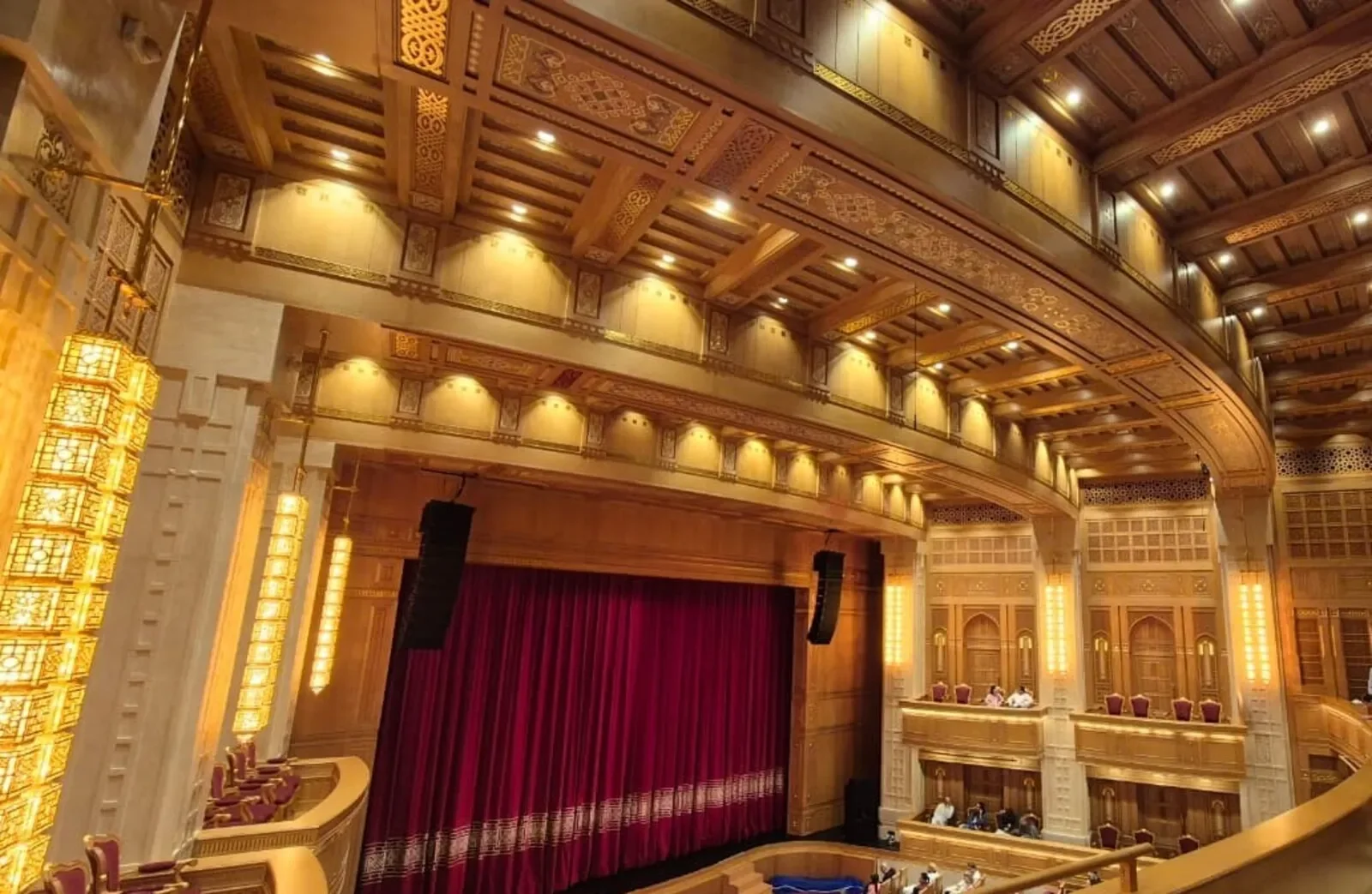
Tour the Royal Opera House Muscat
A symbol of Oman’s modern cultural identity, the Royal Opera House Muscat combines elegant Islamic-inspired architecture with world-class performances, concerts, and cultural events. Visitors can admire the building itself or attend performances throughout the year.
-
![]()
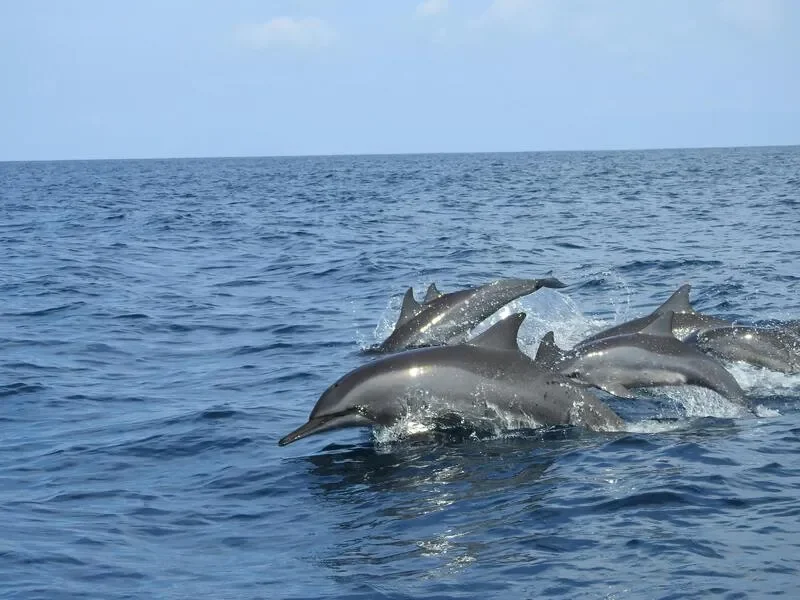
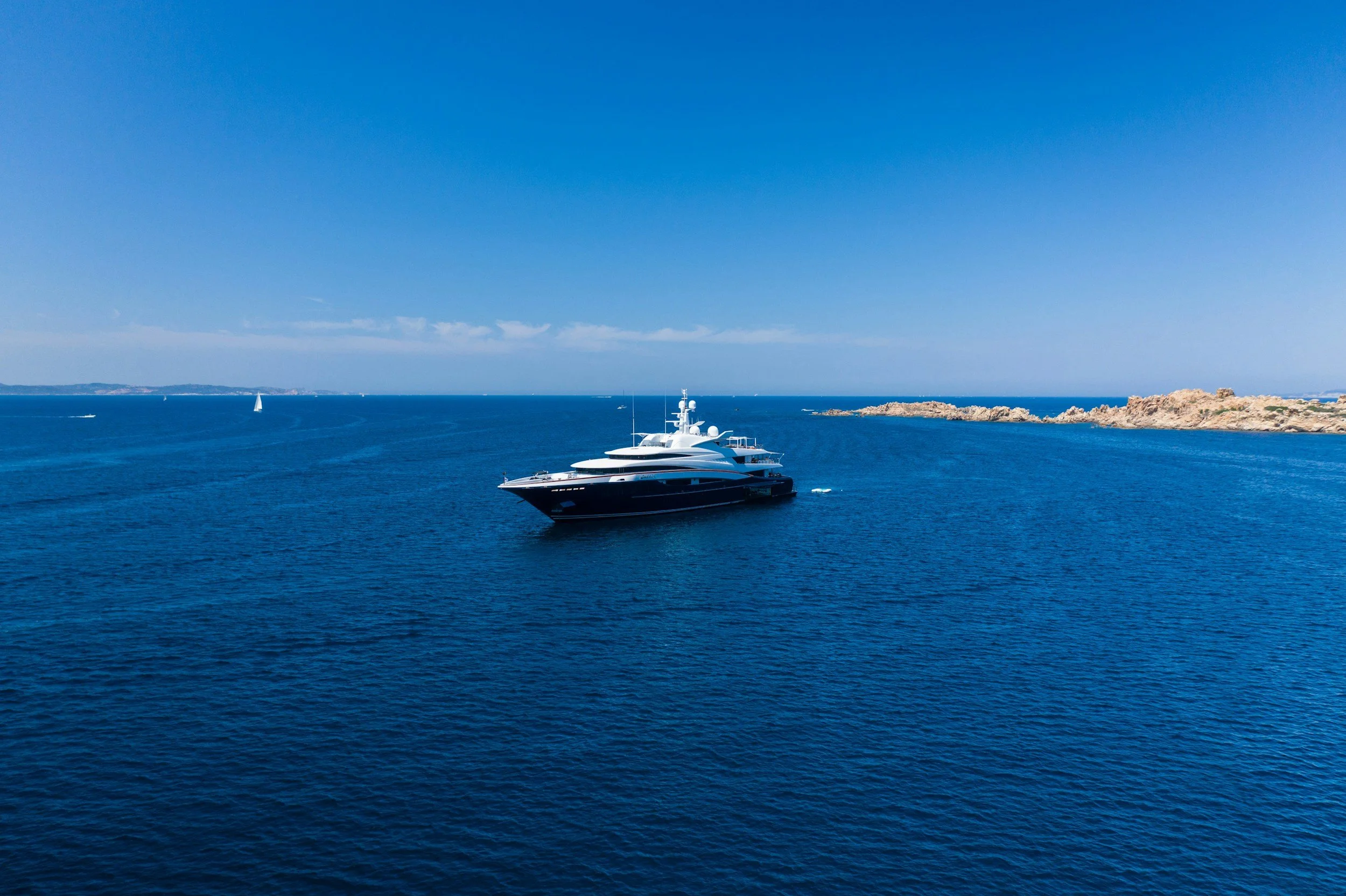
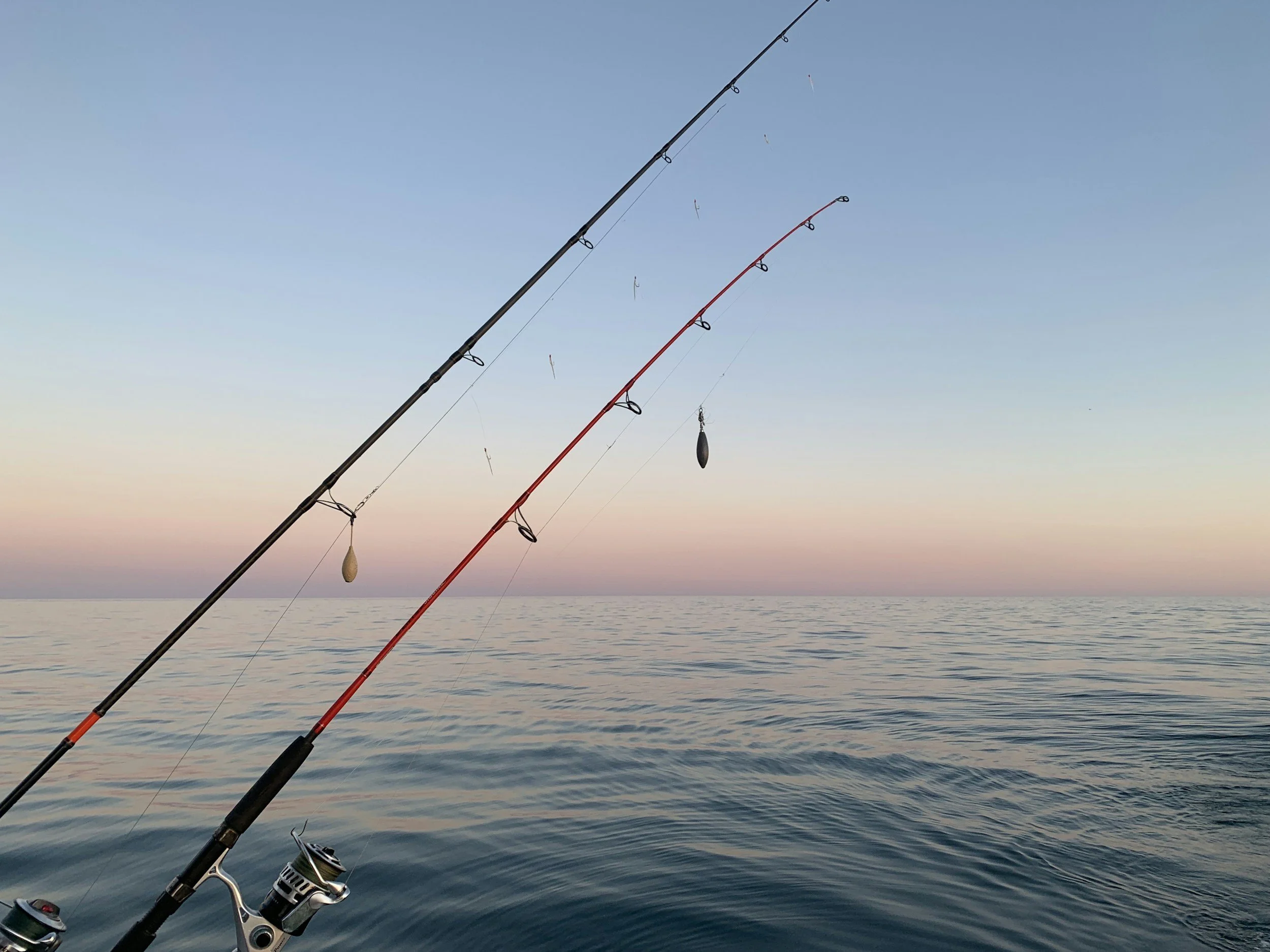
Join a Dolphin Watching Cruise Along the Coast
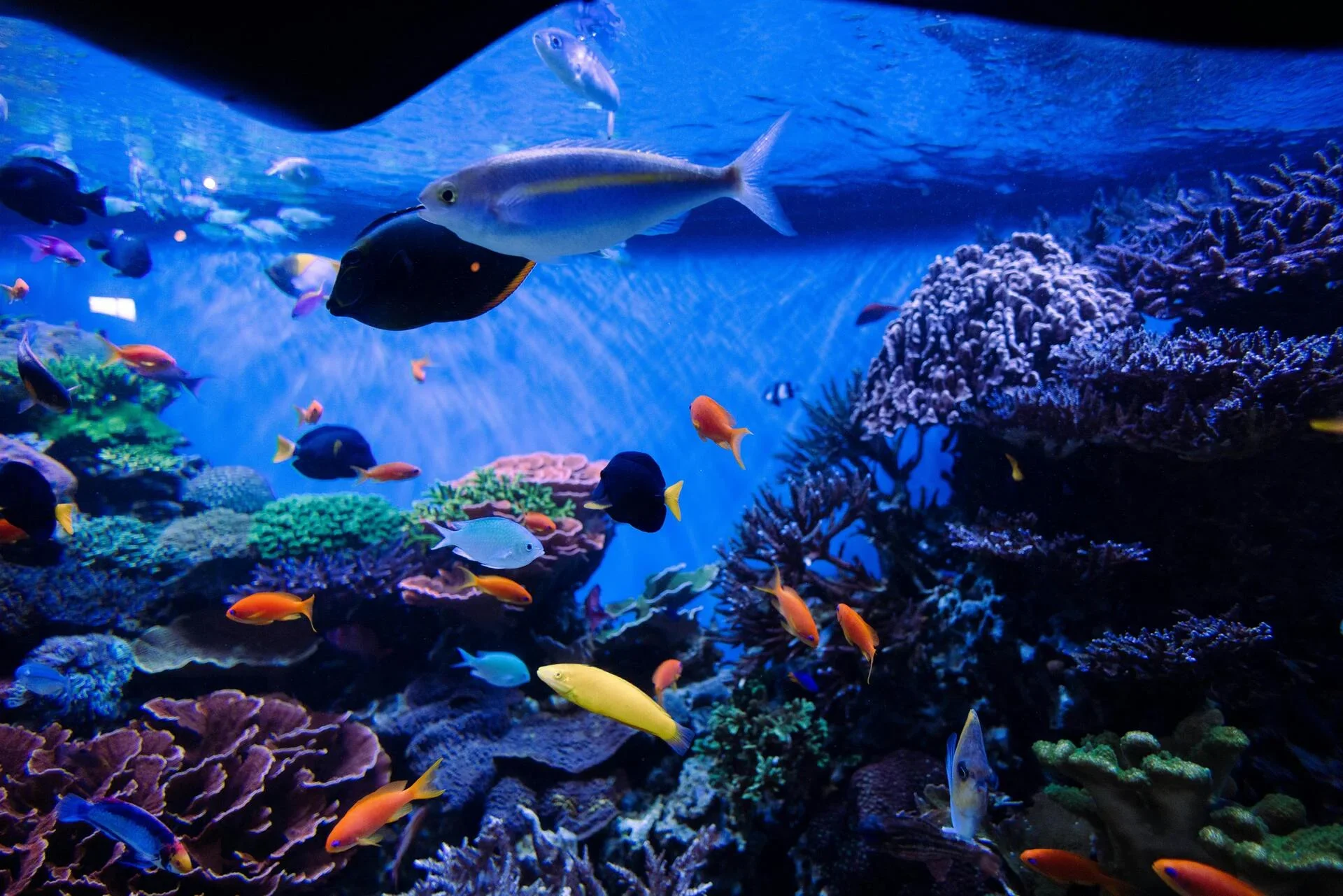
Set out on a boat tour from Muscat and experience one of the city’s most memorable marine adventures. Cruise along Muscat’s coastline, where rugged mountains meet the Arabian Sea, while watching for playful dolphins swimming freely in their natural habitat.
-
![Ancient castle or fortress on a rocky hilltop with a flagpole flying a white, red, and green flag, against a clear blue sky.]()
Explore Muttrah Fort Views Over the Harbour
Perched above the historic waterfront, Muttrah Fort offers sweeping panoramic views across Muttrah Harbour, the Corniche, and the surrounding mountains. Climb to the watchtowers to enjoy stunning perspectives of traditional fishing boats, the bustling waterfront, and the historic district stretching along the coastline below.
-
![A wooden pirate ship docked at a marina, surrounded by water, with construction cranes and cloudy sky in the background.]()
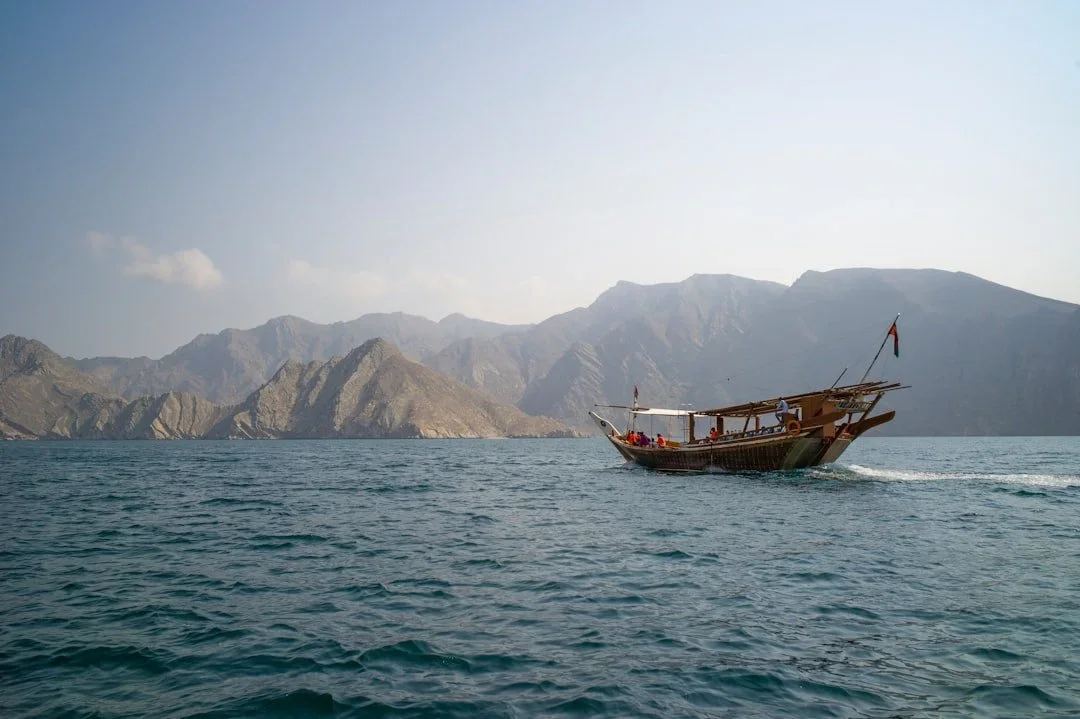
Experience a Sunset Dhow Cruise
Step aboard a traditional Omani dhow and enjoy a peaceful cruise along Muscat’s spectacular coastline as the day draws to a close. As the sun sets behind the rugged mountains, golden light reflects across the Arabian Sea, creating unforgettable views of Muscat’s harbours, historic forts, waterfront landmarks, and elegant skyline.
About Muscat
-
15–40 minutes from Muscat International Airport to city areas
-
Best visited from October to April
-
Capital city of Oman
-
Strong mix of heritage, modern areas and coastline
-
Gateway to wadis, deserts and islands
-
Best explored by rental car
Taxis are available
Very limited public transport
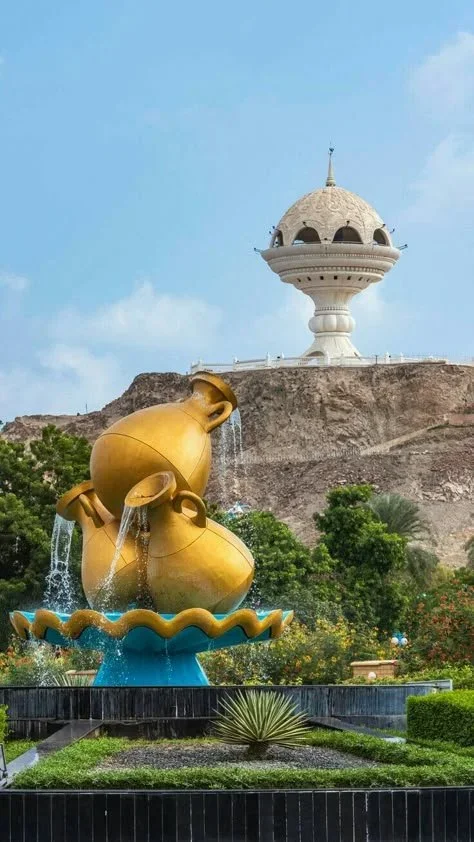
Muscat is the capital and largest city of Oman, renowned for its unique combination of natural beauty, rich heritage, and modern sophistication. Stretching along the Gulf of Oman between the Hajar Mountains and the Arabian Sea, Muscat offers a landscape unlike any other city in the region, where rugged peaks, secluded coves, golden beaches, and historic harbours exist side by side.
For centuries, Muscat has played an important role as a maritime trading hub connecting Arabia, East Africa, India, and beyond. This legacy can still be seen throughout the city, from its historic forts and traditional souqs to its bustling waterfronts and enduring seafaring culture. The city's history is reflected in landmarks such as old defensive fortifications, museums, and the atmospheric streets of Muttrah.
Today, Muscat is celebrated for balancing progress with preservation. The city is characterized by elegant low-rise architecture, carefully maintained public spaces, and a strong commitment to protecting its cultural identity.
Visitors can explore grand mosques, vibrant markets, world-class museums, luxury resorts, scenic mountain viewpoints, and a coastline dotted with beaches, marinas, and hidden bays.
Muscat also serves as the perfect starting point for discovering Oman. Many of the country's most iconic attractions—including mountain ranges, wadis, desert landscapes, coastal villages, and wildlife-rich islands—are easily accessible from the capital.
Whether you're seeking cultural immersion, outdoor adventure, family-friendly experiences, luxury escapes, or authentic local encounters, Muscat offers a welcoming introduction to the spirit, heritage, and natural beauty of Oman.
Location
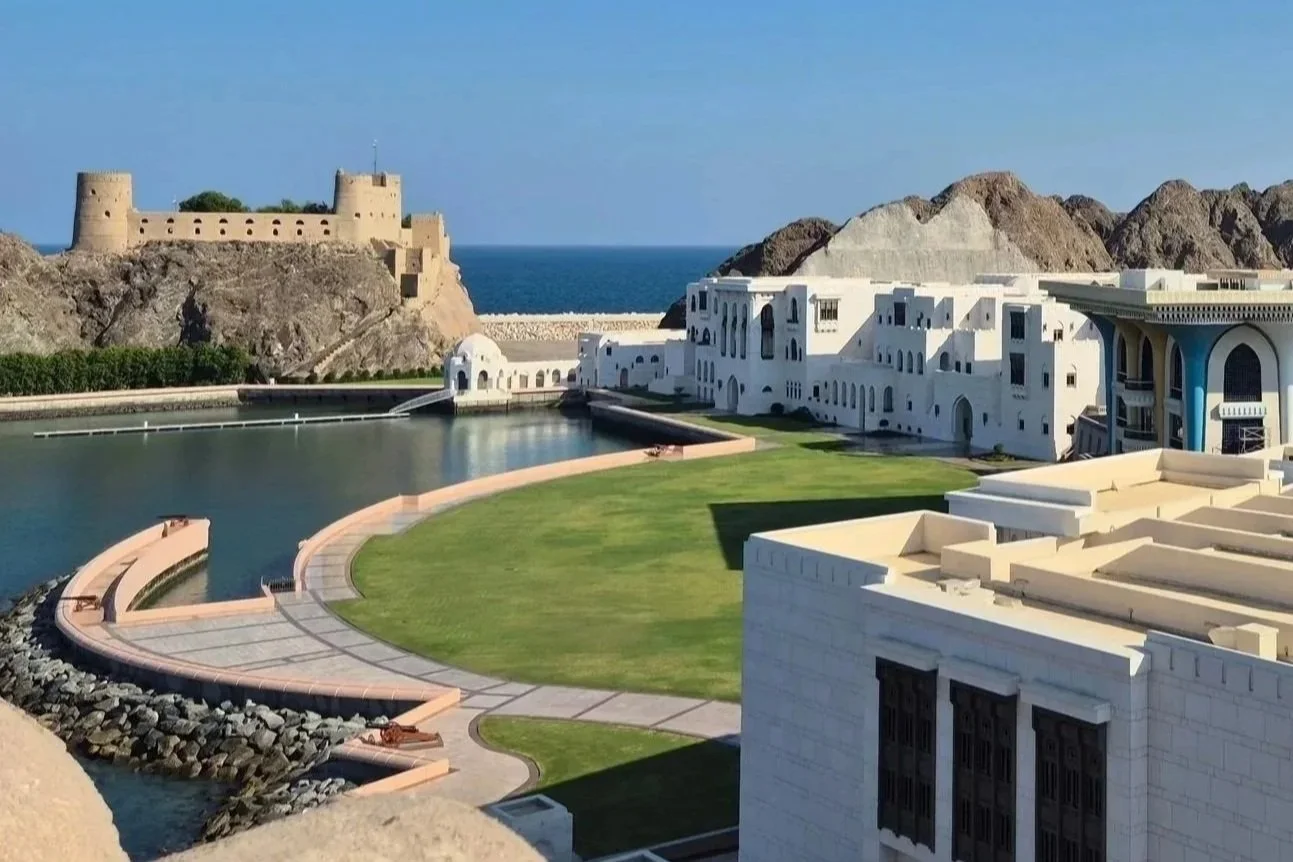
Muscat is located on the northern coast of Oman, stretching along a long coastal corridor between the Hajar Mountains and the Arabian Sea. The city is made up of several districts including Old Muscat, Mutrah, Qurum, and the modern Al Mouj area.
-
How To Reach
Muscat is easily accessible through Muscat International Airport, the main international gateway to Oman. The airport is well-connected to Europe, the Middle East, and Asia with direct flights from major cities.
From the airport:
Taxis are readily available outside arrivals
Ride-hailing apps such as OTaxi operate in the city
Car rentals are highly recommended for full flexibility, especially for exploring outside Muscat
-
Getting Around
Muscat is a spread-out city, so transport plays an important role in your experience. While taxis are available, they are not always the most efficient option for sightseeing.
Renting a car is the most practical way to explore
Taxis are available
Driving is straightforward, with well-maintained coastal highways
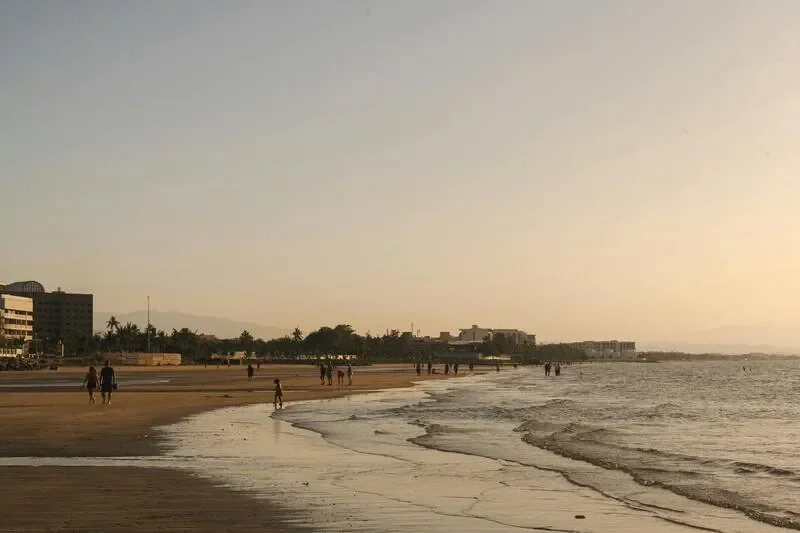
Walking is best limited to specific areas like Mutrah Corniche or Qurum Beach
-
Best Time to Visit
The best time to visit Muscat is October to April, when the weather is pleasantly warm and ideal for sightseeing, beaches, dhow cruises, wadis, and cultural attractions. This is the peak travel season with calm seas and comfortable outdoor conditions.
Summer (May to September) is very hot and humid, and better for indoor experiences and quieter travel.Winter months (Nov–Feb): perfect for sightseeing and outdoor adventures
Spring (Mar–Apr): warmer but still pleasant
Summer (May–Sep): very hot and humid, but fewer tourists
Things To Do In Muscat








Places To Stay In Muscat
Places To Dine In Muscat
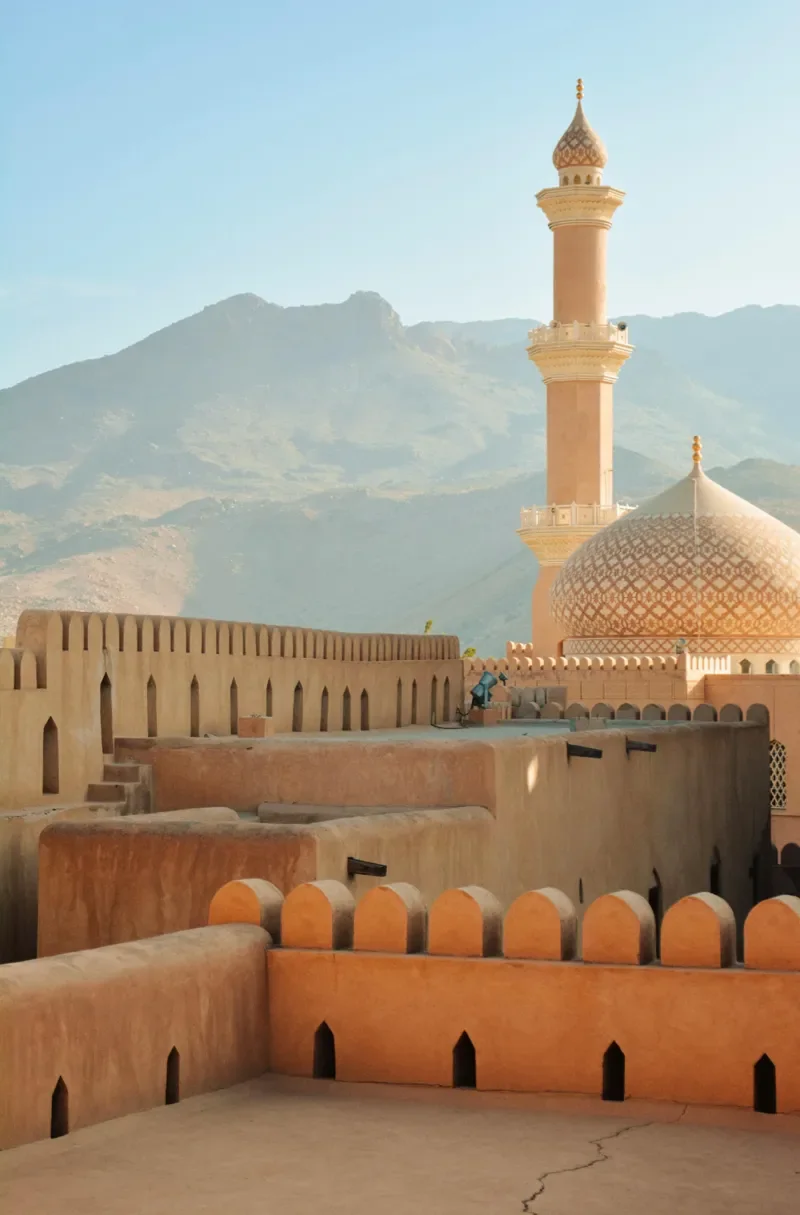
Explore More Destinations
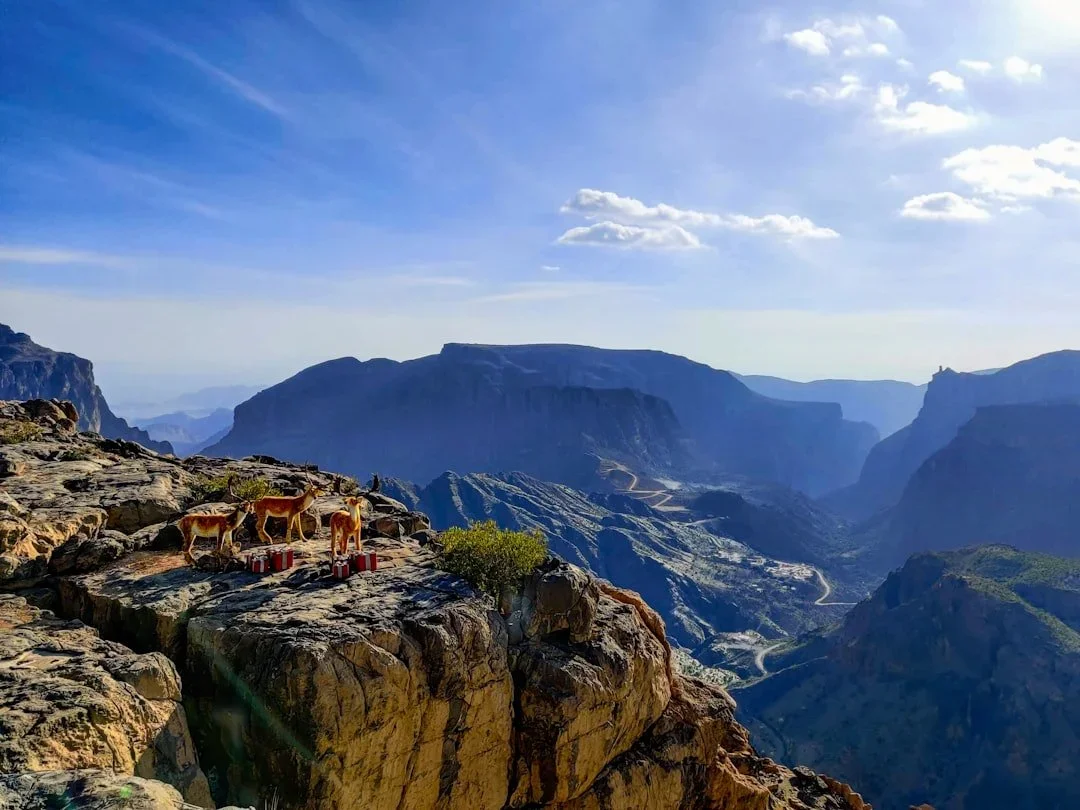
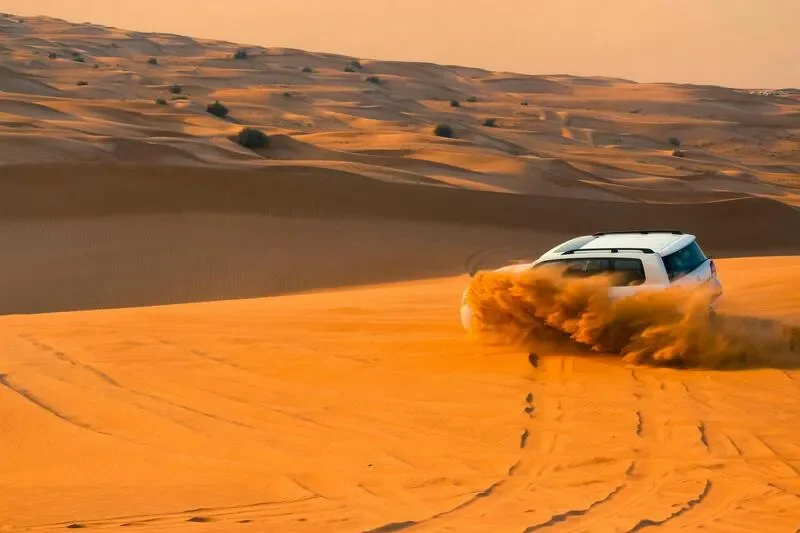
Discover more of Oman’s diverse destinations — from mountain landscapes and endless desert dunes to historic towns, coastal escapes, and hidden natural gems across the country
Everything You Need For Your Journey
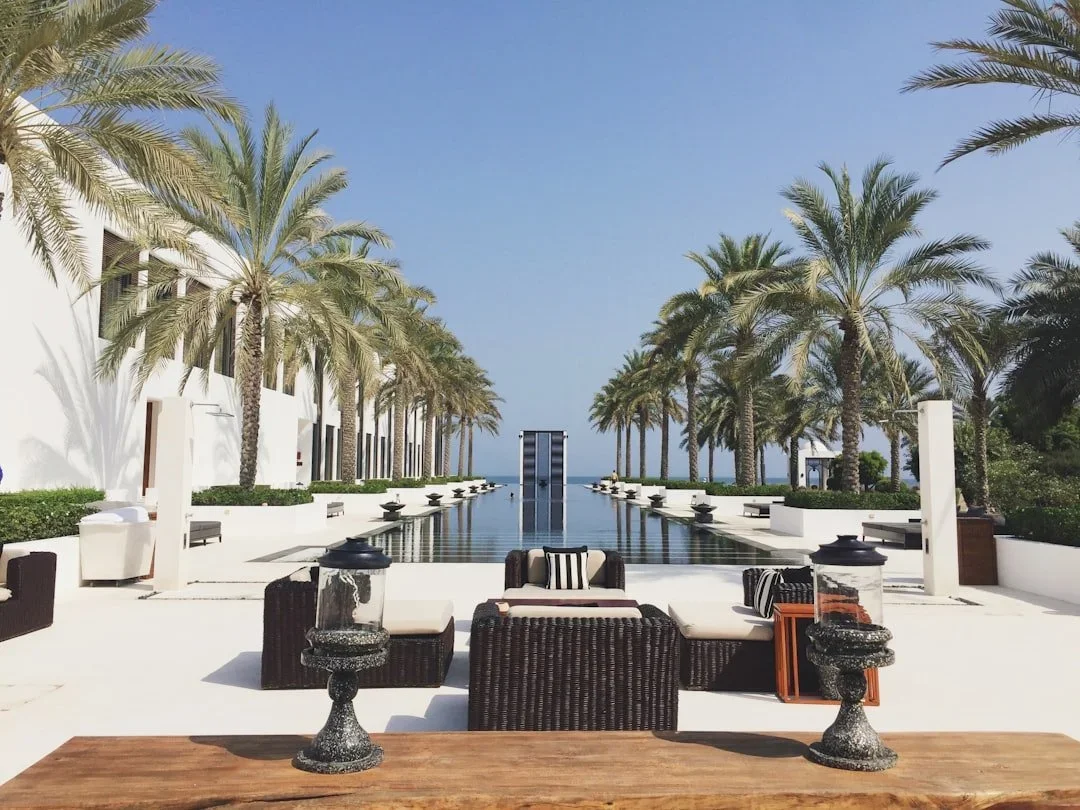
A curated collection of essential travel resources to help you plan your journey through Oman with ease. Explore trusted hotel options, transport services, dining recommendations, and local tour operators — all in one place to help you design a seamless and well-connected travel experience.



Need Help Planning Your Oman Adventure?
Get a personalized itinerary with curated experiences, local recommendations, and the best routes across the Sultanate with the help of Oman Travel Hub