
First-Time Visitor's Guide to Oman: Everything You Need to Know Before You Go
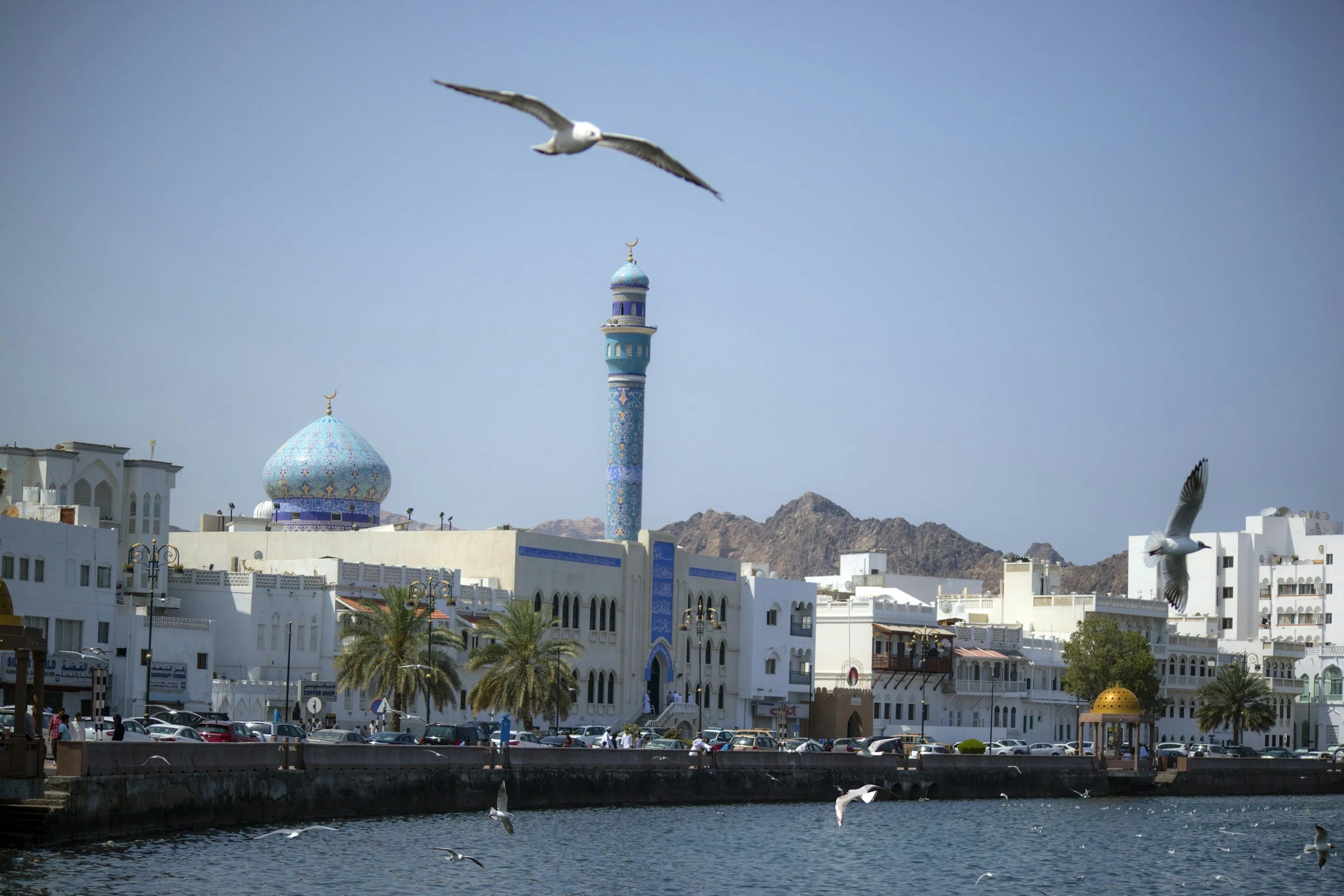
Discover a country where ancient forts stand beside modern cities, rugged mountains meet turquoise waters, and vast deserts stretch beneath endless skies. Oman offers travellers something increasingly rare — an authentic Arabian experience filled with natural beauty, rich traditions, and genuine hospitality.
Whether you are planning your first visit to the Arabian Peninsula or searching for a destination that combines adventure, culture, and relaxation, Oman is a country that rewards curiosity. From exploring the historic streets of Muscat to camping beneath the stars in the Wahiba Sands, every journey reveals a different side of this fascinating land.
This first-time visitor’s guide to Oman will help you understand what to expect, where to go, how to prepare, and how to make the most of your adventure.
Welcome to Oman: A Land of Mountains, Deserts and Timeless Traditions
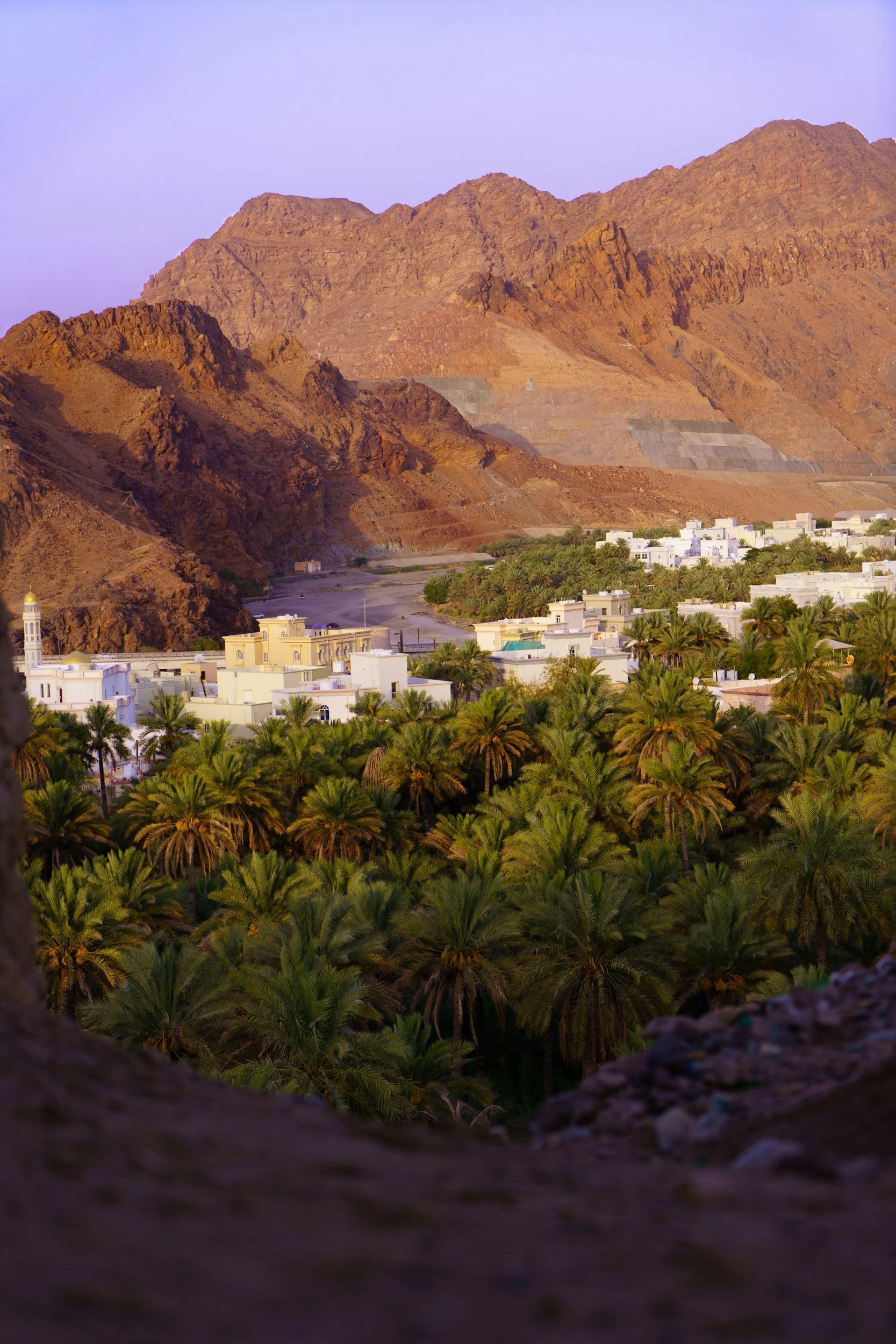
Located on the southeastern corner of the Arabian Peninsula, Oman is a country of remarkable contrasts. Its landscapes range from stunning mountain ranges and deep canyons to golden deserts, lush valleys, and a coastline stretching for more than 3,000 kilometres along the Arabian Sea and Gulf of Oman.
Unlike some destinations in the region known mainly for modern skylines and luxury shopping, Oman’s charm lies in its connection to nature, history, and tradition. Ancient forts, traditional villages, bustling souqs, and centuries-old customs remain an important part of everyday life.
For first-time visitors, Oman offers the opportunity to experience Arabia at a slower pace — where hospitality is heartfelt, landscapes are untouched, and every region tells its own story.
Why Oman Should Be Your Next Travel Destination
-
Authentic Arabian Experiences
Oman provides a glimpse into a traditional side of the Arabian Peninsula. Wander through the narrow lanes of old markets, watch craftsmen create traditional products, enjoy Omani coffee with dates, and experience the warmth of local hospitality.
The country has preserved much of its cultural identity while welcoming visitors from around the world.
-
Incredible Natural Diversity
Few destinations offer such a variety of landscapes within one country. In a single trip, you can:
Watch sunrise from mountain viewpoints over beautiful valleys
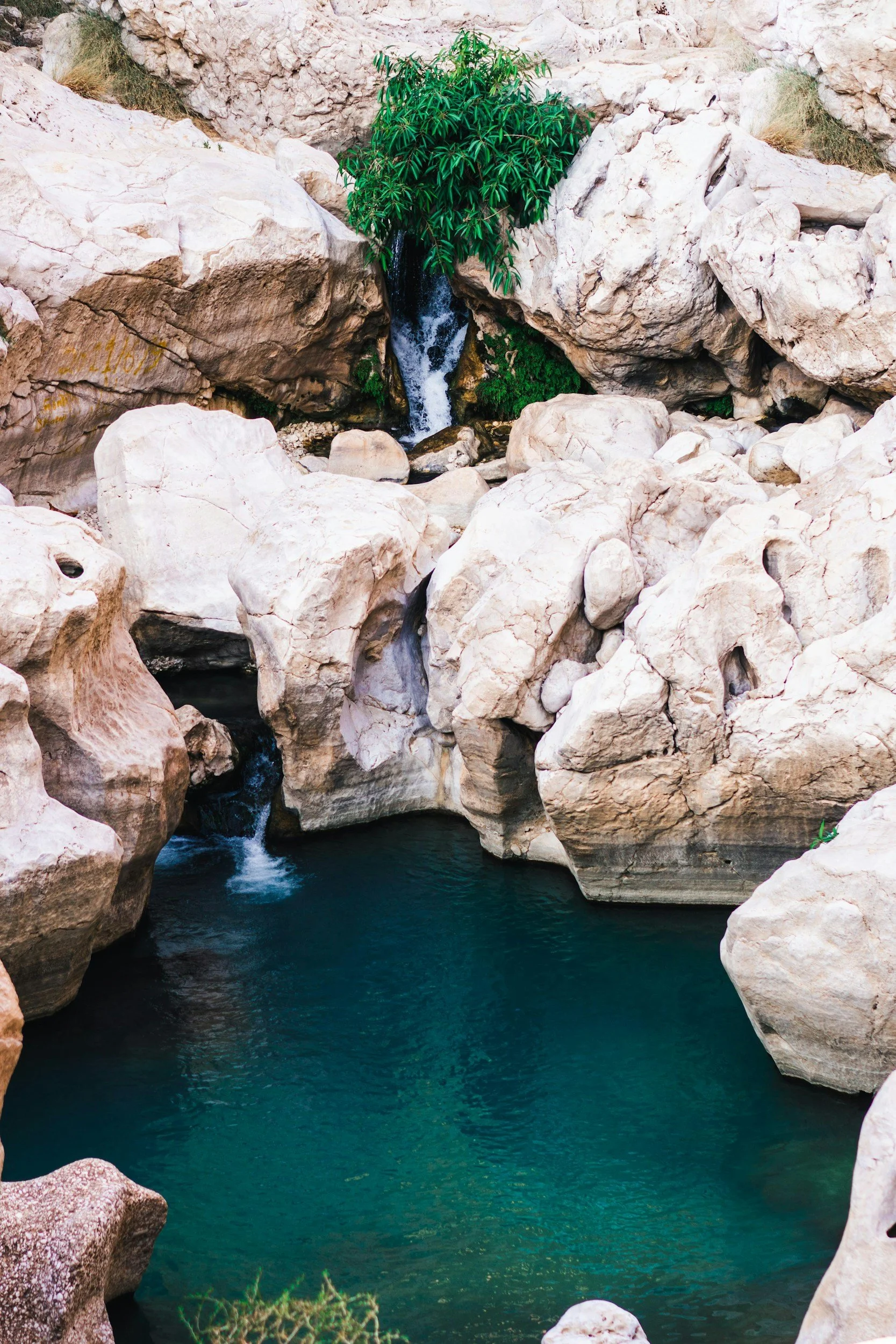
Swim in crystal-clear natural pools hidden inside wadis
Explore endless desert dunes
Spot dolphins and turtles along the coastline
Walk through lush plantations during the Khareef season in Salalah
Oman is a paradise for travellers who love nature and outdoor experiences.
-
A Safe and Welcoming Destination
Oman is widely recognised as one of the safest countries in the world for travellers. Visitors often highlight the friendliness of local people, the relaxed atmosphere, and the ease of exploring independently.
Whether you are travelling as a couple, family, solo traveller, or adventure seeker, Oman offers a comfortable and welcoming environment.
Planning Your First Trip to Oman
For a first visit, 7 to 10 days is ideal to experience Oman’s highlights without rushing.
A shorter trip of 4–5 days can cover Muscat and nearby attractions, while longer journeys allow you to explore destinations such as Nizwa, Jebel Akhdar, Wahiba Sands, Sur, and Salalah.
Because Oman is a large country with diverse regions, planning your route in advance will help you make the most of your time.
Best Time to Visit Oman
The best time to visit Oman is generally from October to April, when temperatures are pleasant and ideal for sightseeing, outdoor activities, and road trips.
October – March
This is considered the peak travel season, with comfortable temperatures perfect for:
Desert camping
Hiking
Exploring forts and villages
Beach activities
Mountain adventures
April – May
Temperatures begin to rise, but early mornings and evenings remain enjoyable for many activities.
June – September
Summer can be extremely hot in many parts of Oman. However, the southern region of Salalah transforms during the Khareef season (June to September), when monsoon rains create green mountains, waterfalls, and a unique tropical atmosphere.
Getting to Oman
Most international visitors arrive through Muscat International Airport, Oman’s main gateway.
The airport connects Oman with major cities across the Middle East, Europe, Asia, and beyond. Direct flights are available from several regional hubs, making Oman an accessible destination for international travellers.
For visitors exploring southern Oman, flights to Salalah Airport provide convenient access to the Dhofar region.
Entry Requirements and Visa Information
Many travellers can visit Oman using an electronic visa system. Visa requirements depend on your nationality, so it is recommended to check the latest requirements before travelling.
Visitors should ensure their passport is valid for the required period and have accommodation details and travel plans available if requested.
Before travelling to Oman, it is important to check your visa eligibility based on nationality. To check visa eligibility, please visit the Royal Oman Police (ROP) official portal at https://evisa.rop.gov.om/visa-eligibility.
Travelers from eligible nationalities can apply for an eVisa through the official portal: https://evisa.rop.gov.om/
Getting Around Oman
Oman is a country best explored by road. The scenery between destinations is often as memorable as the destinations themselves.
Renting a Car in Oman
For most travellers, renting a car is the easiest and most flexible way to explore Oman.
Advantages include:
Freedom to stop at viewpoints and hidden attractions
Access to remote natural locations
Easier exploration beyond major cities
A regular vehicle is suitable for many popular routes, but a 4x4 vehicle is required for destinations involving mountain roads, desert driving, or off-road adventures.
View Car Rental Companies Here
Driving in Oman
Driving conditions are generally good, with modern highways connecting major regions.
Helpful tips:
Avoid long-distance driving during the hottest hours of the day
Keep extra water when travelling through remote areas
Watch for camels and animals near rural roads
Check road conditions before mountain or desert trips
Top Places to Visit in Oman on Your First Trip
-
![]()
Muscat: Where Tradition Meets Modernity
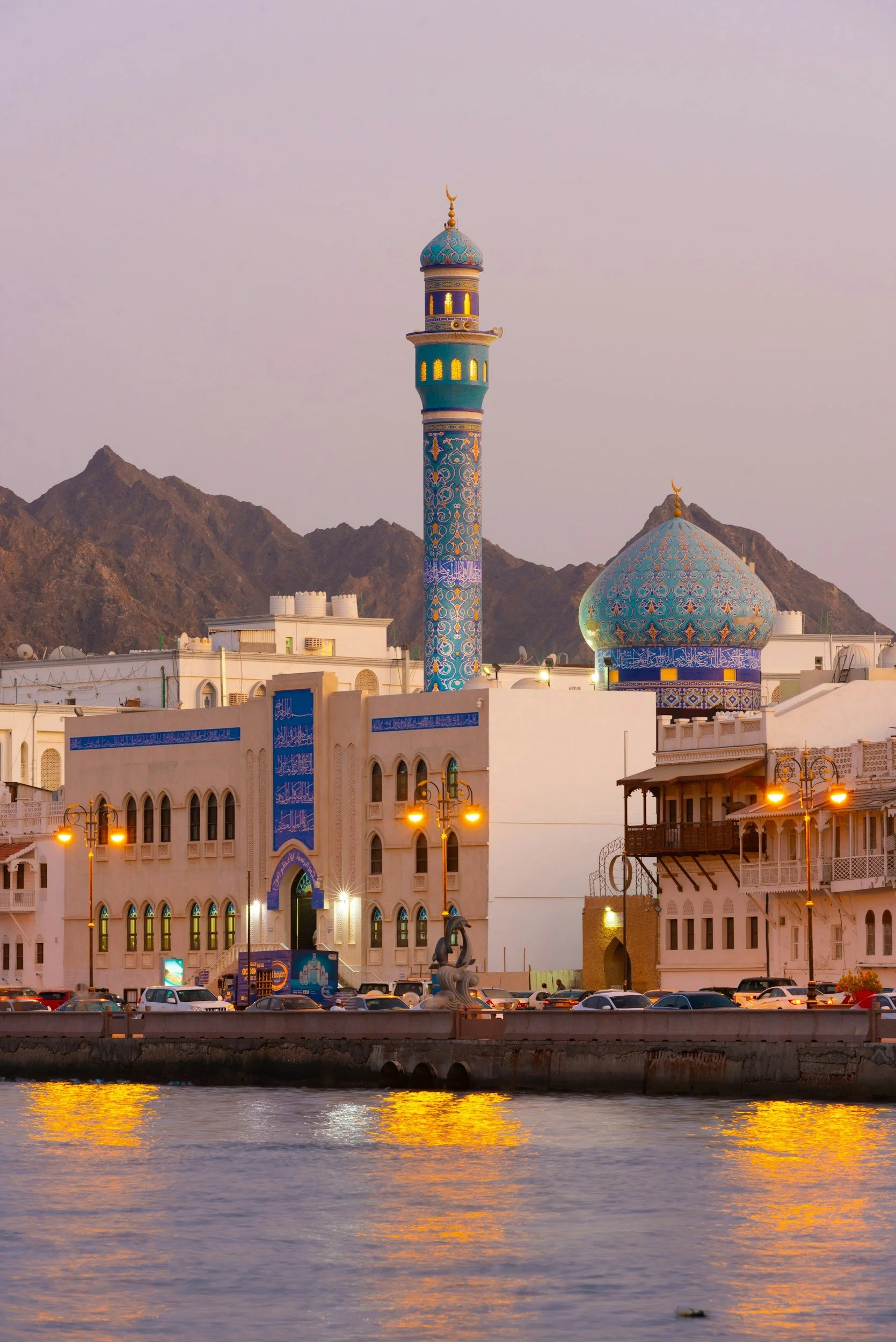
Oman’s capital city is the perfect introduction to the country. Muscat combines elegant architecture, historic landmarks, coastal scenery, and traditional markets.
Highlights include:
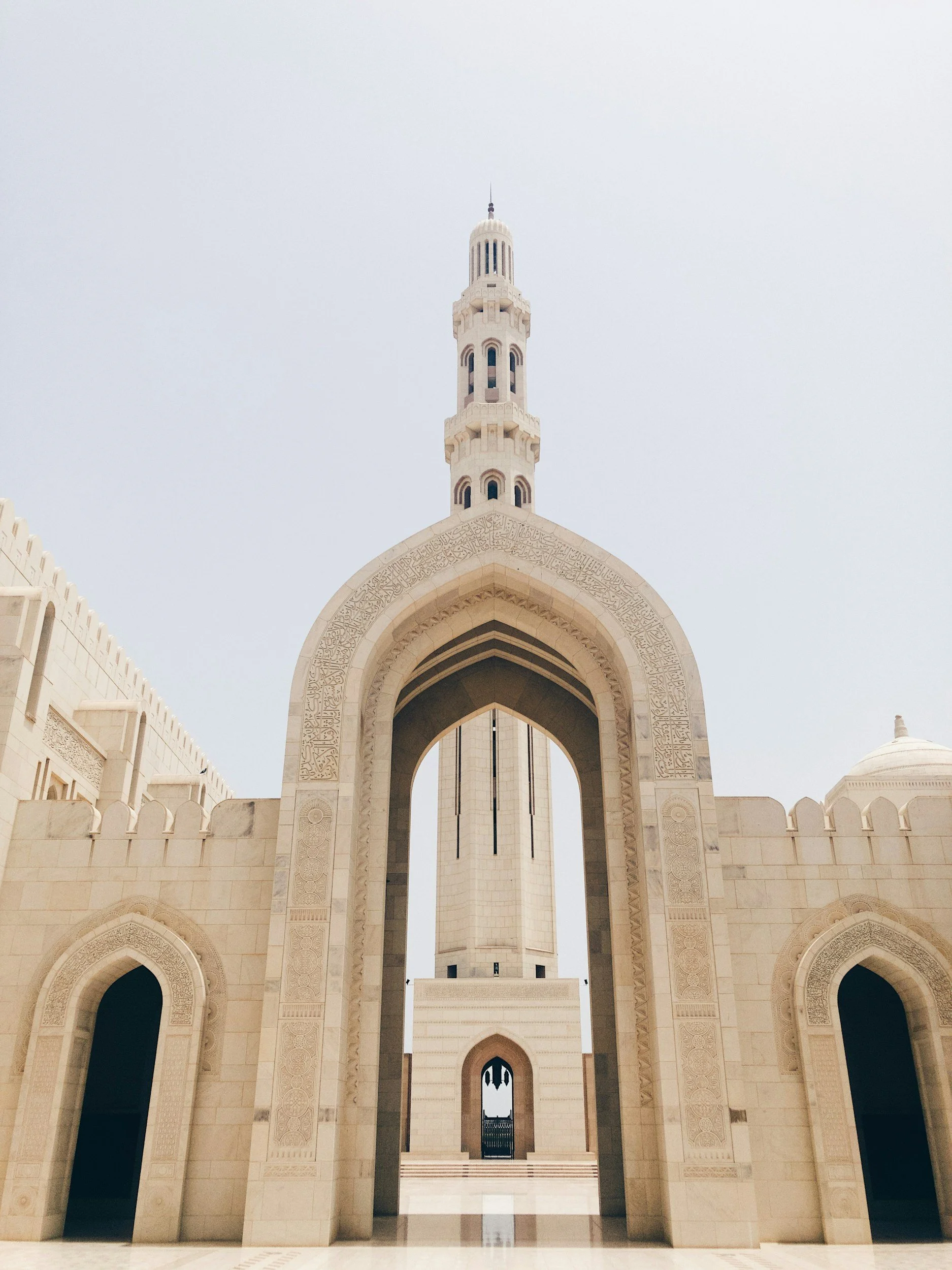
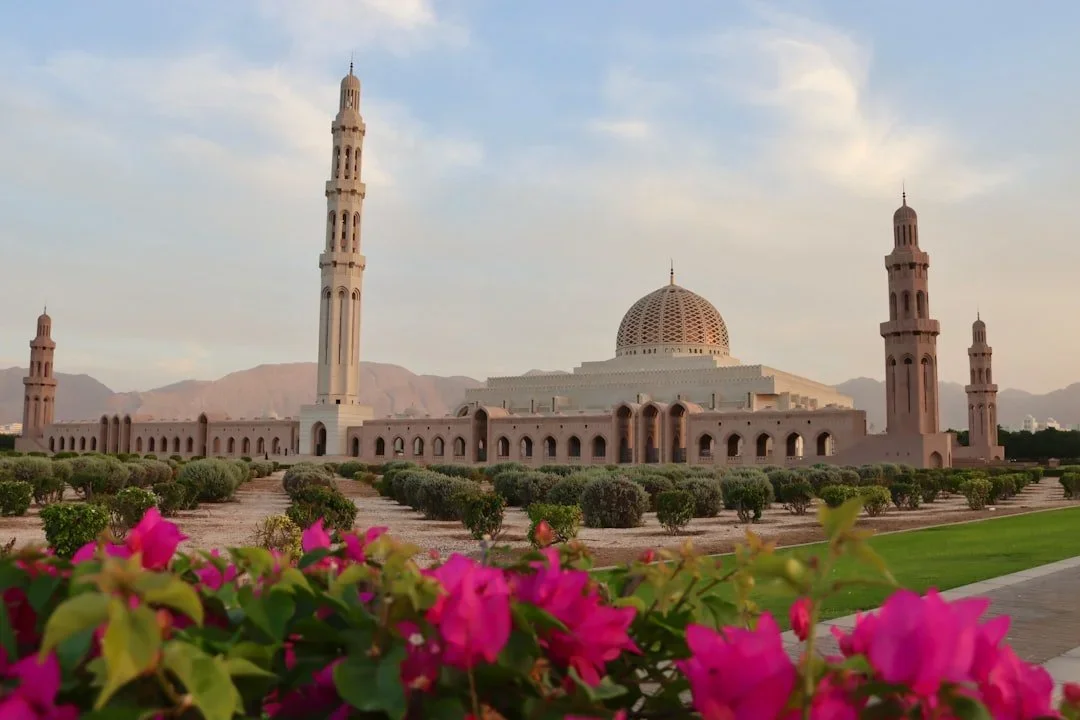
Sultan Qaboos Grand Mosque
Royal Opera House Muscat
Muttrah Souq
Al Jalali and Al Mirani forts
Qurum Beach
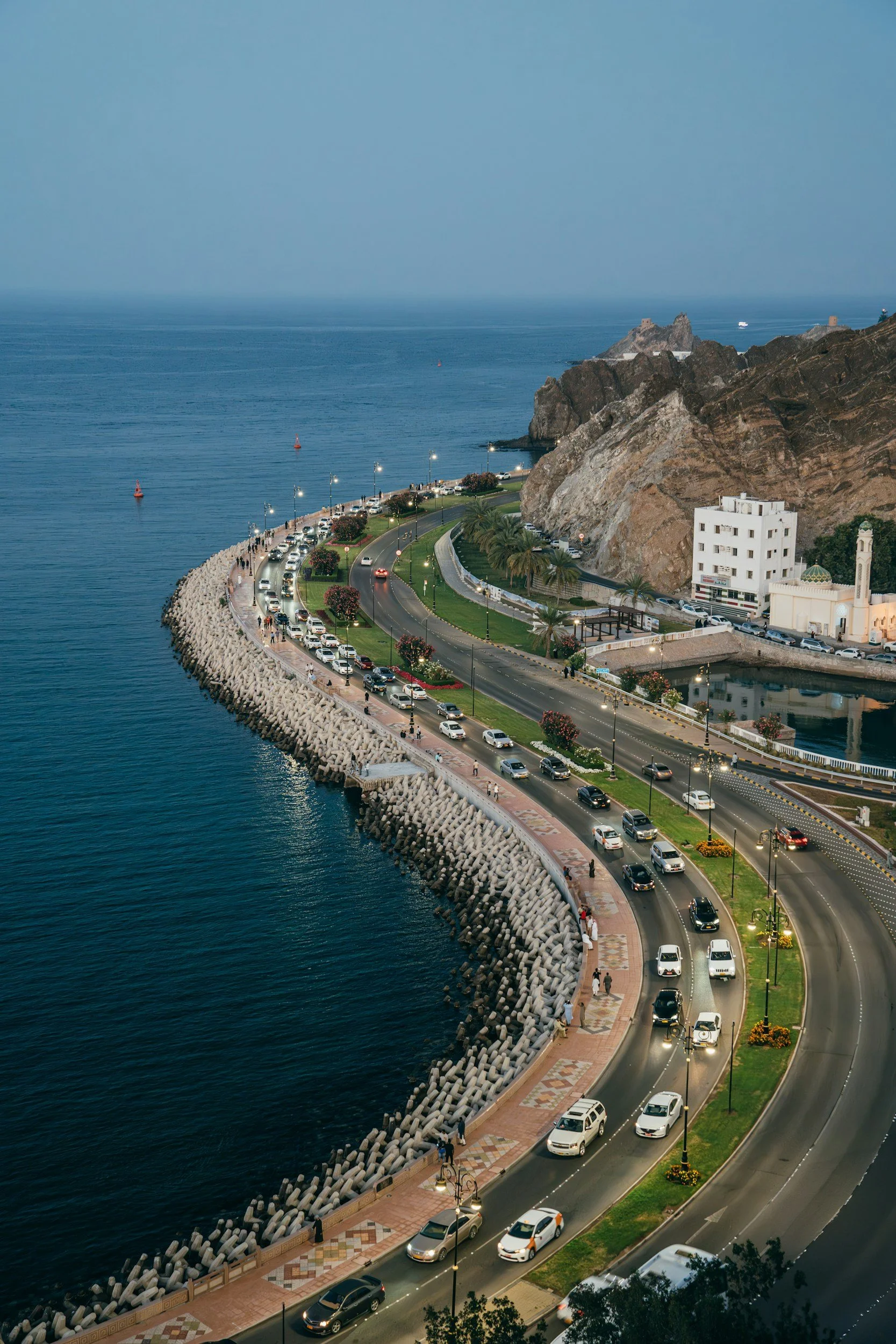
Muttrah Corniche
Unlike many capital cities, Muscat has maintained a low-rise character, with white buildings surrounded by mountains and sea.
-
![]()
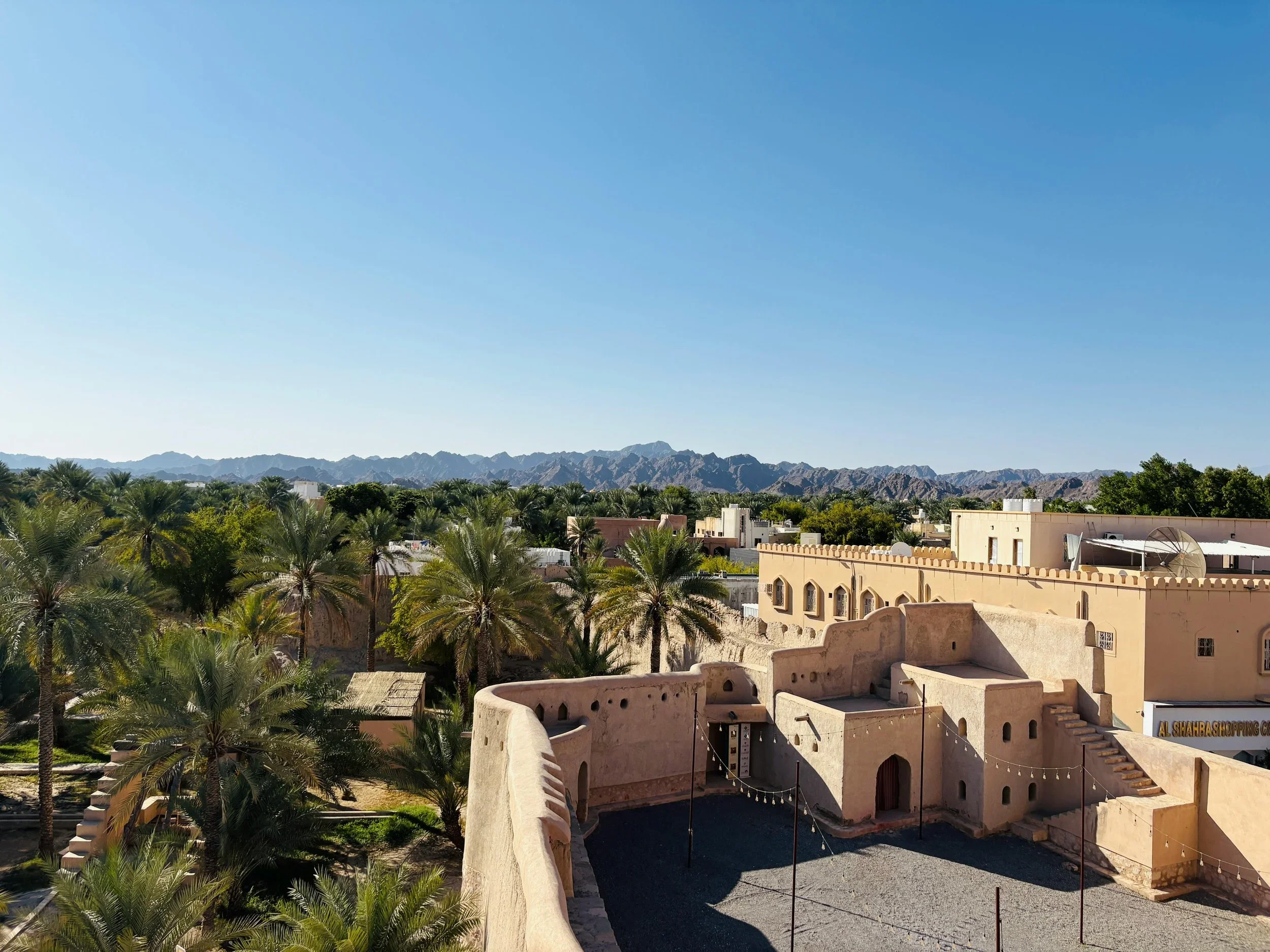
Nizwa: Oman’s Historic Heart
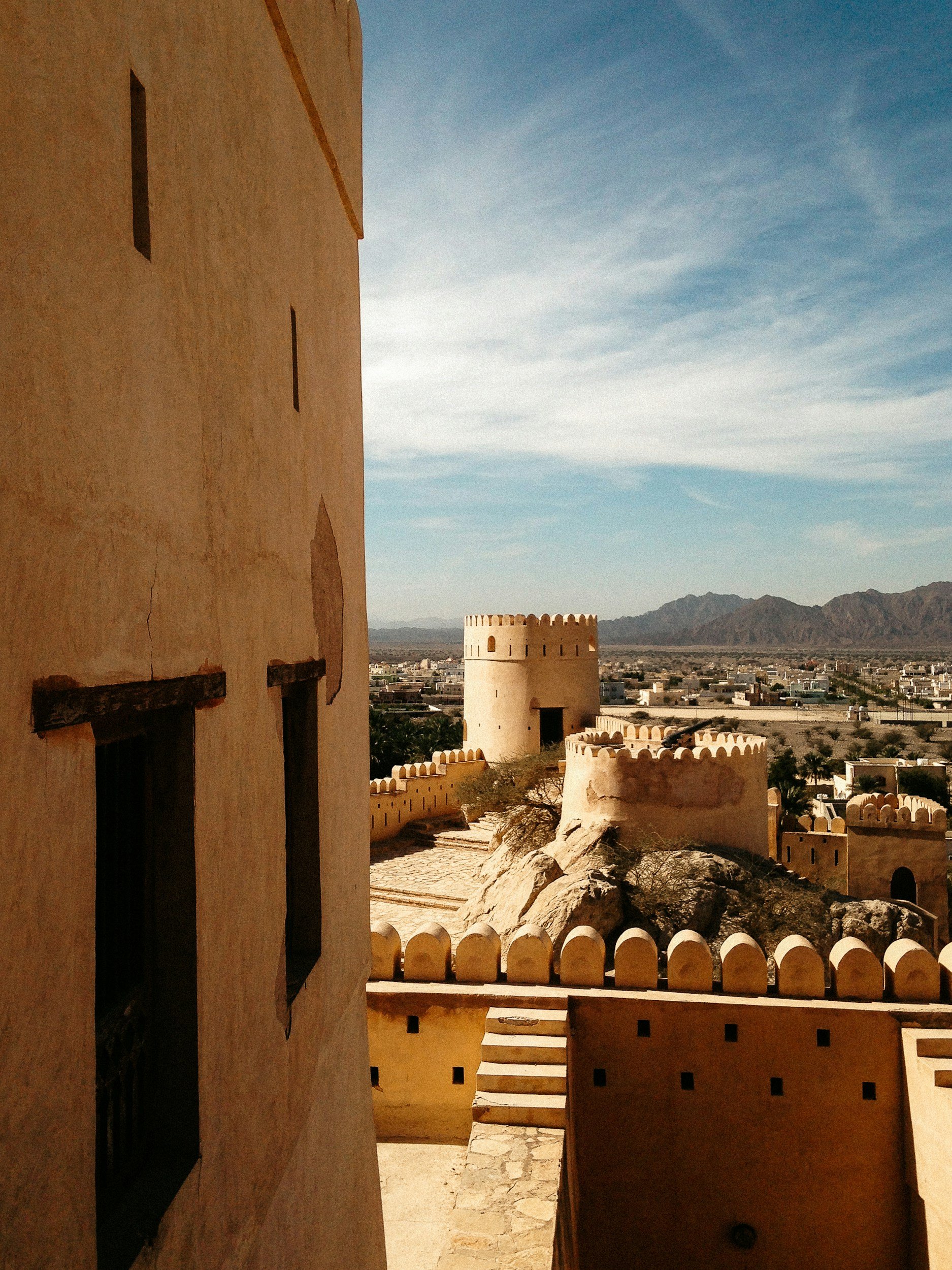
Known as Oman’s cultural capital, Nizwa is a must-visit destination for history lovers.
The city is famous for:
Nizwa Fort
Traditional souq
Omani handicrafts
Nearby mountain villages
The Nizwa Goat Market, held every Friday, offers a fascinating glimpse into local traditions and daily life.
-
![]()
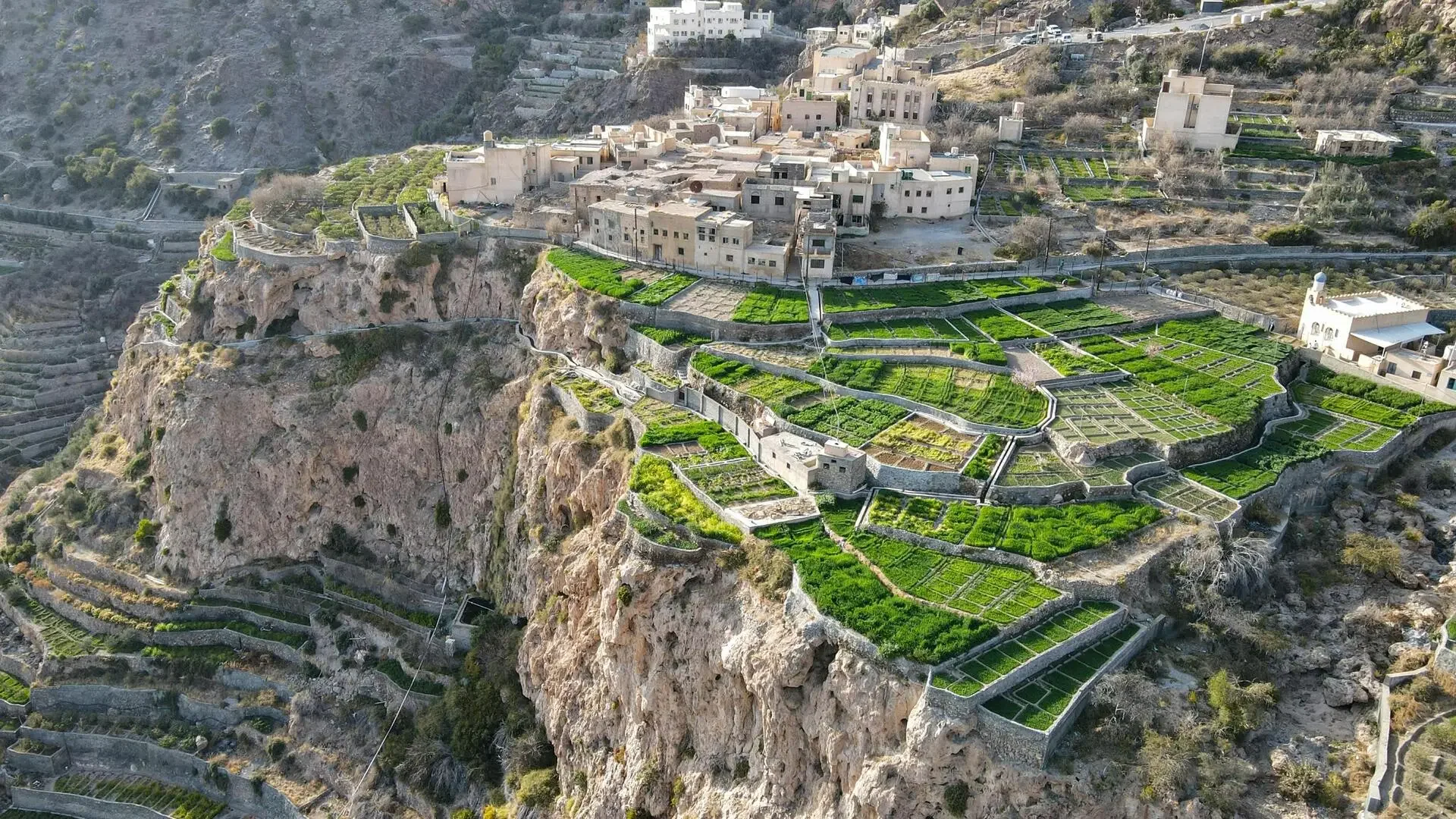
Jebel Akhdar: The Green Mountain
Located in the Al Hajar Mountains, Jebel Akhdar is known for breathtaking views, terraced farms, and cooler temperatures.
Visitors can explore:
Mountain villages
Rose gardens
Hiking trails
Scenic viewpoints
During spring, the mountain is famous for its blooming roses and fragrant rose water production.
-
![]()
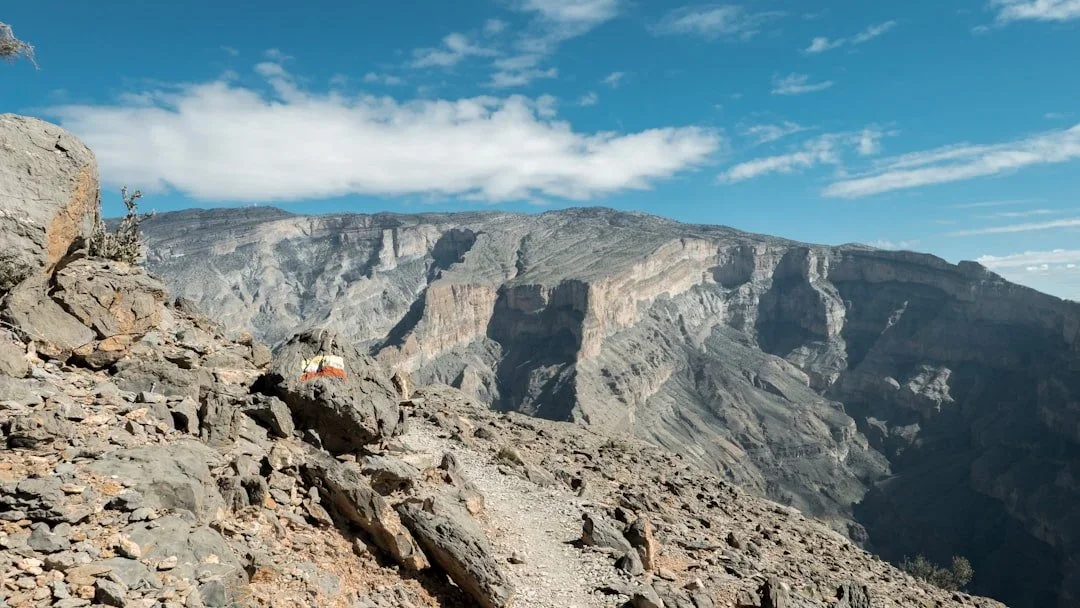
Jebel Shams: The Grand Canyon of Oman
At more than 3,000 metres above sea level, Jebel Shams is Oman’s highest mountain and home to breathtaking canyon views.
The famous Balcony Walk offers one of Oman’s most spectacular hiking experiences, overlooking the vast Wadi Ghul canyon.
-
![]()
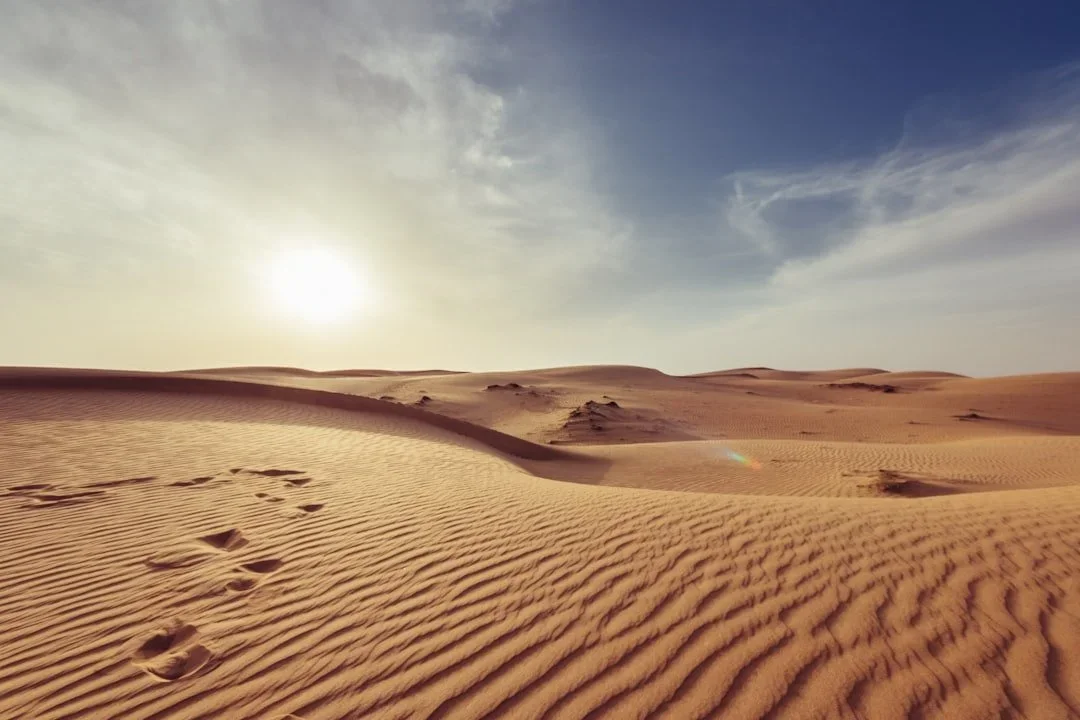
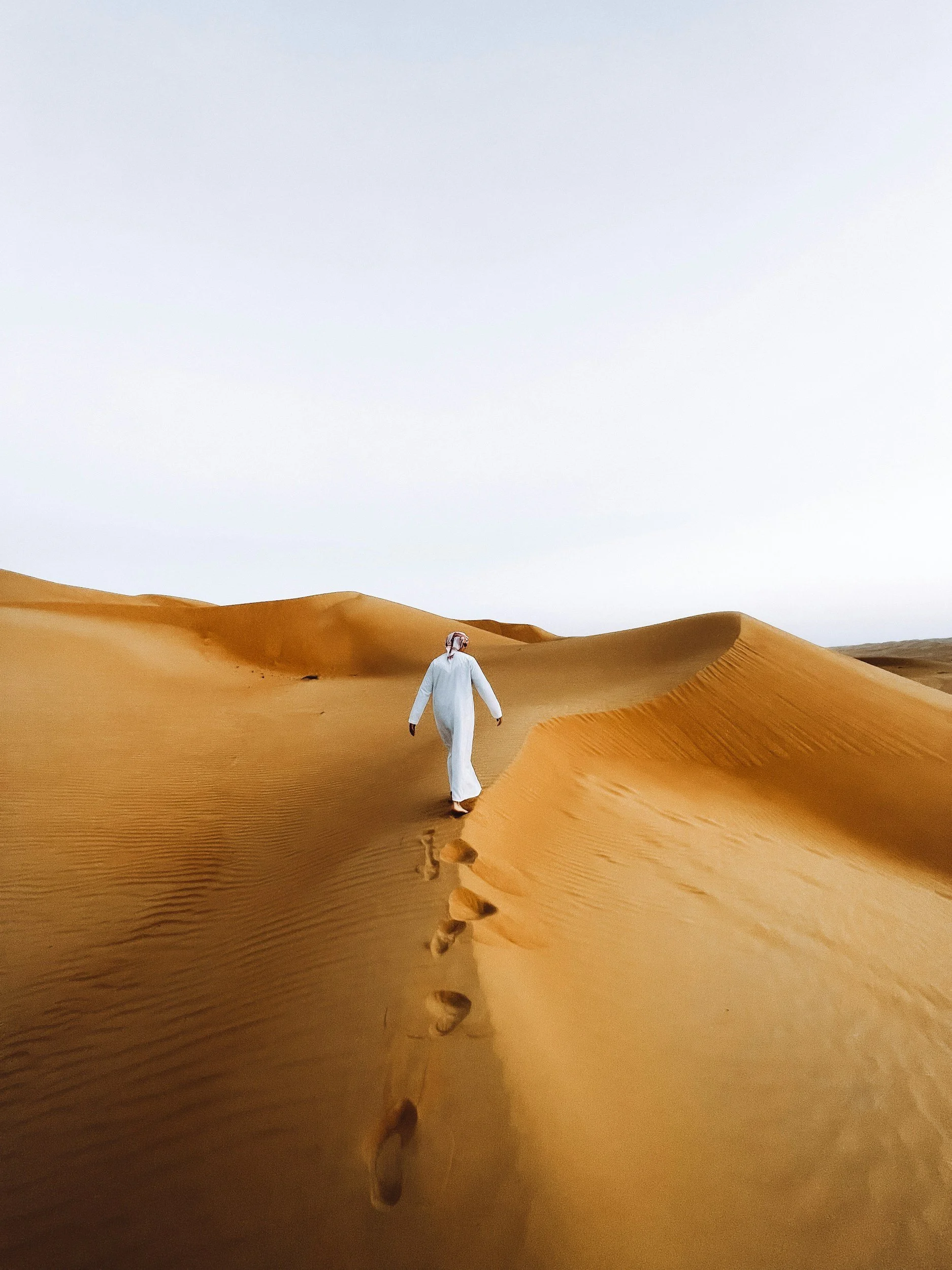
Wahiba Sands: Desert Adventures
A visit to Oman would not be complete without experiencing the desert.
In Wahiba Sands, travellers can:
Ride across golden dunes
Enjoy traditional Bedouin hospitality
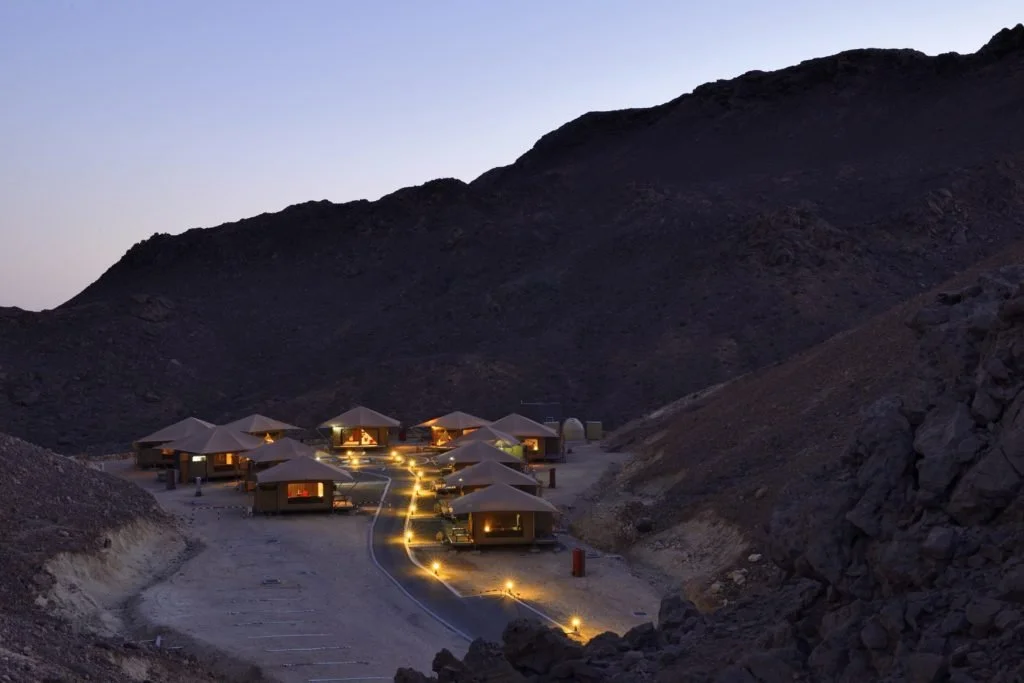
Stay in desert camps
Watch unforgettable sunsets
Sleep beneath a sky full of stars
The desert offers one of Oman’s most memorable experiences.
-
![]()
Wadi Shab: A Natural Wonder of Oman
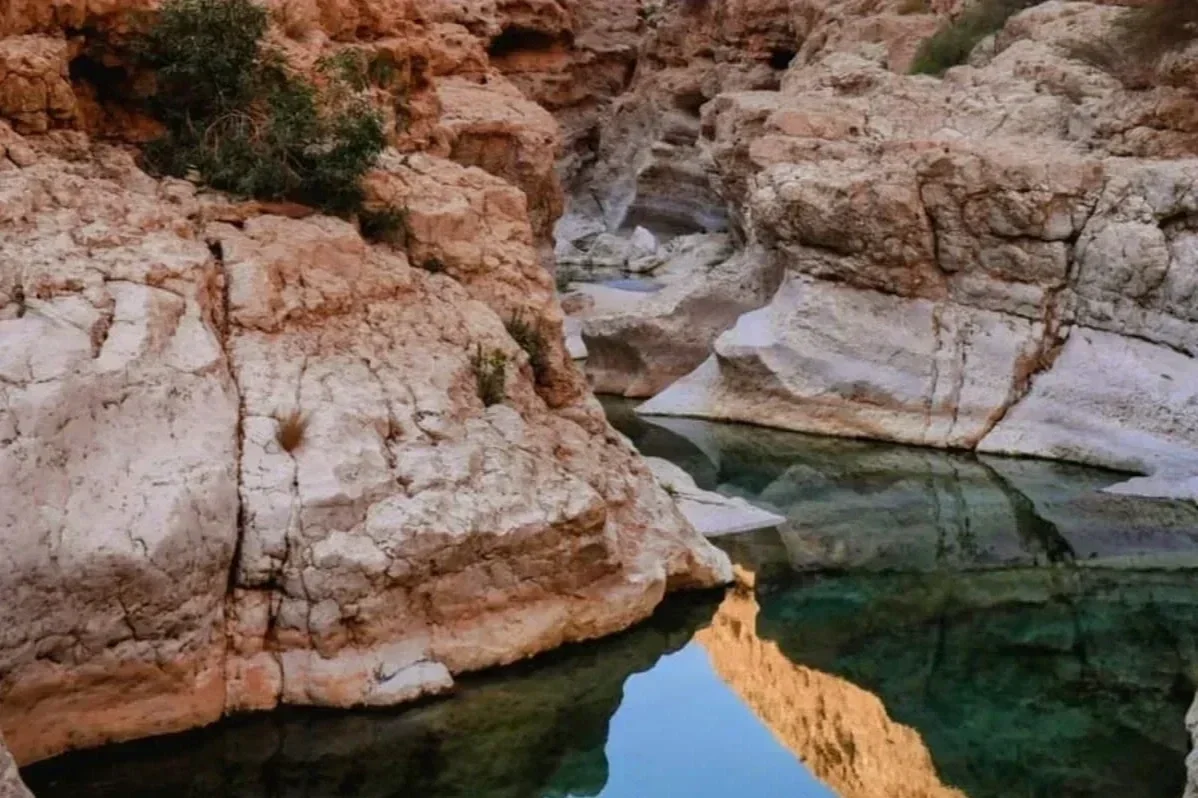
Hidden between stunning cliffs along Oman’s coastline, Wadi Shab is one of the country’s most famous natural attractions and a favourite among first-time visitors.
The journey itself is part of the experience. After a short boat ride across the entrance of the wadi, visitors follow a scenic walking trail surrounded by towering rock formations, palm trees, and pools of clear turquoise water.
The highlight is swimming through the refreshing natural pools surrounded by the canyon walls. A visit to Wadi Shab combines adventure, nature, and relaxation, making it one of Oman’s unforgettable experiences.
Travel tip: Visit early in the morning to avoid crowds and the midday heat, especially during warmer months.
-
![]()
Sur & Ras Al Jinz: Coastal Landscapes and Turtle Encounters
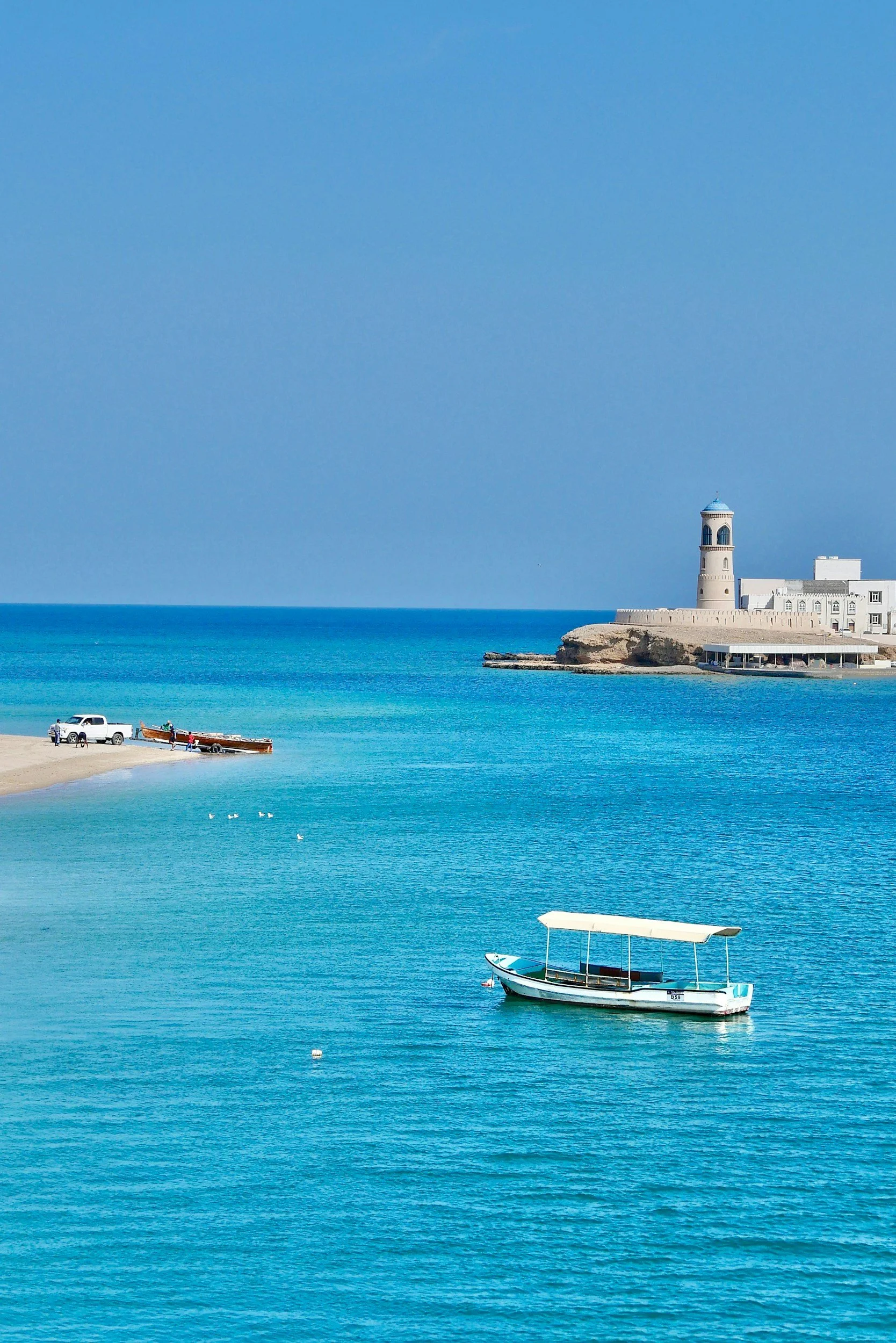
Located along Oman’s eastern coastline, the historic city of Sur offers a glimpse into Oman’s maritime heritage. Once a major centre for dhow building and Indian Ocean trade, Sur remains connected to the sea through its traditional shipyards and coastal culture.
Nearby, Ras Al Jinz is famous as one of the world’s most important nesting sites for green turtles. Visitors have the opportunity to observe turtles arriving on the beach during guided night tours.
The surrounding coastline also offers beautiful beaches, scenic viewpoints, and opportunities to explore traditional fishing villages.
-
![]()
Salalah: Oman’s Tropical Escape
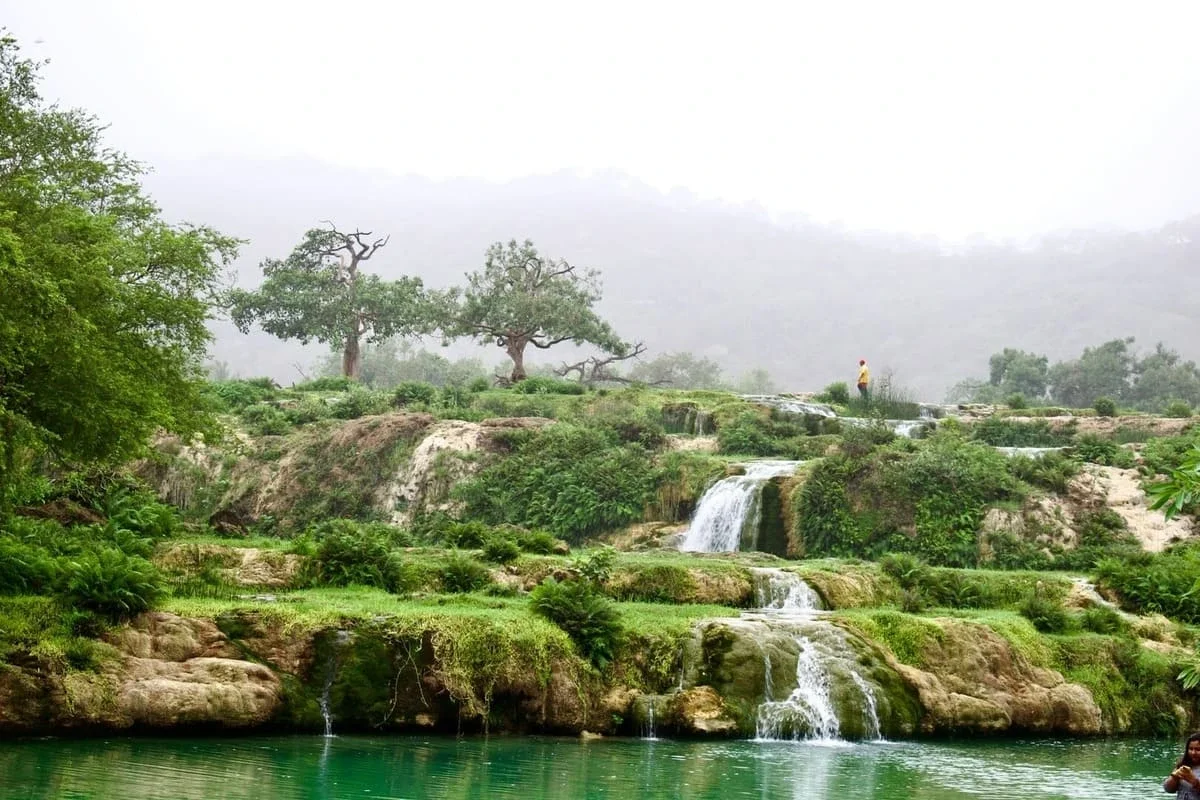
Located in southern Oman, Salalah feels completely different from the rest of the country. During the annual Khareef season, usually between June and September, the landscape transforms as monsoon rains turn the mountains green and create waterfalls, misty valleys, and lush scenery.
Highlights of Salalah include:
Wadi Darbat and its seasonal waterfalls
Mughsail Beach and its dramatic cliffs
Frankincense markets and historic sites
Coconut plantations
Ancient archaeological locations
Salalah is the heart of Oman’s frankincense region, where this valuable natural resin has been harvested for thousands of years.
Must-Try Experiences in Oman

Understanding Omani Culture & Local Etiquette
When visiting Oman, dressing modestly is a simple way to show respect for local culture while staying comfortable in the climate.
Lightweight, breathable clothing is ideal due to the warm weather, but it is recommended to cover shoulders and knees in public places such as markets, towns, and cultural sites. This applies to both men and women. Swimwear is perfectly acceptable at hotel pools, private beaches, and resorts, but should not be worn in public areas outside these spaces.
Women are not required to cover their hair in public, though a headscarf is needed when entering mosques. Men should avoid sleeveless tops in non-beach settings.
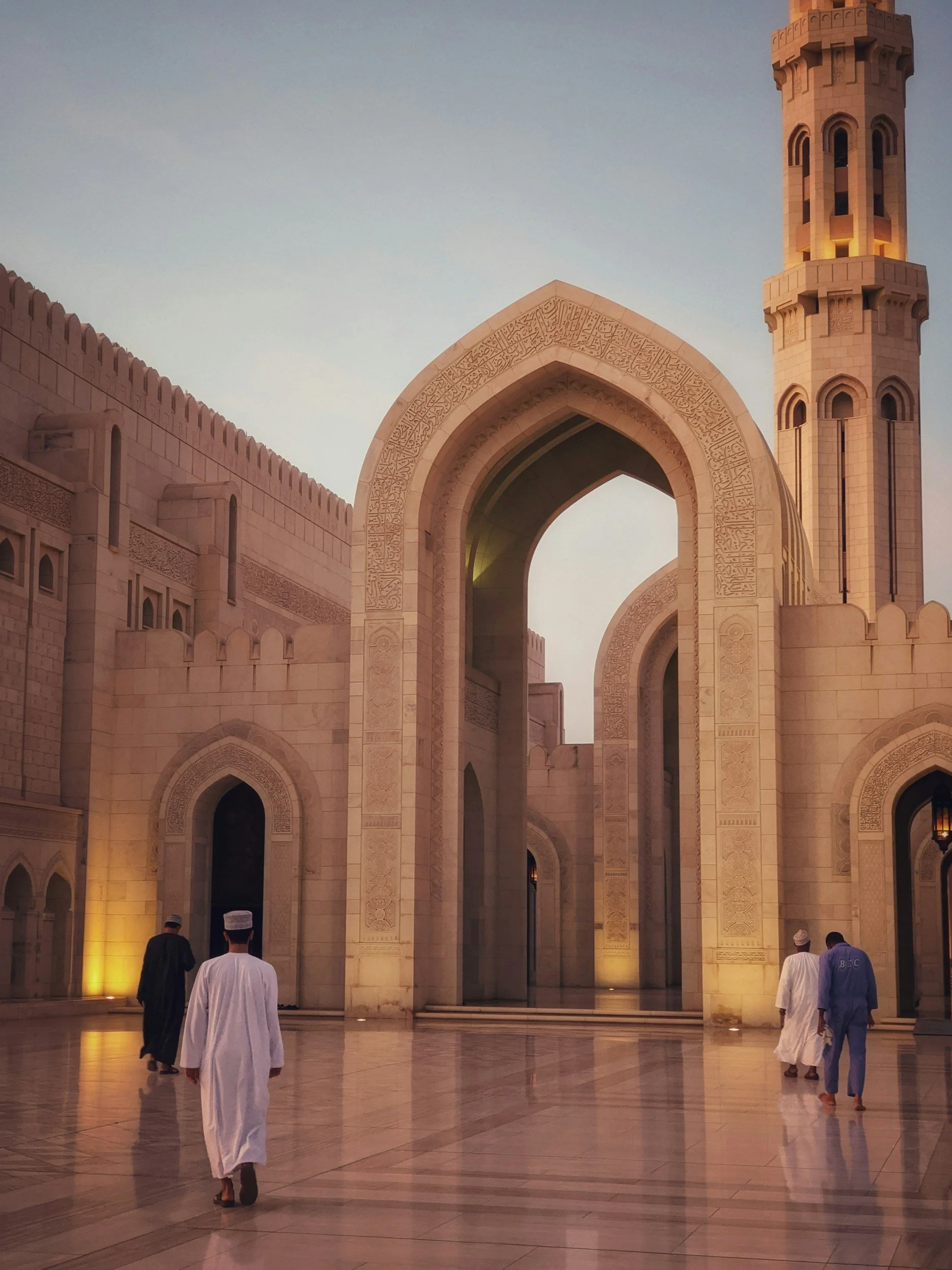
Mosque visits: When entering mosques, both men and women must dress more conservatively. Women should cover their hair, arms, and legs, and wear loose-fitting clothing. Men should wear long trousers and cover their shoulders. Shoes must be removed before entering prayer areas.
In more traditional or rural areas, dressing slightly more conservatively is appreciated.
Overall, the dress code in Oman is relaxed but respectful, allowing visitors to feel comfortable while aligning with local customs.
Greetings and Hospitality
Omanis are known for their hospitality. It is common to be offered Omani coffee (kahwa) and dates as a gesture of welcome.
When visiting local homes or cultural spaces, accepting this traditional hospitality is an important part of the experience.
-
Salam Alaikum (sa-LAAM a-LAY-koom) – Hello / Peace be upon you
Wa Alaikum Salam (wa a-LAY-koom sa-LAAM) – Response to greeting
Shukran (SHOOK-ran) – Thank you
Afwan (AF-wan) – You’re welcome / Excuse me
Min fadlak / Min fadlik (min FAD-lak / FAD-lik) – Please (male / female)
Naam / La (na-AM / la) – Yes / No
Kam hada? (kam HA-da?) – How much is this?
Ayna…? (AY-na) – Where is…?
Wayn al-hammam? (WAYN al-ha-MAM) – Where is the bathroom?
La afham (la af-HAM) – I don’t understand
Hal tatakallam al-ingleeziya? (hal ta-ta-KAL-lam al-in-GLEE-zi-ya?) – Do you speak English?
Ismi… (IS-mi) – My name is…
Ma’a salama (ma-a sa-LA-ma) – Goodbye
Visiting Mosques
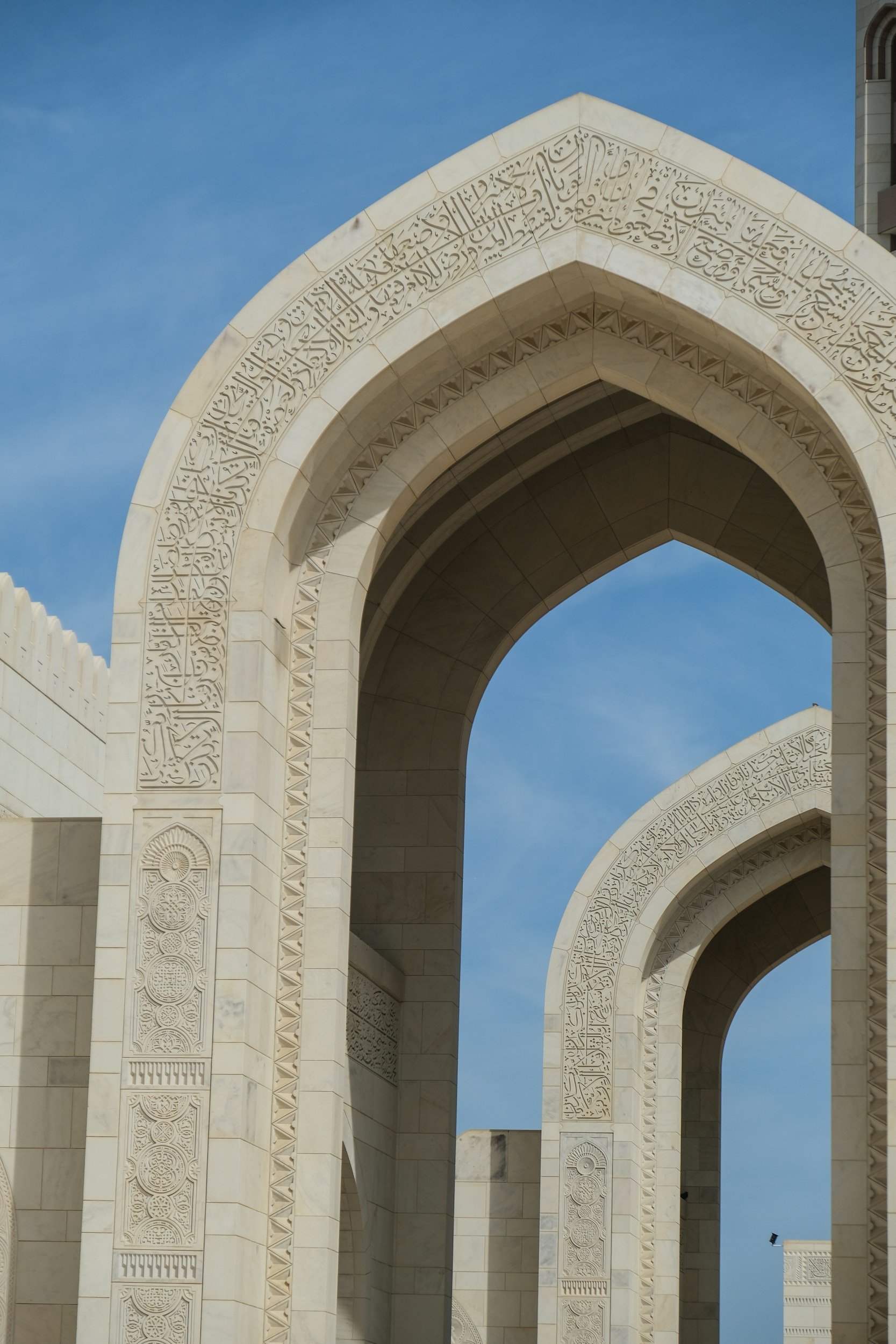
The Sultan Qaboos Grand Mosque in Muscat is open to non-Muslim visitors during designated visiting hours. Visitors should follow dress requirements and behave respectfully while exploring the mosque.
What To Eat in Oman
-
![]()
Shuwa
Shuwa is one of Oman’s most iconic traditional dishes, prepared by marinating lamb or goat in a blend of spices before slow-cooking it underground for many hours. Traditionally served during festive occasions and family gatherings, it is more than a meal—it is a celebration of Omani hospitality, heritage, and the importance of sharing food with family and community.
-
![Grilled fish fillet served with grilled squid, a side of cooked greens, a lemon wedge, and a small dish of green sauce.]()
Omani Lobster
Omani Lobster is a prized seafood delicacy found along Oman’s rich coastline, particularly in the waters of the Arabian Sea. Known for its sweet, tender meat and exceptional freshness, it is often grilled, steamed, or prepared with subtle local flavours that allow the quality of the seafood to shine. Popular in coastal regions and seafood restaurants, Omani lobster offers a taste of the country's maritime heritage and abundance.
-
![]()
Kahwa with Dates
Kahwa with Dates is a timeless symbol of Omani hospitality. Lightly spiced Arabic coffee, often infused with cardamom and saffron, is traditionally served alongside sweet dates as a welcoming gesture to guests. More than a refreshment, it represents generosity, warmth, and an important part of Omani social and cultural traditions.
-
![]()
Grilled Kingfish
Grilled Kingfish is one of Oman’s most popular seafood dishes, reflecting the country’s deep connection to the sea. Freshly caught kingfish is typically seasoned with local spices and grilled to highlight its natural flavour, creating a simple yet delicious meal that is widely enjoyed along Oman’s coastline and in traditional seafood restaurants.
-
![Two plates of traditional Mexican omani halwa]()
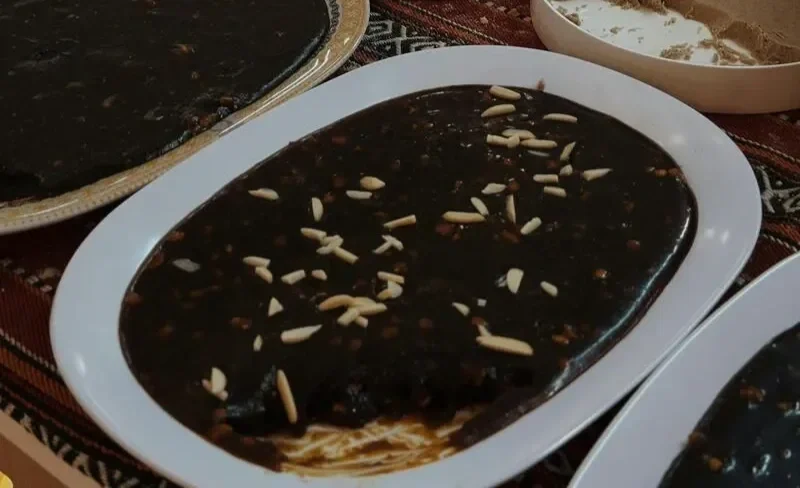
Omani Halwa
Omani Halwa is one of the country’s most iconic traditional sweets, crafted from a rich blend of sugar, rosewater, saffron, cardamom, and nuts. With its distinctive texture and aromatic flavour, it is often served alongside kahwa during celebrations, family gatherings, and as a gesture of hospitality. More than a dessert, Omani halwa is a cherished part of the country's cultural heritage and culinary identity.




What to Wear in Oman
-
Oman’s climate varies depending on the region and season, so packing appropriately is important.
Recommended Clothing
Bring:
Lightweight breathable clothing
Comfortable walking shoes
Sunglasses and a hat
Sunscreen
A light jacket for mountain areas and cooler evenings
For Outdoor Adventures
If you plan to explore mountains, wadis, or deserts, consider packing:
Hiking shoes
Swimwear
Quick-dry clothing
A reusable water bottle
Mountain areas such as Jebel Akhdar can become surprisingly cool at night, especially during winter.
Money, Connectivity & Practical Travel Tips
Currency
The official currency of Oman is the Omani Rial (OMR).
Credit and debit cards are widely accepted in hotels, restaurants, and larger shops. However, carrying some cash is recommended when visiting smaller villages, markets, or remote areas.
Internet and SIM Cards
Travellers can purchase local SIM cards at airports, shopping centres, and telecom branches.
Having mobile data is useful for:
Navigation
Booking activities
Finding restaurants
Staying connected while travelling
Useful Apps for Visitors
Consider downloading:
Google Maps – navigation and places
Waze – driving information
WhatsApp – communication
Google Translate – language assistance
Otaxi – local taxi service
iOverlander – road trip and camping information
Is Oman Safe for First-Time Visitors?
Oman is considered a very safe destination for travellers. The country has a relaxed atmosphere, low crime rates, and a strong culture of hospitality.
As with any destination, travellers should follow general precautions:
Stay hydrated during outdoor activities
Respect local customs
Follow safety instructions during adventure activities
Check weather conditions before hiking or desert trips
For families, couples, and solo travellers, Oman offers a comfortable and welcoming travel experience.
What to Pack for Your Oman Adventure
Before your trip, make sure you have:
✓ Comfortable walking shoes
✓ Sun protection
✓ Lightweight clothing
✓ A reusable water bottle
✓ Swimwear for beaches and wadis
✓ Camera or smartphone for photography
✓ Power adapter
✓ Travel insurance documents
If planning outdoor adventures:
✓ Hiking shoes
✓ Dry bag for wadi trips
✓ Small backpack
✓ Snacks and water
Common Mistakes First-Time Visitors Make
Trying to See Everything Too Quickly
Oman is larger than many visitors expect. Distances between destinations can be significant, so avoid planning too many stops in a short trip.
Visiting Only Muscat
While Muscat is a beautiful introduction to Oman, the country’s greatest treasures are often found outside the capital.
Underestimating the Weather
The desert, mountains, and coastline can have very different conditions. Always prepare according to your destination.
Not Experiencing Local Culture
Oman is not only about landscapes. Meeting locals, visiting markets, trying traditional food, and learning about heritage are what make the journey special.
-
Absolutely. Oman offers a rare combination of natural beauty, authentic culture, adventure, and hospitality.
-
Yes. Oman is an excellent family destination with beaches, nature experiences, cultural attractions, and safe environments.
-
For exploring beyond Muscat, renting a car is highly recommended as many attractions are spread across different regions.
Frequently Asked Questions
-
The most comfortable months are generally October to April, when temperatures are ideal for exploring.
-
Yes. Summer is a great time to visit Salalah during the Khareef season, while other regions are better suited for early mornings, evenings, or indoor activities.
Your Oman Adventure Begins Here
Oman is a destination that invites you to slow down and discover. From ancient forts and vibrant souqs to mountain villages, desert landscapes, and crystal-clear waters, every journey reveals a new story.
For first-time visitors, the greatest reward is not only seeing Oman’s famous landmarks — it is experiencing the warmth of its people, the beauty of its landscapes, and the traditions that continue to shape everyday life.
Whether you are seeking adventure, relaxation, culture, or a unique Arabian escape, Oman offers a journey unlike anywhere else.