
Al Baleed Archaeological Park
A UNESCO-listed archaeological landscape in Salalah where ancient port ruins meet coastal scenery and the story of Oman’s legendary frankincense trade comes to life
QUICK INFORMATION
📍 Location: Salalah, Dhofar Governorate, Oman
🕒 Suggested Visit Duration: 1.5–3 hours
🎟️ Entry: Ticketed
👨👩👧 Suitable For: History lovers, families, cultural travellers, photographers
👕 Dress Code: Modest, comfortable clothing
♿ Accessibility: Good pathways, partially accessible
📸 Photography: Allowed
🚗 Parking: Available on site
🌤️ Best Time to Visit: Morning or late afternoon
🏺 Type: Archaeological park / UNESCO World Heritage site
WHY VISIT
Explore the remains of an ancient port city that once played a central role in the frankincense trade along Oman’s southern coast.
Walk through archaeological ruins that reveal the foundations of old walls, mosques, and settlement structures.
Discover the story of Dhofar’s maritime and trading history, where goods once connected Arabia with Africa and Asia.
Visit the on-site museum for deeper insight into the region’s heritage, artefacts, and excavation findings.
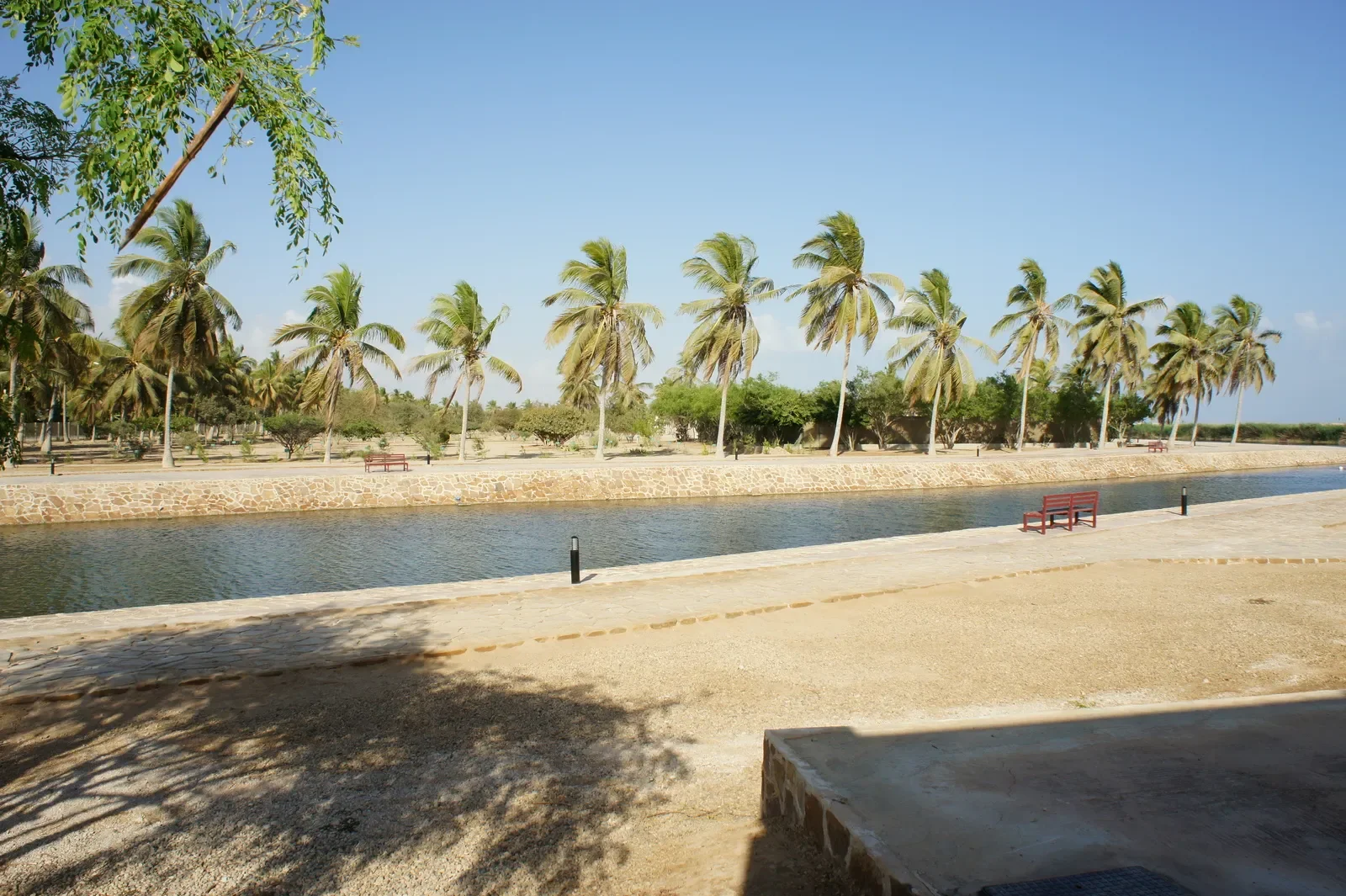
Enjoy a unique setting where history meets nature, with coastal views and open landscaped grounds.
Learn about the UNESCO-listed Land of Frankincense and the significance of Al Baleed in ancient global trade routes.
Experience one of Salalah’s most important cultural sites in a calm, walkable environment.
MORE INFORMATION
-
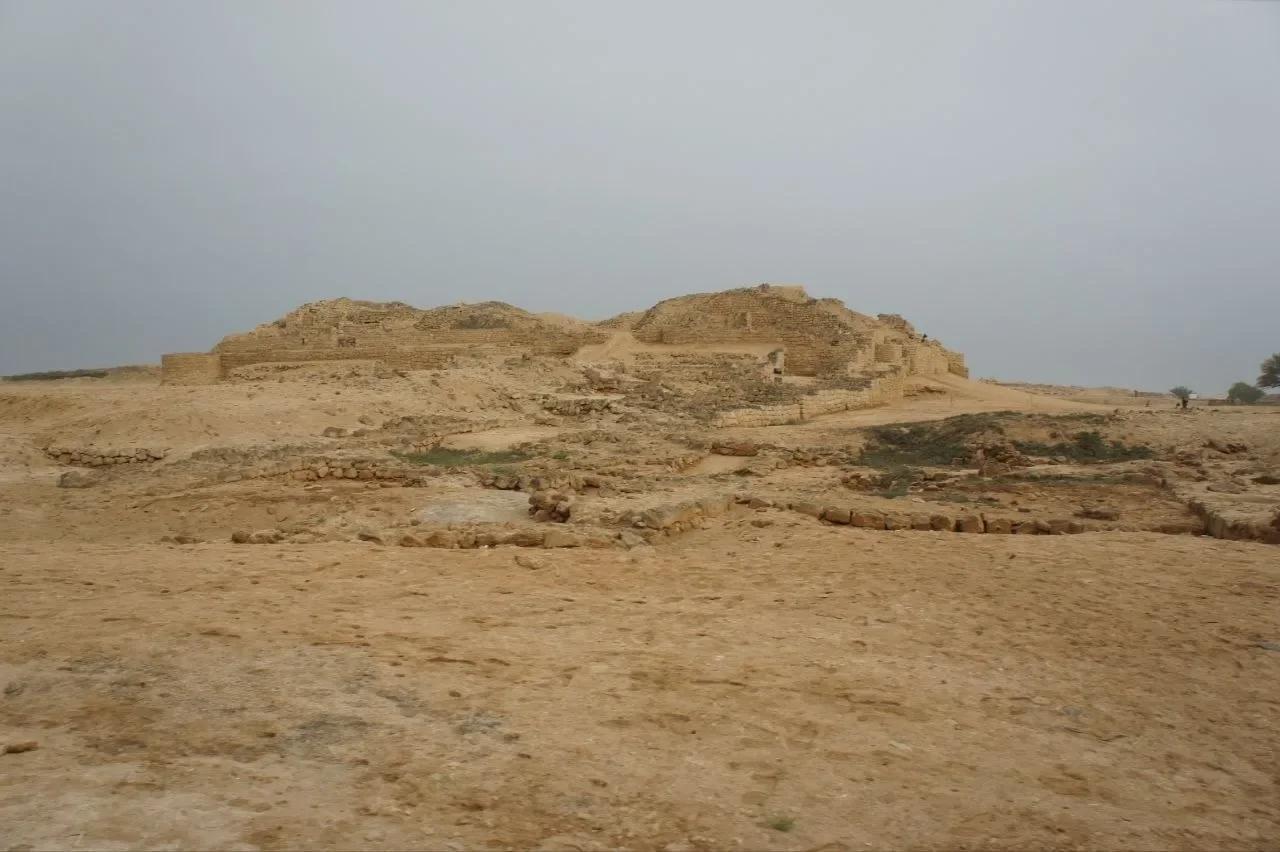
Al Baleed Archaeological Park is one of the most important historical sites in southern Oman, located along the coast of Salalah. Once a thriving medieval port city known as Zafar, it played a central role in the global frankincense trade, connecting Oman with Africa, India, and beyond.
Today, the site preserves the ruins of ancient walls, mosques, and urban structures set within a beautifully landscaped archaeological park. Walking through the site offers a rare opportunity to see how a once-bustling trading city was structured, with its harbour access, fortified defenses, and organised settlement layout.
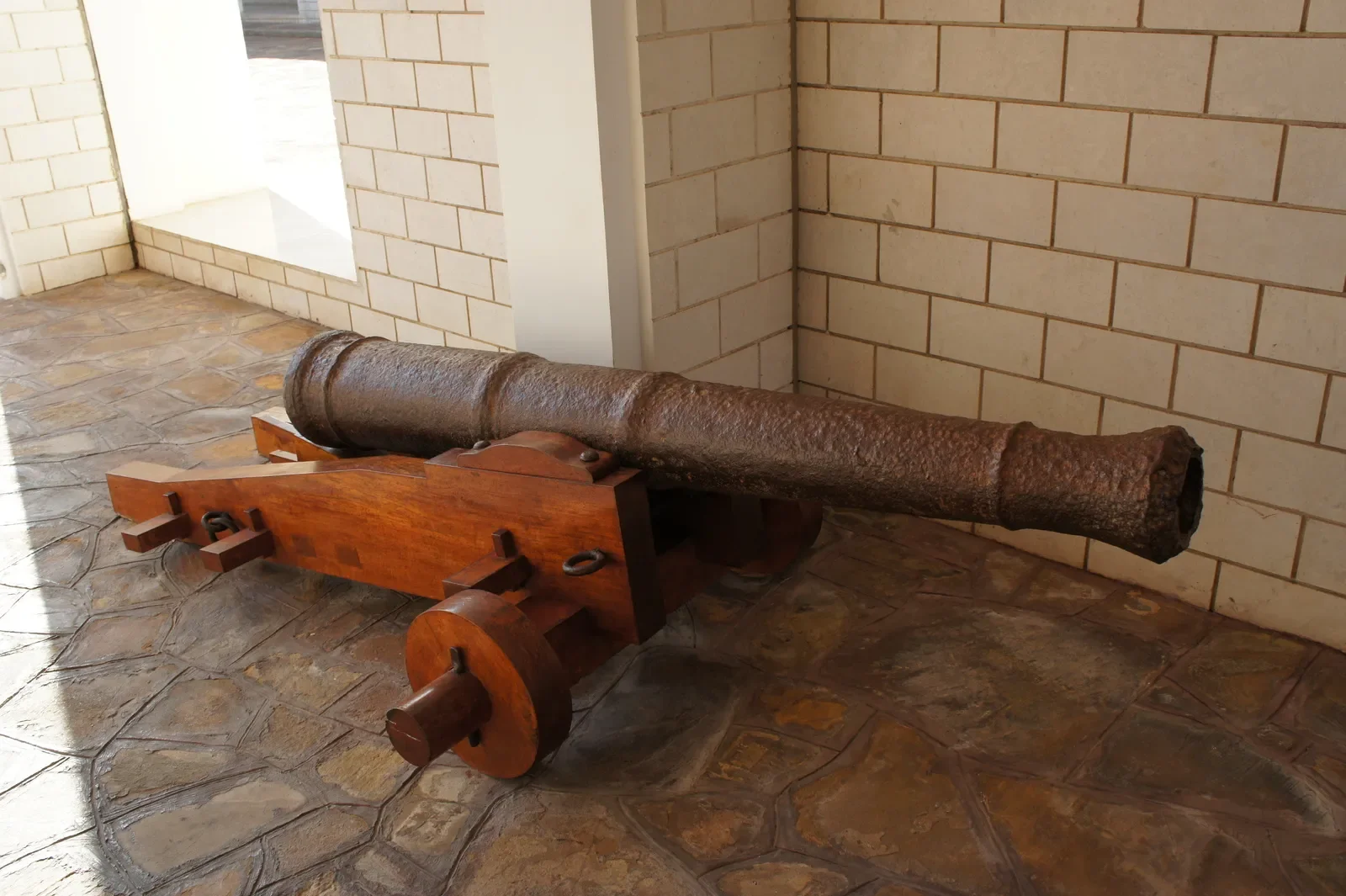
Adjacent to the ruins is the modern Museum of the Frankincense Land, which helps bring the site’s history to life with artefacts, maritime displays, and reconstructions.
-
Ancient City Ruins - Remains of walls, buildings, and mosque structures reveal the layout of the historic port city.
Frankincense Trade - The site played a key role in exporting frankincense to ancient civilizations worldwide.
Coastal Setting - Located near the sea, highlighting its importance as a maritime trading hub.
Museum of the Frankincense Land - A nearby museum complements the site with artefacts and interactive exhibits.
UNESCO World Heritage Value - Part of the “Land of Frankincense” cultural landscape recognised for global historical importance.
-
The best time to visit is early morning or late afternoon when temperatures are cooler and the lighting enhances the archaeological scenery. The winter season (October–March) is ideal for exploring outdoor heritage sites in Dhofar.
-
Allow time to visit both the park and museum
Wear sun protection as the site is open-air
Bring water, especially in warmer months
Combine with other Dhofar heritage sites for a full-day itinerary
📍 LOCATION
Governorate: Dhofar Governorate
Area: Al Baleed, Salalah
Distance from Salalah: ~5 km (around 10 minutes drive)
